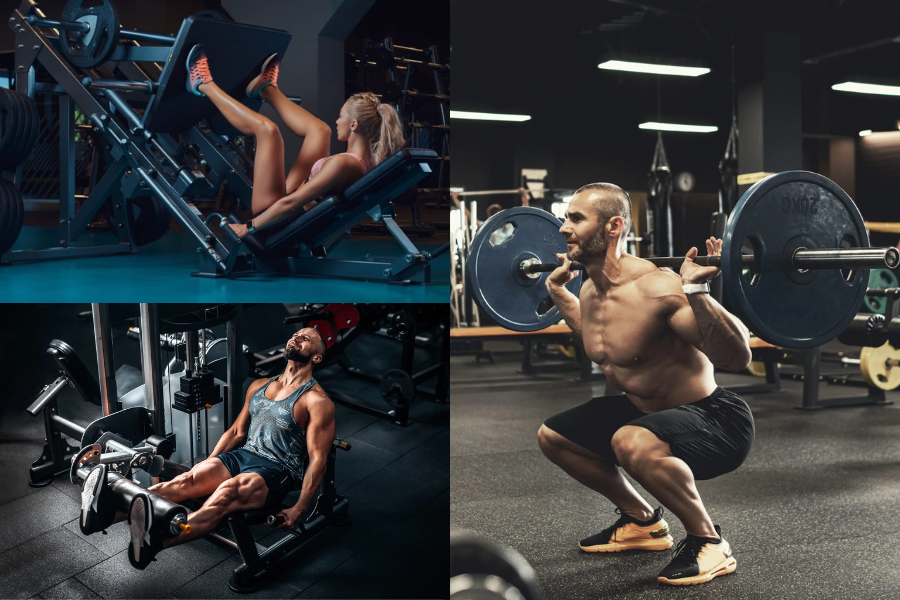
Understand your quadriceps
Your quadriceps are a set of four muscles on the front of your thighs that play a key role in leg extension and overall lower-body stability. When these muscles are well-developed, they can improve your balance, enhance athletic performance, and help you move around more comfortably in daily life. Focusing on quad isolation exercises is especially useful when you want to build definition and strength without unduly stressing your other muscle groups.
Though the quadriceps work in tandem with your hamstrings, glutes, and hips during many compound movements, isolating them can help address muscular imbalances or aesthetic goals. You might notice more sculpted legs, better knee support, and less fatigue when walking or running. A strong set of quads can also reduce your risk of common knee injuries, allowing you to stay active for longer.
Warm up for safety
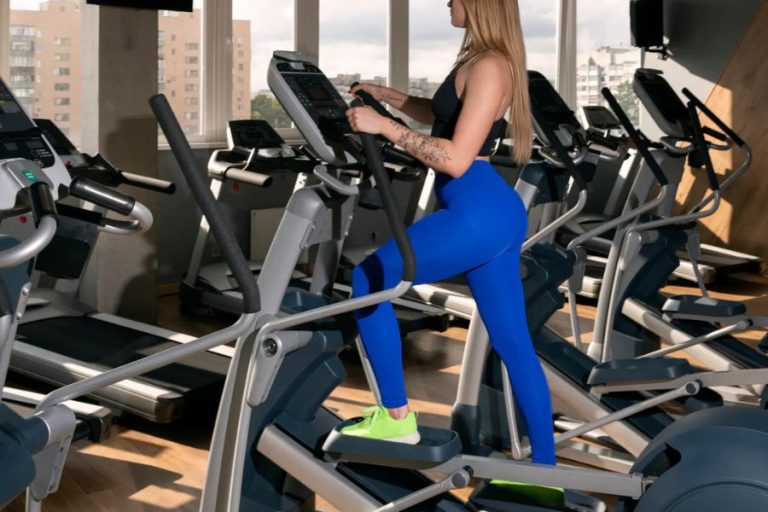
Working your quadriceps effectively starts with a proper warm-up. Light cardio, such as brisk walking or cycling for five minutes, raises your heart rate and gradually increases blood flow to your leg muscles. You can then perform dynamic stretches like leg swings, hip circles, and gentle bodyweight squats to further prepare your quads for targeted isolation exercises.
A routine that includes dynamic movements can help you maintain greater flexibility over time. It also prevents stiffness that might interfere with proper form. By taking a few extra minutes to loosen up, you reduce the likelihood of injury and get more out of your workout.
Focus on quad isolation exercises
Isolation exercises target a single muscle group more directly than compound lifts. When it comes to the quads, you will likely feel a deeper burn and notice faster improvements in muscle tone by placing a strong emphasis on these moves. Below is a short comparison of four popular quad isolation exercises, along with pointers to help you avoid common form mistakes.
| Exercise | How to do it | Common mistakes |
|---|---|---|
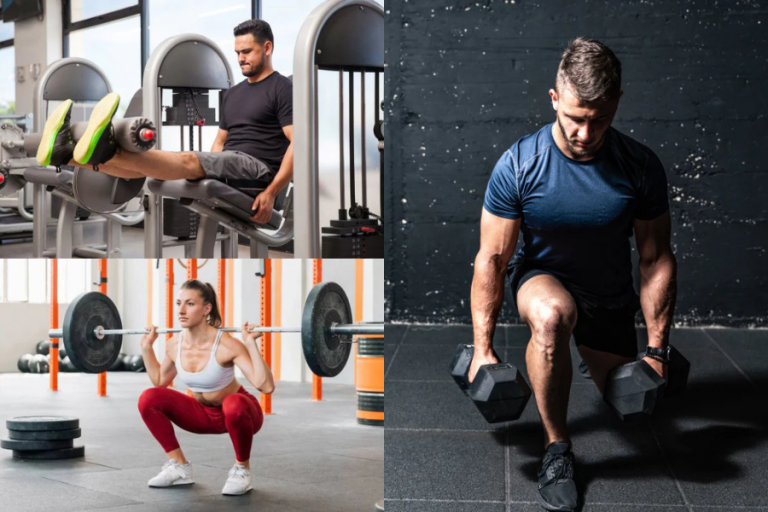
| Leg extension | Sit on a leg extension machine, raise and lower the padded bar slowly, keeping tension on your quads | Swinging your legs or using momentum |
| Sissy squat | Lean backward from a squat position, knees forward, then push back up using only your leg strength | Arching your back or letting the knees collapse inward |
| Bulgarian split squat | Place one foot behind you on a bench, then lower into a single-leg squat, focusing on your front quad | Relying too much on upper body or rushing each repetition |
| Step-up | Step onto a bench or sturdy box, driving through your quad to lift your body, then step back down | Pushing off the back foot or bouncing into the next rep |
Each exercise emphasizes the front of your thighs and is best performed slowly to really challenge the muscle. Begin with bodyweight or light resistance, and gradually increase the load as you gain confidence in your form. If you are just starting out, perform one or two of these exercises in a session, giving your quads time to adapt before adding more.
Fine-tune your form
Proper form ensures that your quads take on the bulk of the work, which helps you make the most of each repetition. For leg extensions, sit upright and avoid swinging your legs. When leaning into a sissy squat, keep your hips forward and your core engaged so you do not compromise your back.
Throughout any quad isolation movement, remember to breathe steadily. Holding your breath can sometimes cause unnecessary strain on your lower back or reduce the amount of oxygen getting to your muscles. Keep your abdomen tight, shoulders back, and posture upright. If you start to feel wobbly, slow down and focus on smaller ranges of motion first.
Staying mindful of your form translates directly into better muscle activation. Emphasize quality over quantity. In other words, performing eight slow and controlled repetitions is more beneficial than racing through 15 sloppy ones. This approach also reduces stress on your joints, helping you avoid common knee or hip issues that can creep up when your technique slips.
Diversify your routine
While quad isolation exercises are great for building definition, you will see even better results by blending them with other lower-body moves. Squats and lunges use multiple muscle groups and teach your body to work as a unit. For instance, pairing leg extensions with hamstring curls in the same session encourages balanced development and minimizes the chance of one muscle overpowering another.
You might also enjoy cross-training or adding low-impact exercises such as swimming or cycling. These activities support your cardio health and keep your legs fresh for the next strength workout. They also engage your quads differently, helping you avoid workout plateaus. Switching things up every few weeks keeps both your body and mind challenged, making it easier to stick to a regular fitness routine.
Track progress and stay safe
Progress does not always come in giant leaps. Pay attention to how your legs feel during day-to-day activities and note any improvements in stamina or ease of movement. If you like monitoring numbers, you can track your leg measurements or the amount of weight you can lift. Watching these figures steadily climb can keep you motivated.
Remember, consistent rest is as important to your quads as dedicated exercise. Give yourself at least one to two rest days per week so your muscles can repair and grow. This downtime also reduces the risk of overuse injuries. If you experience persistent pain, consider consulting a medical professional for personalized guidance.
As you commit to your quad isolation exercises, celebrate every bit of progress. Whether you are mastering leg extensions at a heavier weight or gliding through steep hikes with more confidence, each milestone reflects the effort you put in. With a well-rounded approach that includes proper form, varied movements, and sufficient rest, you will see your legs transform and feel stronger than ever before.
Give these exercises a try during your next lower-body session, and watch how quickly you start noticing greater tone, shape, and stability. Your quads might just become your new favorite muscles to work on. Enjoy the journey and keep moving forward!
About the Author