Glute strength training does more than shape your backside. When you build strong glutes, you support your hips and spine, improve your balance, and add power to everything from walking up stairs to heavy lifts in the gym. Because your glutes are the largest muscle group in your body, they also play a big role in fat loss and overall strength, as highlighted by the International Sports Sciences Association.
Below, you will learn how glute strength training works, why it matters, and how to build an effective routine that targets all three glute muscles safely and efficiently.
Understand your glute muscles
Before you pick up a weight, it helps to know what you are actually training. Your glutes are not just one muscle. They are a team of three that work together to keep you upright and moving smoothly.
The three main glute muscles
The research from ISSA and other sources explains that your gluteal muscles include:
- Gluteus maximus: The largest and most powerful muscle in your body. It drives hip extension, which you use when you stand up, climb stairs, jump, or push through a heavy hip thrust. It also provides much of the visible shape of your butt.
- Gluteus medius: Sits on the outside of your hip. It handles hip abduction and internal rotation. In everyday life, it stabilizes your pelvis when you stand on one leg or shift weight from side to side.
- Gluteus minimus: A smaller muscle that sits under the gluteus medius. It also assists with hip abduction and internal rotation and plays a quiet but crucial role in hip stability.
According to Planet Fitness, these three muscles together support posture, balance, and lower body movement, which makes targeted glute exercises essential for daily function and sports performance.
Why glute strength training matters
When your glutes are weak, other muscles step in to do work they were not designed to handle. Over time, that can show up as discomfort or pain in your lower back, hips, knees, or even ankles.
Benefits of stronger glutes
The research from ISSA, Planet Fitness, and various medical sources points to several key benefits when you prioritize glute strength training:
- Better posture and spinal support. Strong glutes help stabilize your pelvis and reduce strain on your lower back. Methodist Physicians Clinic notes that glute strength can distribute loads more evenly across your trunk and legs, which may decrease back pain.
- Improved balance and joint stability. The gluteus medius and minimus help control hip movement and keep your pelvis level. This can reduce knee pain that comes from poor tracking or inward collapse of the knees during walking, running, or squatting.
- More power and performance. Activities that rely on explosive hip extension, such as sprinting, jumping, and heavy lifting, depend heavily on your gluteus maximus. Strong glutes translate into more power and efficiency, as described by Methodist Physicians Clinic.
- Support for weight loss goals. Since the gluteus maximus is your largest muscle, adding lean mass there increases the number of calories you burn at rest. ISSA explains that this makes glute strength training a valuable tool if you are working toward fat loss.
In short, you are not just training for looks. You are building a foundation that supports the rest of your body.
Common mistakes in glute workouts
If you have been doing squats and lunges for months without seeing much progress, you might not need more effort. You might simply need better strategy. Several common mistakes hold people back, especially when they train glutes on their own.
Skipping proper glute activation
One of the biggest issues is jumping straight into heavy lifts without waking up the glutes first. When this happens, your quads and lower back often take over.
To avoid this, use a short warm up focused on glute activation. The research mentions drills such as band walks, clamshells, and small, controlled pulses. These prime your muscles so your glutes are ready to work when you start heavier sets.
Not training often enough
Glutes respond well to consistent, repeated stimulus. Training them once a week is usually not enough for noticeable strength or growth. Planet Fitness recommends working the glutes two to three times per week with at least one day of rest between sessions so the muscles can recover and grow.
Poor form and limited range of motion
Half reps and rushed movements reduce glute engagement and increase your risk of discomfort or injury. Shallow squats and partial hip thrusts, for example, shift more work to your quads and lower back.
Instead, focus on full, controlled motion. Keep tension in the glutes from start to finish, and use loads that let you maintain technique rather than ego lifting.
Ignoring progressive overload
If you have used the same weight, reps, and tempo for months, your body has likely adapted. Skipping progressive overload leads to stalled progress. You can increase the challenge by adding weight, lowering more slowly, adding pauses, or increasing total sets over time. ISSA emphasizes progression as a key to ongoing strength and muscle gains.
Going through the motions
Another subtle mistake is moving without intention. When you do not focus on what you are trying to work, other muscles step in. Building a strong mind muscle connection helps you feel your glutes engaging on every repetition. Slowing down, holding at peak contraction, and visualizing the muscles working can make a noticeable difference.
Best exercises for glute strength
An effective glute strength training routine targets all three glute muscles through a mix of compound and accessory exercises. The sources you reviewed highlight a consistent group of movements that work well for most people.
Core compound movements
Start by mastering a few big lifts that challenge multiple joints and muscle groups:
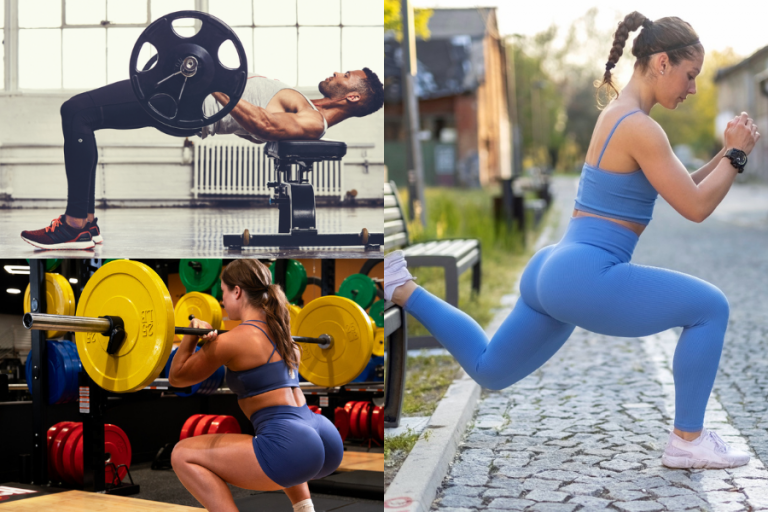
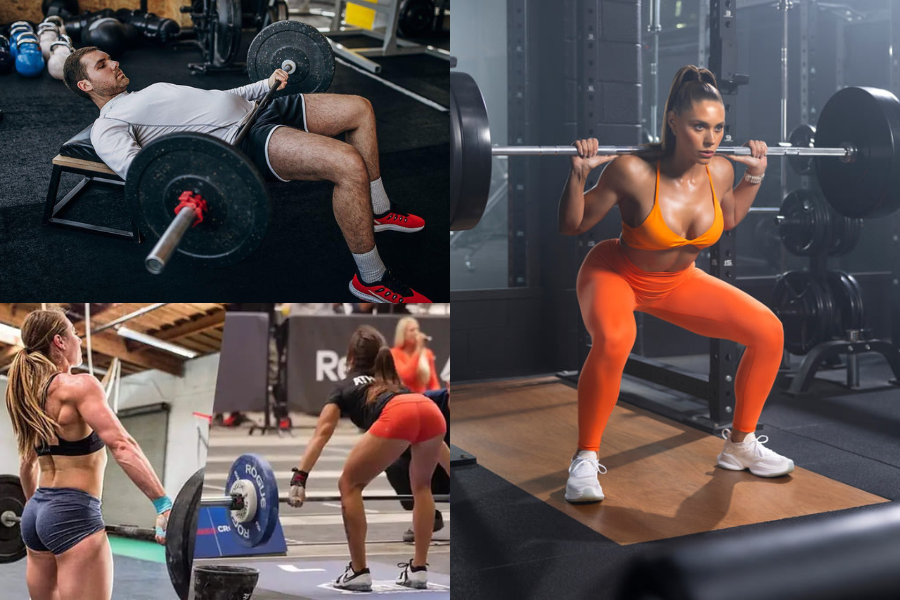
- Hip thrusts. Research notes that hip thrusts produce high and consistent glute activation throughout the movement, with peak contraction at full hip extension. This makes them one of the best exercises for glute strength and growth.
- Squats. Squats train the glutes, quads, and hamstrings together. Deep squats with good form can effectively recruit all three glute muscles, especially when your toes are slightly raised to engage the posterior chain.
- Romanian deadlifts (RDLs). These target your glutes and hamstrings while reinforcing hip hinge mechanics that carry over to daily life and sports.
- Bulgarian split squats. This single leg exercise challenges your glutes, quads, and stabilizers. It is especially useful for addressing side to side imbalances.
ISSA recommends combining these compound lifts in one session to build a solid foundation.
Targeted accessory exercises
To fully develop your glutes and address smaller stabilizing muscles, add a few accessory movements after your main lifts. Planet Fitness and other sources highlight these options:
- Glute bridges. Great for beginners and as a warm up. You can make them harder by adding a weight across your hips.
- Lunges and step ups. These single leg patterns train balance and glute strength in a functional way.
- Donkey kicks and fire hydrants. These help isolate and strengthen the gluteus maximus and medius without heavy loading.
- Clamshells and lateral band walks. These hit the gluteus medius and minimus to reinforce hip stability.
- Cable kickbacks or machine hip extensions. Helpful if you train in a gym and want to add isolated glute work.
- Side lunges and frog pumps. These add variety and challenge different angles of hip movement.
Gym machines like the seated leg press and seated abduction machine can also assist glute strength when used with proper form and gradually increased resistance.
How to structure a glute workout
You do not need an advanced plan to see results. A simple, repeatable structure is enough to build strength as long as you are consistent and intentional.
Sample glute strength training session
Use this as a starting point and adjust based on your current level:
- Warm up and activation
Spend 5 to 10 minutes on light cardio, such as walking or cycling, then do 1 to 2 sets of:
-
Bodyweight glute bridges
-
Lateral band walks
-
Clamshells
Focus on feeling your glutes switch on, not just finishing the reps.
- Main strength work
Choose 2 compound lifts:
-
Hip thrusts, 3 sets of 8 to 12 reps
-
Squats or Bulgarian split squats, 3 sets of 8 to 12 reps
Rest 60 to 90 seconds between sets. Increase weight when you can complete all sets at the top of your rep range with solid form.
- Accessory movements
Pick 2 to 3 exercises targeting different angles:
- Romanian deadlifts, 3 sets of 10 reps
- Lateral band walks, 2 sets of 15 to 20 steps each way
- Fire hydrants or donkey kicks, 2 to 3 sets of 12 to 15 reps per side
- Cool down and stretch
Finish with light stretching for your hips, hamstrings, and lower back. This supports flexibility and may help reduce muscle tension, which Planet Fitness notes is important alongside strength work.
According to both ISSA and Planet Fitness, training your glutes two to three times per week with at least one rest day between sessions gives your muscles enough stimulus and recovery time to grow.
Aim to leave each workout feeling challenged but not wrecked. Consistency and progression matter more than a single exhausting session.
Form tips for safer, stronger glutes
Even a well designed plan can fall short if your form is off. Attention to a few key details will help you get more from every rep.
Dial in your hip thrust technique
Because hip thrusts offer such strong glute activation, it is worth getting them right. The research suggests:
- Position your upper back on a bench, with your feet flat on the floor.
- Bring your heels slightly closer to your butt than your knees. This shortens the hamstrings and encourages more work from the glutes.
- Brace your core and keep your ribs down to avoid arching into your lower back.
- Drive through your heels, squeeze your glutes at the top, and pause briefly at full extension before lowering with control.
General cues to keep in mind
Across most glute exercises, these simple cues help:
- Keep your knees tracking in line with your toes, do not let them cave in.
- Maintain a neutral spine, avoid excessive rounding or arching.
- Move through a full, controlled range of motion rather than bouncing or rushing.
- Choose weights that let you feel the target muscle more than your joints.
If you are struggling with pain or suspect significant weakness, working with a physiotherapist or qualified trainer for a personalized assessment and exercise plan can be very helpful. Some clinics offer both virtual and in person support to guide your form and progression.
Putting your glute plan into action
Glute strength training is not about perfection or complex routines. It is about showing up regularly, using good technique, and gradually asking a bit more of your muscles over time.
To get started, you can:
- Pick two or three of the exercises above that feel manageable.
- Schedule two glute focused sessions per week to begin, leaving a day of rest between them.
- Track your weights, reps, and how each workout feels so you can see progress and know when to increase the challenge.
With steady practice, you will not just see changes in your shape. You will feel more stable, more powerful, and more comfortable moving through your day.
About the Author