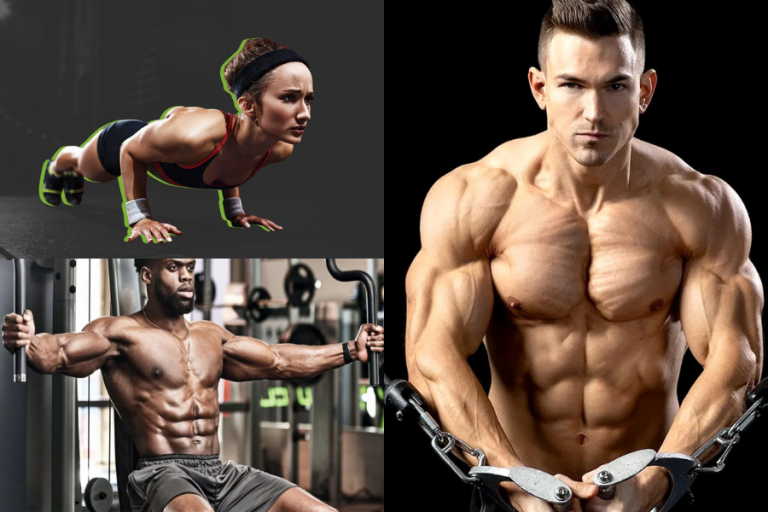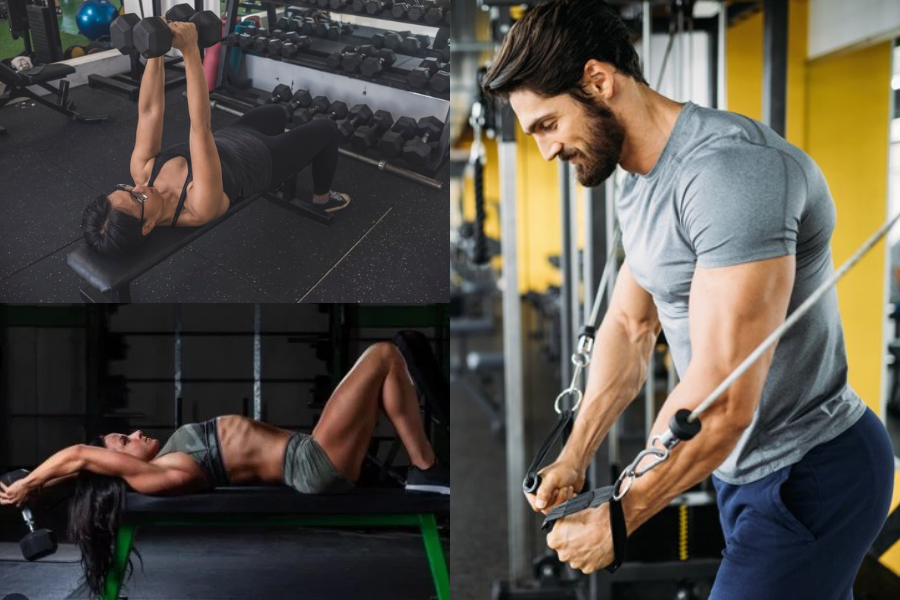
A well planned chest workout routine does more than build bigger pecs. It supports better posture, improves everyday pushing strength, and helps you feel more confident in your upper body. With the right mix of exercises and smart programming, you can train your chest effectively whether you are in a full gym or working with a pair of dumbbells at home.
Below, you will find a clear, practical guide to structuring your chest workouts, choosing exercises, and progressing safely over time.
Understand your chest muscles
Before you pick up a weight, it helps to know what you are actually training. Your main chest muscles are the pectoralis major and pectoralis minor. The pec major is the large, fan-shaped muscle across the front of your chest. The smaller pec minor sits underneath and assists with shoulder movement.
These muscles are involved in pushing, pulling, and rotating your arms. Any time you push a door open, press yourself off the floor, or lift something in front of you, your chest is working. Training your chest also burns a good amount of energy, which can support fat loss and overall toning when combined with sensible nutrition.
A solid chest workout routine will target the upper, middle, and lower portions of your pecs, along with the supporting muscles in your shoulders and triceps.
Key benefits of a chest workout routine
Consistent chest training is about more than looks. When you follow a well rounded chest workout routine, you can expect several important benefits.
You develop balanced upper body strength, because chest exercises usually work your shoulders and triceps at the same time. This improves your ability to push, press, and stabilize loads, from carrying groceries to doing sports.
You also reduce muscle imbalances. Many dumbbell chest exercises let you train each arm independently. If one side is weaker or smaller, unilateral work helps you even things out and promote better symmetry.
Another advantage is functional strength. Dumbbells and bodyweight moves allow a more natural range of motion than some machines. You can move your hands and arms in a way that fits your joints, which improves coordination, flexibility, and control. This can lower your risk of shoulder discomfort during everyday tasks.
Finally, training your chest regularly can help your posture. Stronger pecs, combined with back and shoulder work, make it easier to keep your shoulders stable and your upper body aligned rather than slouched forward.
How often to train your chest
For most people, training your chest twice per week is a good starting point. This gives you enough frequency to see progress while still allowing time to recover and grow.
You can structure your week in a few different ways, depending on the rest of your training:
- Upper and lower body split, where you train chest on both upper days
- Push, pull, legs split, where you hit chest on both push days
- Full body workouts, where you include 1 or 2 chest exercises in each session
With consistent effort, you can usually feel improvements in strength within 3 to 4 weeks. Visible changes in muscle size and definition tend to appear after about 8 to 12 weeks of sticking to your chest workout routine.
How many sets, reps, and exercises to do
You do not need a long list of movements to get good results. A focused session built around a small selection of exercises is often more effective.
Aim for 2 to 4 chest exercises per workout. Start with compound lifts that use more than one joint, like presses and dips. These allow you to handle more weight and build a strength foundation. Follow up with 1 or 2 isolation movements that focus on specific parts of the chest, such as fly variations.
For most people, 2 to 5 sets per exercise works well. Your rep range depends on your goal:
- For strength, use heavier weights for about 5 to 10 reps per set
- For muscle growth, use moderate weights for about 10 to 30 reps per set
Within those ranges, choose a weight that is challenging but still lets you keep good form. On your final set, you should feel like you have 1 or 2 reps left in the tank. If you could easily do more, the weight is too light for your goal.
Warm up properly before chest day
A good warm up prepares your muscles and joints, increases blood flow, and can improve your performance. It also reduces your risk of injury.
Plan about 5 to 10 minutes for your warm up:
- Start with 5 minutes of light cardio, such as brisk walking, cycling, or the elliptical.
- Add dynamic upper body movements, like arm circles, band pull-aparts, and shoulder rolls.
- Do a few ramp up sets of your first chest exercise, using lighter weights to rehearse your form before you move into working sets.
You might be tempted to skip this when you are short on time, but even a short, focused warm up pays off in stronger, safer sets.
Best dumbbell chest exercises to include
If you have access to dumbbells, you have almost everything you need for a strong, well defined chest. Dumbbell work is convenient, easy to set up, and always available in most gyms, even when the barbell bench is taken.
Here are ten of the best chest exercises with dumbbells you can use to build your routine:
- Dumbbell bench press
- Incline dumbbell press
- Decline dumbbell press
- Neutral grip dumbbell press
- Chest squeeze press
- Dumbbell floor press
- Dumbbell reverse grip press
- Flat chest fly
- Incline dumbbell fly
- Dumbbell pullover
Press variations focus on building overall size and strength, while fly and pullover variations increase stretch and help you feel a strong contraction in the chest.
Why dumbbells work so well
Dumbbells offer several unique benefits for your chest workout routine. They allow a greater range of motion than a barbell, so you can lower the weights deeper and drive them up in a natural arc. This deep stretch and full contraction increase muscle activation and can support better growth.
You also train each side separately. If your right side normally takes over during barbell bench, dumbbells make your left side contribute equally. Over time, this helps correct imbalances in strength and size.
Dumbbells let you adjust your hand position and path through the movement. You can turn your palms slightly, bring the weights together at the top, or follow an arc that feels friendly to your shoulders. This freedom lets you find a groove that loads your chest without stressing your joints.
Finally, you can often train safely without a spotter. If a set is too heavy, you can lower the dumbbells to the floor beside you rather than getting pinned under a bar.
Sample gym chest workout routine
Here is a simple chest focused session you can do in a gym with access to barbells, dumbbells, cables, and bodyweight equipment. It combines compound and isolation movements to hit your chest from multiple angles.
- Barbell bench press, 3 to 4 sets of 5 to 8 reps
- Incline dumbbell press, 3 sets of 8 to 12 reps
- Bar dips (leaning forward slightly to target chest), 3 sets of as many reps as comfortable
- Standing cable chest fly, 2 to 3 sets of 12 to 15 reps
Rest 2 to 3 minutes between heavy compound lifts like the bench press and dips. Rest 1 to 2 minutes between sets of isolation work like cable flyes. Use slightly longer rests for your heaviest sets early in the workout, then shorter rests toward the end if you want more of a pump.
This kind of structure is similar to advanced chest day programs that combine barbells, dumbbells, cables, and bodyweight to stimulate all areas of your pecs in one session.
Quick tip: Adjust the incline bench for your dumbbell presses to about 30 degrees. A moderate incline helps you emphasize the upper chest while keeping front delt involvement in check.
Beginner friendly chest workout plan
If you are new to strength training or returning after a break, keep things simple. Focus on learning proper form, using lighter weights, and building consistency.
A good beginner chest workout might look like this:
- Pushups, 3 sets of 8 to 12 reps
- Flat bench press, 3 sets of 8 to 10 reps, with light to moderate weight
- Incline dumbbell bench press, 2 to 3 sets of 10 to 12 reps
- Cable crossover, 2 sets of 12 to 15 reps
- Partner medicine ball chest pass, 2 to 3 sets of 10 throws
Rest about 90 seconds between exercises and 60 seconds between sets. Start with little or no weight on the barbell, light dumbbells, and light cable resistance. Your first priority is smooth technique.
If you are dealing with a concave chest or extra chest fat, this routine can be a solid starting point. Over time, as your pecs grow and your overall activity increases, you may notice your chest looking fuller and more defined.
Once you stop seeing progress, you can increase the challenge. You might add advanced movements, try a dumbbell only chest day, or rotate in more demanding variations to keep stimulating growth.
At home chest workout with no equipment
You can build a surprisingly strong chest using only your bodyweight. Pushup variations are especially effective and have been shown to produce similar chest strength and size gains as the barbell bench press in trained young men, when programmed correctly.
Here are ten pushup options you can work with:
- Regular pushups
- Decline pushups
- Incline pushups
- Offset pushups
- One leg pushups
- Diamond pushups
- Plyometric pushups
- Wide pushups
- Seal pushups
- Deficit pushups
All of these primarily target your pec major and minor, with support from your triceps, front delts, and core. You can adjust difficulty by changing hand positions, elevating your feet, or adding explosive movements.
A simple high intensity, no equipment chest workout might look like this for three rounds:
- 10 regular pushups
- 60 seconds of star jumps
- 10 incline pushups
- 30 mountain climbers
- 10 decline pushups
- 60 seconds of star jumps
- 5 time under tension pushups, lowering slowly and pushing up under control
This keeps your heart rate up while giving your chest a thorough challenge.
At home dumbbell chest workout
If you have a pair of dumbbells and a bench or a sturdy surface, you can create a more traditional chest workout routine at home. You will use many of the same movements from the gym, just with fewer pieces of equipment.
Combine these key exercises:
- Flat dumbbell chest press
- Incline dumbbell press
- Decline or feet elevated dumbbell press
- Flat or incline dumbbell fly
Start with 2 to 3 sets of 8 to 12 reps per exercise. Use lighter weights at first and focus on slow, controlled reps. You should feel a stretch in your chest at the bottom and a firm squeeze at the top without pain in your shoulders.
As you get stronger, you can increase the weight, add an extra set, or introduce more demanding variations, such as slower negatives or slight pauses at the bottom of each rep.
Chest dips for extra depth and width
If you have access to parallel bars or two sturdy surfaces, chest dips can be a powerful addition to your routine. They use your bodyweight and require significant stabilization from your chest, shoulders, and triceps.
To emphasize your chest, lean your torso slightly forward and let your elbows flare a bit rather than tucking them tightly into your sides. Lower yourself under control until you feel a stretch in your pecs, then press back up.
Because dips place your shoulders under considerable load, especially at the bottom, pay attention to comfort. If you feel sharp pain in the front of your shoulder, shorten the range of motion or choose a different movement.
Progressing your chest workout routine safely
As your body adapts, you will need to gradually increase the challenge to keep making gains. You can do this in several ways, one at a time:
- Add a small amount of weight to your presses or flyes
- Perform one more rep per set within your target range
- Add another set for one exercise
- Slow down the lowering phase to increase time under tension
- Reduce rest slightly if your goal is more of a pump and endurance
The key is to push yourself while still respecting recovery. Your chest muscles grow when you rest, not when you are under the bar, so keep your twice weekly schedule, eat enough protein, and prioritize sleep.
If you ever feel consistent joint pain, especially in your shoulders, adjust your grip, range of motion, or exercise selection. Dumbbells, neutral grips, and moderate inclines are often more shoulder friendly than heavy flat barbell work for some people.
Putting it all together
A good chest workout routine does not have to be complicated. Focus on a handful of proven movements, do them consistently, and progress gradually.
By targeting your pecs from multiple angles, combining presses and flyes, and using both weights and bodyweight, you give your chest everything it needs to grow stronger and more defined. Start with one of the sample routines above, stick with it for a few weeks, and track how your strength and confidence improve rep by rep.
About the Author