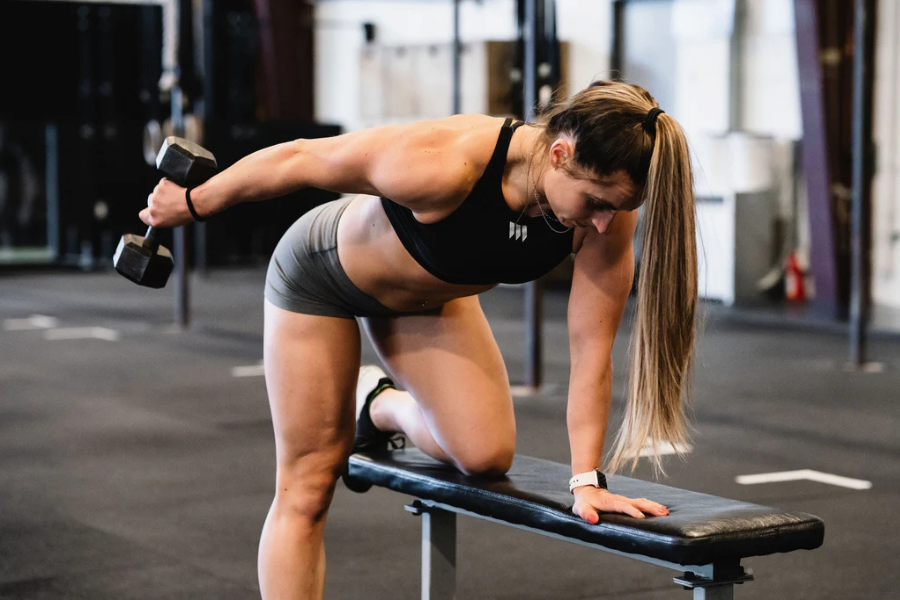
Why your triceps matter
Your triceps do a lot of behind-the-scenes work. Even though you might focus on your biceps for a more defined arm shape, your triceps are actually the larger muscle group on the back of your upper arms. When you build them up, you gain greater pushing power for tasks like getting up off the floor or lifting heavier objects around the house.
If you want toned, stronger arms, bodyweight tricep workouts are an excellent place to start. They require minimal space and no bulky equipment, making it easy to stay consistent at home or on the go. As you improve, you may even notice better posture and stability in the shoulders, which helps with everyday tasks.
Bodyweight basics for strong triceps
Bodyweight exercises rely on your own mass for resistance. This sets them apart from weighted workouts that need dumbbells or barbells, and it also means you can be surprisingly creative—pressure angles and positioning can transform simple movements into challenging ones for your arms.
Using your bodyweight can whip your triceps into shape without adding the complication of extra gear. You’ll primarily work on pushing motions, such as variations of push-ups and dips, with a focus on form to keep tension in the back of your arms rather than in your shoulders or chest. If you’re new, start slowly with shorter sets and pay attention to alignment, so you don’t overload your joints. Small adjustments to hand placement or elbow positioning can make a difference in terms of safety and results.
Step-by-step bodyweight tricep workouts
Below are five effective exercises you can incorporate into your routine. Each one zeroes in on the triceps while also engaging supporting muscles for stability.
-
Close-grip push-ups
Start in a standard push-up position, but keep your hands shoulder-width or slightly narrower. As you lower your body, tuck your elbows close to your sides. This narrower grip puts greater emphasis on your triceps. Keep your core engaged, and try a modified version on your knees if a full push-up feels too challenging. -
Diamond push-ups
Form a diamond shape with your hands by bringing your thumbs and index fingers together under your chest. Position them directly beneath your sternum, and lower your torso in a smooth motion. You’ll quickly feel the burn in the backs of your arms with this variation. Focus on keeping your elbows close to your rib cage throughout the movement. -
Bench or chair dips
Sit on a sturdy chair or bench, placing your palms on the edge beside your hips. Slide forward so your bottom is slightly off the seat, legs outstretched. Bend your elbows to lower your body, then push back up to the starting position. Maintain a slight bend in your knees for stability, and avoid locking your elbows at the top. -
Single-arm wall presses
Stand about an arm’s length from the wall, and place one palm on it at around shoulder height. Angle your body so your weight shifts onto that arm, then bend at the elbow, letting your forearm move toward the wall. Press back up while keeping your core tight. Repeat on each side for an even workout. This exercise keeps the tricep engaged in a more controlled range of motion. -
Forearm plank-to-push-up
Begin in a forearm plank. One arm at a time, push up into a full plank with your hands on the ground. Then lower back down to a forearm plank. Alternate arms each rep. Though this move targets your triceps, you’ll also feel your core firing to stabilize the transition.
Progressions and variations
Once you feel comfortable with these exercises, you can make them more challenging. Gradually add reps and sets, or experiment with tempo by lowering your body slowly and then pressing up quickly. This technique boosts muscle endurance and power.
For moves like diamond push-ups, place your feet on a low bench or step to introduce a decline angle. This shift increases the load on your upper body. If you’re a beginner, you can adapt movement angles instead, such as pushing from a wall instead of the floor. Over time, inch your way closer to a horizontal position to increase resistance naturally.
Common mistakes to avoid
One of the biggest mistakes in tricep workouts is letting your elbows flare out. Keep them tucked in close, especially on push-ups, so your triceps don’t lose out on the extra challenge. Another common error is forgetting to engage your core. Your abs help stabilize your body, so a relaxed midsection can strain your lower back and throw your alignment off.
You’ll also want to check your range of motion. Lowering only partway can short-change your progress. When you aim for a full, controlled movement, your muscle development is more even and you reduce the risk of muscle imbalances between your left and right sides.
Key takeaways
Strengthening your triceps with bodyweight exercises not only sculpts your arms, but also helps with everyday tasks that involve pushing or pressing. Remember to prioritize proper form by keeping your elbows tucked and your core tight. As you build confidence, add more reps, tweak your angles, or slow down your tempo to progress.
Start by picking one or two exercises you find approachable—close-grip push-ups or chair dips, for instance—and perform them consistently. Over time, you’ll grow comfortable enough to mix in more advanced variations. By making these exercises a regular part of your routine, you’ll be well on your way to building stronger, more defined arms without ever stepping into a gym.
About the Author