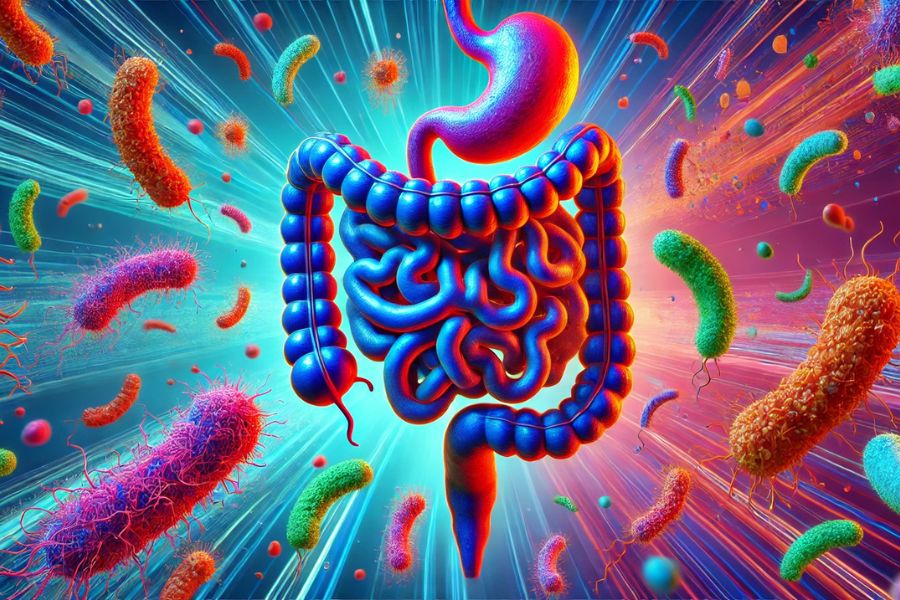
A healthy gut affects far more than digestion. When you support your microbiome with probiotic supplements, you may notice changes in your energy, immunity, and even your skin over time. Probiotic supplements contain live bacteria and yeasts that can help your body maintain a balanced internal ecosystem when you take them in adequate amounts (NIH ODS).
Below, you will see how probiotic supplements work, the wellness benefits they may offer, and how to use them safely and realistically in your routine.
Understand what probiotic supplements actually are
Probiotic supplements are capsules, liquids, powders, or chewables that deliver specific strains of live microorganisms. These friendly bacteria and yeasts join the trillions of microbes already living in your gut, mouth, and on your skin.
According to the International Scientific Association for Probiotics and Prebiotics, probiotics are defined as “live microorganisms that, when administered in adequate amounts, confer a health benefit on the host” (Office of Dietary Supplements). In other words, they are living helpers that support your body rather than harm it.
Common genera you might see on labels include Lactobacillus, Bifidobacterium, Saccharomyces, and Streptococcus. Each genus, species, and even strain can do something a little different, which is why not every probiotic will have the same effect (Office of Dietary Supplements).
You will also see colony forming units, or CFUs, listed on the bottle. This number shows you how many live microbes are in each serving. Most supplements contain between 1 and 10 billion CFUs per dose, but more is not always better (NIH ODS). The right strain and a consistent routine matter more than chasing the highest number.
Support everyday digestive comfort
Digestive health is usually the first reason you think about probiotic supplements, and with good reason. Probiotics can help maintain a healthy balance of bacteria in your gut, which in turn supports smoother digestion and more regular bowel habits (Harvard Health Publishing).
When your gut is in balance, food moves through your system more predictably. You may notice less bloating after meals, fewer episodes of loose stools, and a more comfortable bathroom routine over time. Probiotics do this by helping to crowd out harmful bacteria, supporting the barrier that lines your intestines, and interacting with the immune cells that live in your gut.
You can find some of these beneficial microbes in fermented foods like yogurt and kefir, but probiotic supplements give you more control over the exact strains and doses you are taking. Products that contain strains such as Bifidobacterium animalis are already used in some yogurts to promote digestive regularity (Harvard Health Publishing).
If you struggle with irritable bowel syndrome or ulcerative colitis, certain probiotics may offer mild symptom relief, although results can vary and they do not appear to help Crohn’s disease (NIH ODS). In these cases, it is especially important to work with a healthcare professional so you match the strain and dose to your symptoms.
Help your body recover from antibiotics
Antibiotics save lives, but they can also disrupt the balance of bacteria in your gut. That disruption sometimes leads to antibiotic associated diarrhea, cramping, or gas. Probiotic supplements can lower the risk of this side effect in many people when they are taken at the right time.
Clinical evidence suggests that specific strains, such as Lactobacillus rhamnosus GG and the yeast Saccharomyces boulardii, can reduce both the risk and the duration of antibiotic associated diarrhea. Meta analyses have found that starting these probiotics within two days of beginning an antibiotic can cut the risk by about half (Office of Dietary Supplements).
Probiotics help by competing with harmful bacteria, supporting the gut lining, and restoring a more normal microbial community as the antibiotics do their work. If you know you will start an antibiotic, you can ask your doctor or pharmacist which probiotic timing and strain makes sense for you. They may suggest taking the probiotic a few hours away from your antibiotic dose so the microbes have a better chance of surviving.
You can also continue your probiotic for a week or two after finishing your antibiotic course. This extended support may help your gut return to its usual rhythm more quickly.
Bolster your immune defenses
Much of your immune system sits along your digestive tract, which is why gut health and immunity are closely tied. By shaping the mix of bacteria in your intestines, probiotic supplements can indirectly influence how your immune system responds to invaders.
According to Cleveland Clinic, probiotics add beneficial live bacteria and yeasts that help fight off harmful microbes and support your immune defenses (Cleveland Clinic). These microbes help by competing with pathogens for space and resources, producing substances that discourage harmful bacteria, and communicating with immune cells in your gut lining.
Over time, supporting a healthy gut environment may translate into fewer digestive infections and possibly a lower risk of some types of diarrhea. There is also evidence that certain probiotics can reduce the risk or severity of specific conditions in infants and children, such as atopic dermatitis and acute infectious diarrhea, when used under medical guidance (NIH ODS).
Although you should not think of probiotics as a shield that prevents all illnesses, they can be part of a broader immune supporting routine that includes sleep, nutrition, movement, and stress management.
A helpful way to think about probiotics is as gardeners for your gut. They cannot change the climate, but they can pull weeds, plant helpful species, and make your internal environment more resilient.
Support skin, mood, and whole body wellness
You might be surprised by how far the effects of probiotic supplements can reach. Your gut and brain communicate constantly through nerves, hormones, and immune signals, and scientists are still learning how your microbiome influences that conversation.
While research is ongoing, some studies suggest that probiotics may offer modest benefits for:
- Skin conditions such as atopic dermatitis, especially in infants and children when used under medical supervision (NIH ODS)
- Certain inflammatory gut conditions, particularly ulcerative colitis, where they may help reduce symptoms when added to standard care (NIH ODS)
- Slight reductions in total and LDL cholesterol in some people (Office of Dietary Supplements)
In addition, many people report feeling more energetic or noticing mood shifts when their digestion improves. While this is not proof that probiotics directly change your mood, your overall sense of wellness often rises when you are less bloated, more regular, and more comfortable day to day.
The global interest in these broader benefits is clear. Probiotic supplement sales were estimated at 3.7 billion dollars in 2016 and are projected to grow to 17.4 billion dollars by 2027 (Harvard Health Publishing). That growth reflects how many people are experimenting with microbiome support as part of their wellness routine.
Use probiotic supplements safely and wisely
Like any supplement, probiotic products are not risk free or one size fits all. If you are generally healthy, probiotics are considered safe for most people, but some groups need to be more cautious.
Cleveland Clinic notes that probiotic supplements may pose risks to people with weakened immune systems, such as those who are critically ill or taking immunosuppressant medications, because harmful microbes could cause serious infections in these situations (Cleveland Clinic). The NIH also points out that preterm infants and people with compromised immunity may face higher risks, and the FDA has raised safety concerns about probiotic use in very premature babies (NIH ODS).
Even if you are healthy, you may notice temporary digestive side effects when you first start a probiotic. Healthline reports that bacteria based probiotics can cause increased gas and bloating, while yeast based ones may lead to constipation and increased thirst. These issues usually improve after a few weeks as your gut adjusts (Healthline).
You should also know that:
- Some strains can produce histamine in the gut, which may bother you if you are prone to histamine related headaches or reactions (Healthline).
- Supplements can contain allergens like dairy, egg, soy, lactose, or prebiotic fibers, so you need to check labels carefully if you have allergies or intolerances (Healthline).
- Since probiotic dietary supplements are not regulated in the same way as medications, strain quality and dose can vary. Harvard Health recommends talking with a healthcare professional, such as a registered dietitian, to choose a product that fits your goals and health needs (Harvard Health Publishing).
If you have a chronic illness, have had recent surgery, are pregnant, or are taking prescription medications, it is smart to ask your doctor before starting any new supplement, including probiotics.
Choose and start a probiotic that fits your goals
Once you decide probiotic supplements might support your wellness, the next step is to choose a product and build a simple routine.
First, match the supplement to your main goal. If you want to support digestion, look for products that list this benefit and contain well studied Lactobacillus or Bifidobacterium strains. For antibiotic support, ask your doctor or pharmacist about options that include Lactobacillus rhamnosus GG or Saccharomyces boulardii (Office of Dietary Supplements).
Second, pay attention to storage and quality details on the label. Some probiotics need refrigeration to stay alive, while others are shelf stable. Check the “best by” date and any guarantee of live cultures through that date.
When you are ready to start, begin with the lowest suggested dose and stick with it daily for at least two to four weeks. This window gives you enough time to see whether your body responds. During that time, notice changes in your digestion, energy, and general comfort. If side effects are mild, they may settle as your gut adapts. If you notice anything severe or worrying, stop and contact your healthcare provider.
Finally, remember that probiotic supplements work best as one piece of a broader wellness picture. Eating fiber rich foods that feed your beneficial bacteria, staying hydrated, sleeping well, and moving your body regularly will help those microbes thrive.
Bringing it all together
Probiotic supplements offer a practical way to support your gut and, through it, many aspects of your overall wellness. By adding beneficial bacteria and yeasts, you can encourage smoother digestion, reduce the chances of antibiotic related diarrhea, and gently bolster your immune defenses (Cleveland Clinic, Office of Dietary Supplements).
If you decide to try a probiotic, start by clarifying your goal, choose a product that matches it, and give your body time to respond. Pair your supplement with supportive daily habits so you give those microbes the best possible environment.
You do not need a complicated routine to begin. A single, well chosen probiotic taken consistently can be a simple, easy step toward feeling better from the inside out.
About the Author