Image by Flux
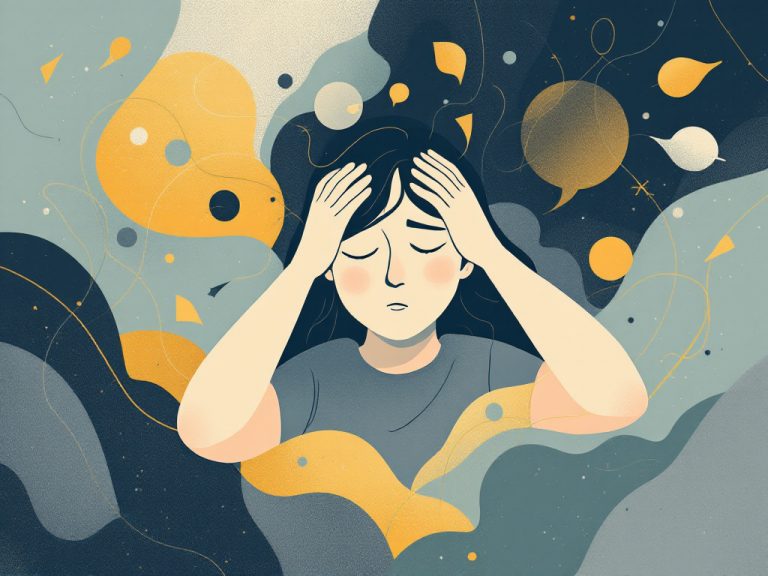
You live with stress every day. Some of it pushes you to grow. Some of it quietly wears you down. When you understand stress and stress management as a skill set, not a character flaw, you can start steering your nervous system instead of feeling dragged by it.
Below, you will learn what stress actually is, how to spot early signs before they snowball, and practical steps you can use this week to bring your system back into balance.
Understand what stress really is
Stress is your body’s built‑in alarm system. When you face a demand or challenge, your brain triggers the “fight or flight” response. Stress hormones like adrenaline and cortisol surge, your heart rate climbs, and your muscles get ready for action so you can respond to the situation fast (HelpGuide).
In short bursts, this is useful. It helps you focus before a big exam, perform during a presentation, or react quickly when you are driving in heavy traffic (Cleveland Clinic). This helpful side of stress is often called “eustress.” It can feel energizing and motivating.
Stress turns harmful when:
- The pressure never lets up
- You feel you have no control
- You do not have enough support or coping tools
That is when stress stops being a short response and turns into “distress,” which can damage your health and quality of life over time (Mental Health at Cornell).
Know the main types of stress
You deal with more than one kind of stress. Naming them helps you respond more precisely.
Acute stress
Acute stress is the short spike you feel in a specific moment. For example, when your boss calls you unexpectedly or your child falls off a bike. Your heart rate jumps, you feel a rush of energy, and once the situation is over, your body settles again.
This kind of stress is normal and often fades quickly (Cleveland Clinic).
Episodic acute stress
If short spikes of stress become your default, you move into episodic acute stress. You might describe yourself as “always rushing” or “always putting out fires.” Your calendar stays full, you jump from crisis to crisis, and your body does not get enough time to reset between surges (Cleveland Clinic).
Over time, this pattern can lead to irritability, fatigue, and health issues.
Chronic stress
Chronic stress is a long‑term pattern. You might feel trapped in a difficult job, stuck in ongoing conflict, or under constant financial strain. With chronic stress, your fight or flight system never really switches off. This constant wear and tear can hurt your body, your mood, and your behavior (Cleveland Clinic).
Chronic stress that is not managed is linked to high blood pressure, heart disease, stroke, obesity, and diabetes (Mayo Clinic).
Spot early signs in your body and mind
Stress is not only “in your head.” It shows up in your body, your emotions, and your habits.
According to Mayo Clinic, stress symptoms can affect how you feel physically, what you think, and how you act. They can lead to headaches, trouble sleeping, feeling unwell, or losing focus at work (Mayo Clinic).
You might notice:
- Physical signs like tight shoulders, jaw clenching, headaches, stomach issues, or rashes
- Emotional signs like feeling on edge, panicky, low in confidence, or numb
- Behavioral changes such as withdrawing from people, eating or drinking more than usual, or snapping at loved ones (Mind)
People express distress in many ways, from obvious symptoms to subtle gut feelings that something is off. Those early signals matter. Cornell’s mental health experts stress that taking your own signs seriously is a key part of managing stress before it becomes overwhelming (Mental Health at Cornell).
If you notice stress symptoms that do not ease even after you rest, or if they keep getting worse, it is important to talk with a healthcare provider to rule out other causes and get support (Mayo Clinic).
If you ever have chest pain, trouble breathing, jaw or arm pain, heavy sweating, dizziness, or nausea, seek emergency medical care immediately. Mayo Clinic notes these can be signs of a heart attack, not “just stress” (Mayo Clinic).
Understand what turns stress into distress
Why do some pressures energize you while others flatten you? The difference often comes down to resources, perception, and loss.
Your coping resources
Distress usually appears when the demands on you exceed your resources to cope, both inside and outside of you. Those resources include your mindset, health, skills, money, social support, and the amount of control you have over your situation. These factors are shaped by privilege, oppression, and cultural norms, so your experience of stress will be personal and context‑specific (Mental Health at Cornell).
What you feel you are losing
Distress often comes with a real or perceived loss of something vital, such as:
- Connection
- Status
- Health
- Meaning
- Control
- Identity
When you feel like you are losing one of these, your nervous system registers that loss as a threat and ramps up the stress response (Mental Health at Cornell).
How you interpret events
Your perception shapes your stress. The same event can feel exciting to one person and overwhelming to another. HelpGuide describes how eustress motivates positive action, while distress leads to feeling stuck and overloaded. The event may be the same, but your outlook, beliefs, and past experiences change how your body and mind respond (HelpGuide).
Use the “4 As” to manage daily stress
You cannot remove stress from life. You can, however, manage how much reaches you and how you respond. A practical framework from HelpGuide is the “4 As” of stress management (HelpGuide).
1. Avoid unnecessary stress
You do not have to say yes to every request or carry every problem alone. You can:
- Set clearer limits on your time
- Decline commitments that drain you
- Reduce contact with people, topics, or media that spike your stress without adding value
Avoiding every challenge would shrink your life, but trimming avoidable stressors frees energy for what really matters.
2. Alter the situation
When you cannot avoid a stressor, sometimes you can change the way it plays out. This might look like:
- Speaking up earlier about a growing workload
- Asking for more realistic deadlines
- Delegating tasks instead of silently shouldering them
Simple, assertive communication can turn a chronic stressor into a manageable one.
3. Adapt to what you cannot change
Some situations will not shift quickly. In these cases, adjusting your expectations and mindset can reduce pressure. You can:
- Challenge all‑or‑nothing thoughts
- Focus on what you can influence today
- Reframe a setback as a learning curve instead of a failure
This is not about pretending everything is fine. It is about choosing a stance that gives you more internal room to breathe.
4. Accept the unchangeable
Loss, injustice, or sudden life events may be beyond your control. Trying to fight reality can drain you more. Acceptance might involve:
- Naming what hurts without judging yourself
- Allowing grief or anger to move through you
- Looking for meaning, support, or small next steps in a hard season
Acceptance is not approval. It is the starting point for wise action.
Build a stress‑resilient daily routine
Your everyday habits either calm your nervous system or keep it on high alert. You do not need a perfect routine. You need a few consistent anchors.
Move your body regularly
Physical activity is one of the most reliable stress relievers you can use. Moving your body releases feel‑good endorphins and shifts your attention from racing thoughts to physical sensations. Mayo Clinic notes that this combination can lift your mood and help small irritations fade away (Mayo Clinic).
HelpGuide highlights that rhythmic exercises like walking, swimming, or cycling work especially well, particularly when you bring some mindfulness to the movements (HelpGuide).
When you are tense, it can feel easier to collapse on the sofa and scroll. Yet Mayo Clinic cautions that passive activities like television or video games, if they are your only tools, may actually increase stress over time compared with active coping methods that involve movement (Mayo Clinic).
Train your mind with meditation
You cannot always reduce your stressors, but you can train how your mind responds. Practices like guided meditation, mindfulness, and visualization help quiet jumbled thoughts and invite a sense of calm, peace, and emotional balance (Mayo Clinic).
Five minutes of paying attention to your breathing, or listening to a short guided track, can help your nervous system shift out of constant fight or flight. Over time, this can make you less reactive when stress hits.
Protect your sleep
Sleep is one of your most powerful tools against stress, and also one of the first things stress disrupts. Mayo Clinic recommends 7 to 9 hours of sleep each night for most adults. When you are sleep deprived, your mood, energy, and focus all suffer, which makes stress feel harder to handle (Mayo Clinic).
You can support better sleep by:
- Keeping a consistent bedtime and wake time
- Avoiding heavy meals, caffeine, and intense screens right before bed
- Adding a short wind‑down ritual such as reading, gentle stretching, or a brief meditation
Even a small improvement in your sleep can lower your stress tolerance line.
Lean on social connection
Stress pushes many people to pull away from others. Yet social support is one of the most protective factors you have. Mayo Clinic points out that spending time with family, friends, or community groups can offer distraction, support, and greater resilience in the face of stress (Mayo Clinic).
You do not need a huge network. One or two trusted people you can be honest with can make a real difference.
Use quick reset tools when stress spikes
Sometimes you need more than long‑term habits. You need fast ways to bring your stress level down in the moment.
HelpGuide recommends “sensory” techniques that work through your five senses. You might (HelpGuide):
- Look at a calming photo or scene
- Listen to music that soothes or energizes you
- Smell a scent you like, such as citrus or lavender
- Hold a warm mug or splash cool water on your face
- Move in a gentle, repetitive way like rocking or pacing slowly
These quick tools will not fix the underlying problem, but they can calm you enough to think clearly about your next step.
Keeping a short stress journal can also help you catch patterns. Writing down what happened, how you felt, and how you responded makes it easier to spot triggers and replace unhelpful habits with more supportive ones (HelpGuide).
Know when to seek professional help
Self‑care has limits. If your stress is severe, constant, or affecting your safety, you deserve more support.
Mayo Clinic recommends professional counseling or therapy when:
- Stress feels overwhelming
- Your own strategies are not enough
- Stress disrupts daily life, work, or relationships
A therapist can help you identify your key stress sources and design coping strategies that fit your life and background (Mayo Clinic).
If you experience intense stress along with thoughts of self‑harm, Cleveland Clinic advises getting help right away by calling or texting 988 in the United States, which connects you to the 988 Suicide & Crisis Lifeline for confidential, 24‑hour support (Cleveland Clinic).
Stress can include serious emotional symptoms like panic, racing thoughts, loss of confidence, or suicidal feelings. Mind emphasizes that in those moments, you are not just “stressed,” you are facing a mental health emergency, and your safety comes first (Mind).
Put it all together this week
You will not master stress and stress management in a single day, but you can start changing your trajectory this week. Try this simple plan:
- Name one major stressor in your life right now.
- Decide which of the “4 As” fits it best: avoid, alter, adapt, or accept.
- Add one daily habit that supports your nervous system, such as a 10‑minute walk, a short mindfulness session, or a stricter bedtime.
- Pick one quick reset tool you will use when you feel your stress rising.
You cannot control every challenge that comes your way. You can control how prepared you are to meet it. Each small, consistent choice you make to care for your body, mind, and connections is a vote for a calmer, clearer version of you.
About the Author