Image by Flux
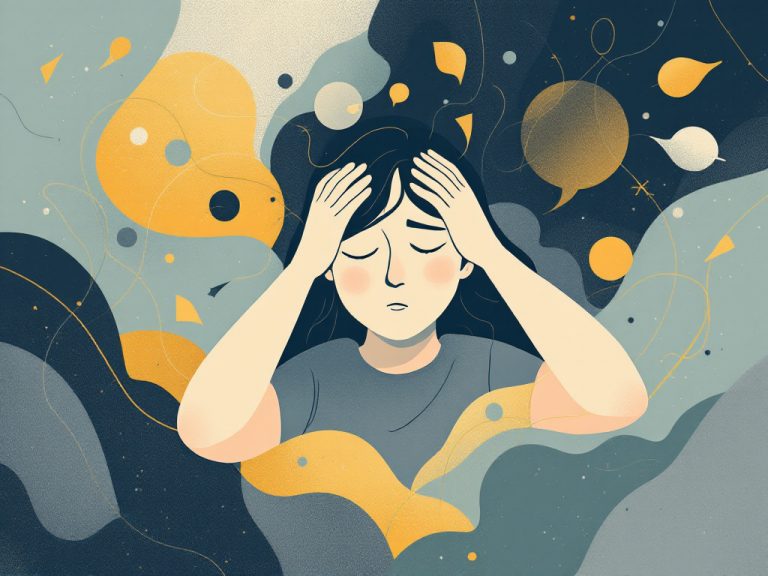
Nearly every big leap in your life comes with a knot in your stomach. New job. Big presentation. Tough workout. That pulse of stress can drain you or it can sharpen you.
That helpful kind of stress is called eustress, and learning how to use it is one of the fastest ways to turn pressure into progress in your work, health, and relationships.
Understand what eustress actually is
Eustress is not the absence of stress. It is a positive stress response that shows up when you face a challenge that is demanding but still feels within reach.
The American Psychological Association defines eustress as a positive stress response that comes from engaging in challenging yet rewarding tasks, like preparing for a big presentation or training for a race (St. John’s Health).
You still feel your heart race. You might feel butterflies. Physically it can look very similar to negative stress, or distress, with nervousness and a pounding heart. The difference is in how you read those signals. When you frame them as excitement and anticipation, you are more likely to experience eustress instead of overload (Verywell Mind).
Researchers like Hans Selye started using the term eustress in the 1970s to separate helpful stress from harmful distress and to show that stress itself is not automatically bad for you (PositivePsychology.com).
In plain terms:
Eustress is the stress you feel when you care, you are challenged, and you believe you have a real shot at succeeding.
Eustress vs distress: Spot the difference
You cannot use eustress well if you cannot tell it apart from distress in real time. Both activate your body. Both release hormones like adrenaline and cortisol. The trick is to look at how the situation feels and what it does to your behavior.
Here is a simple way to separate them:
If a situation feels challenging and meaningful, and you feel pulled toward it, you are likely in eustress.
If it feels threatening, unmanageable, and you want to escape, you are leaning into distress.
Eustress tends to show up when:
- The challenge is clear and has a finish line
- You feel you have some control or a way to influence the outcome
- The demand stretches you but does not crush you
- You feel engaged, focused, and often even energized
Distress shows up when:
- The demand feels vague or never ending
- You feel trapped or powerless
- The stakes feel too high for your current skills or resources
- You spiral into anxiety, rumination, or shutdown
Perception plays a huge role. A 2013 study by Alia Crum and Peter Salovey found that people who viewed stress as a challenge instead of a threat had better outcomes, which shows how much mindset shapes whether you experience eustress or distress (Psychology Today).
You will not turn every stressful moment into eustress, and you do not have to. Your goal is to tip more of your everyday pressure into the helpful category and spot early when you slip into the harmful one.
Why you actually need some stress
You might wish you could erase stress completely, but your brain and body are not built for that. You perform best at a moderate level of arousal, not at zero.
This idea is captured by the Yerkes Dodson law, which shows that performance rises as stress increases, up to an optimal point, then drops once stress becomes too high (Verywell Mind).
Too little stress and you feel bored or checked out. Too much and you feel scrambled. Eustress sits in that sweet spot.
Used well, eustress can:
- Boost motivation and help you start tasks you keep postponing
- Improve focus so you block distractions and lock in
- Enhance creativity and problem solving by activating key brain areas for innovation (CoachHub)
- Support physical health when it comes in short bursts with recovery, for example through exercise that strengthens your heart and lungs (Medical News Today)
You already sense this in daily life. A small deadline makes you productive. A complete lack of pressure lets everything drift. The skill is to dial in that middle zone on purpose.
Common examples of eustress in your life
Once you know what to look for, you will see eustress everywhere. It often shows up when you do something new or slightly scary that you also care about.
Typical examples include:
- Starting a new project at work that stretches your skills
- Training for a race or working on a fitness goal
- Going on a first date or having an important conversation
- Speaking in public or giving a big presentation
- Traveling somewhere new or moving to a new city
- Taking on a promotion, a new role, or even starting a business
These are all situations where your body ramps up, but the stress feels meaningful and mostly manageable. The BetterUp team describes eustress as a three step loop. You take on a challenging but doable task, you work hard with confidence, and when you succeed, your hormone levels drop back to normal and you feel satisfied and more capable than before (BetterUp).
You can think of eustress as the gateway into flow. At the right level of challenge, you are fully absorbed, time passes quickly, and you enjoy the work itself. Psychologist Mihaly Csikszentmihalyi even called flow the “ultimate eustress experience” that supports happiness and top performance (PositivePsychology.com).
How to turn pressure into eustress
You cannot control every stressor in your life, but you can shape how many of them you experience as eustress. Here are practical levers you can pull.
1. Adjust the challenge level
Eustress shows up when a task is challenging but still within reach. If something feels overwhelming, your first move is not to just “think positive”. It is to adjust the load.
You can do that by:
- Shrinking the task into smaller steps so each step feels doable
- Lowering the scope for now and building up later
- Asking for more resources, time, or support
- Building skills with practice so the same demand feels lighter
A 2021 study during COVID 19 lockdowns found that people with more resources and support were more likely to experience stressors as eustress rather than distress (Medical News Today). That is a reminder that your context matters. You are not weak if something feels too hard. Sometimes the level really is off.
2. Increase your sense of control
Control theory suggests that the more control you feel over a stressor, the more likely you are to experience eustress, not distress. Studies have shown that employees with more decision making power report higher job satisfaction and performance (PositivePsychology.com).
To increase your sense of control, you can:
- Decide what “success” looks like before you start
- Choose your own methods, even if the outcome is fixed
- Block time on your calendar so you are not constantly interrupted
- Clarify what is in your control and what is not, then focus only on the first
Your brain calms down when it can see a path through. Even small choices like setting your own milestones can shift an experience from “I am under attack” to “I am steering this”.
3. Reframe your body’s signals
Physically, eustress and distress can feel almost identical. Nervousness. Faster breathing. Sweaty palms. Research summarized by Verywell Mind points out that the difference is largely in how you interpret those sensations (Verywell Mind).
Next time you feel that rush before a difficult task, test this quick reframe:
- Notice: “My heart is racing, my hands are warm.”
- Label: “This is my body giving me energy to perform.”
- Intend: “I can use this to focus and do my best.”
This is not about pretending you are not nervous. It is about recognizing that your stress response can be a performance tool, not a flaw.
4. Tie stress to something you care about
Eustress is often linked to passion and caring about the outcome. When you truly care, your stress hormones help you show up and give full effort. When you do not care, you feel flat, and even high pressure can turn into empty distress (BetterUp).
To build more eustress into your week, ask yourself:
- Which tasks feel meaningful even when they are hard?
- Where do I feel proud once I have pushed through?
- What skills or values am I growing when I take on this challenge?
You can also reframe some stressful events as growth opportunities. Verywell Mind notes that even painful situations like job loss can start to feel more like eustress when you interpret them as a chance to learn new skills or pivot in your career (Verywell Mind).
5. Bake in recovery on purpose
There is a limit to how much even good stress you can carry. Too much eustress with no downtime can tip into burnout or chronic stress (Verywell Mind).
To keep stress in the helpful zone, you need regular recovery. That does not always mean a vacation. It means building small, reliable breaks into your days and weeks, such as:
- Short walks between intense meetings or study blocks
- Tech free meals or evenings
- Light, enjoyable movement on days off heavy training
- Simple practices like deep breathing or mindfulness to reset your nervous system
You want a rhythm of push and pause. That rhythm is what lets your body treat stress as a series of short, productive sprints, not one endless emergency.
Use eustress at work, in training, and at home
The same principles play out across different parts of your life. When you understand how eustress works, you can design your environment so more of your stress lands in the healthy zone.
At work, research from Leadership IQ shows that employees who set difficult but realistic goals are far more likely to love their jobs. Those goals create enough eustress to keep people engaged instead of bored, without tipping them into panic (Leadership IQ). You can copy that by choosing projects that feel a bit above your current comfort level, and by asking for autonomy and feedback so you stay in control.
In sports and fitness, that pre game or pre race buzz is classic eustress. Athletes often perform better in front of an audience because the added pressure sharpens focus and motivation. Their energy can also spill over to teammates, lifting the whole group (CoachHub). You can channel the same effect by signing up for events, training with others, or sharing your goals publicly.
In personal life, many of your happiest memories likely contain a trace of eustress. First dates. Big moves. Risky but honest conversations. The stress was part of what made those moments vivid and meaningful.
Turn today’s stress into tomorrow’s strength
You will never live a life without stress, and you do not need to. What you can do is change your relationship with it.
Eustress helps you:
- See pressure as a signal that something matters
- Use your body’s stress response as fuel instead of fear
- Grow skills, confidence, and resilience one challenge at a time
Start with one situation on your plate right now that feels tense but not impossible. Shrink it to a clear step, claim what you can control, and view your racing heart as your body gearing up to help you.
You are not trying to avoid stress anymore. You are learning to use it.
About the Author