Image by Flux
Stress does not wait for a quiet weekend or a perfect vacation. It shows up in your inbox, your family group chat, and your 3 a.m. thoughts. The right stress reducing activities give you a practical way to take control of your mind in the middle of real life, not outside of it.
You will not erase stress entirely. You can, however, train your body and brain to move out of survival mode faster, think more clearly, and recover your sense of balance.
Understand how stress hijacks you
When you feel stressed, your body releases hormones like adrenaline and cortisol that prepare you to fight, flee, or freeze. Your heart rate climbs, your breathing gets shallow, your thoughts race, and small problems start to feel huge. If this state becomes your default, it can damage both physical and mental health over time (Mayo Clinic).
Stress reducing activities work because they:
- Trigger your relaxation response so your heart rate, breathing, and blood pressure settle
- Shift your attention away from rumination and worst case thinking
- Build resilience in your nervous system so you bounce back faster next time
You are not trying to eliminate stress, you are building a toolkit so that pressure does not run the show.
Use meditation as a mental reset
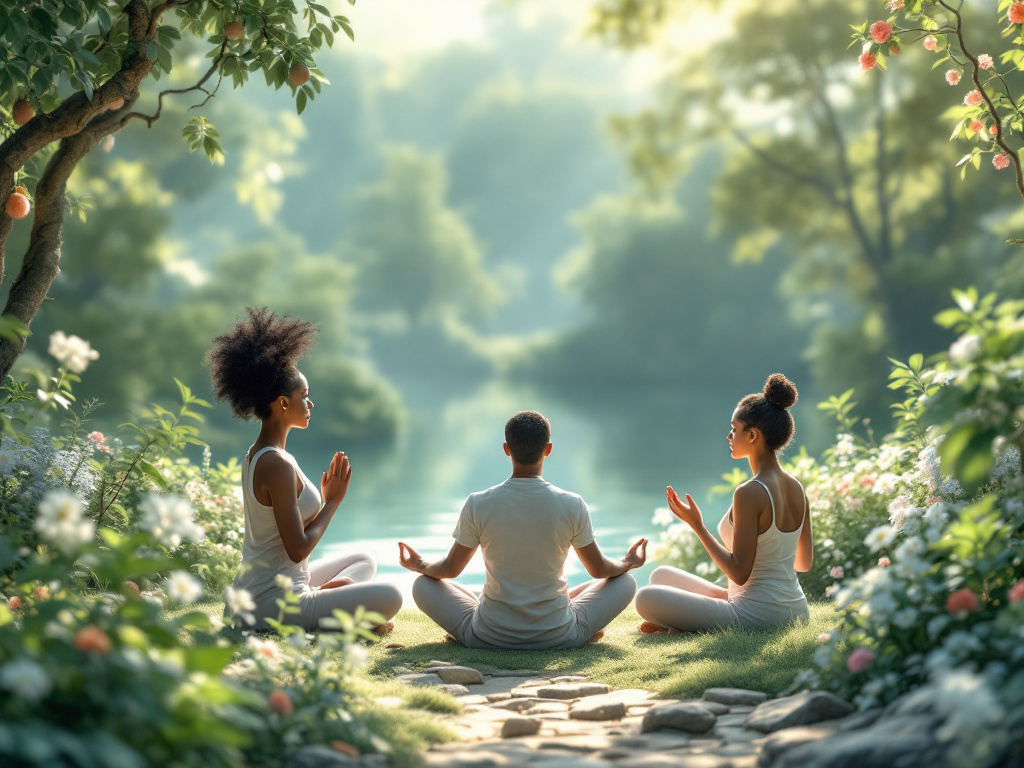
Meditation is one of the simplest and most flexible stress reducing activities you can learn. You can do it on your couch, on a bus, or in a five minute break between meetings. You do not need special gear or a perfect posture.
Why meditation calms your system
When you meditate, you focus on something specific such as your breath, a word, an image, or a sensation. This anchors your attention, quiets constant mental chatter, and helps you step out of repetitive worry loops. Over time, this practice improves emotional balance and helps you manage symptoms of stress aggravated conditions (Mayo Clinic).
Meditation also activates the relaxation response. Research from Harvard notes that practices like quiet breathing and focus can lower heart rate, blood pressure, breathing rate, oxygen use, and adrenaline levels, which eases both mental and physical tension (Harvard Health).
Try different types of meditation
You do not have to sit in silence if that feels impossible. You can choose from several forms and see what fits you best (Mayo Clinic):
- Guided meditation with an app, podcast, or class that talks you through what to notice
- Mindfulness meditation, where you watch thoughts and sensations come and go without judging them
- Body scan, where you move your attention slowly from head to toe and notice tension
- Walking meditation, where you focus on each step and each breath
- Prayer, if you already have a spiritual practice and want to deepen it
Guided options are especially helpful if you feel unsure where to start (Verywell Mind).
Keep sessions short and consistent
You might imagine you need to sit for 30 minutes at a time. In reality, consistency matters more than length. Meditating for as little as five minutes several times a week does more for your stress response than long sessions you never repeat (Verywell Mind).
Treat meditation as a skill. Your mind will wander. That is not failure. Each time you notice and gently return your focus, you are training your attention and weakening the hold of stressful thoughts (Mayo Clinic).
Move your body to move your mood
If you want a stress reducer that works on nearly every system in your body, you cannot skip exercise. Physical activity does not just tire you out. It changes your chemistry in ways that directly fight stress.
How exercise helps you unwind
Aerobic exercise like brisk walking, cycling, or swimming lowers stress hormones such as adrenaline and cortisol. At the same time, it increases endorphins, your natural pain relievers and mood boosters, which can leave you feeling more relaxed and optimistic after a workout (Harvard Health).
Over the longer term, regular activity improves heart function, metabolism, and overall mental health. Clinical trials show that ongoing exercise can ease symptoms of anxiety and depression while giving you both stimulation and calm (Harvard Health). It can also lower resting heart rate and blood pressure and support immune function, which reduces stress related health risks (Mayo Clinic).
Many people find that exercise becomes a kind of moving meditation. When you pay attention to your muscles, your stride, and your breathing, your mind naturally lets go of to do lists and irritations. That focused movement improves mood and clears mental fog (Mayo Clinic).
Build a realistic movement plan
To get the full stress relief benefit, most healthy adults are advised to aim for at least 150 minutes of moderate aerobic exercise a week, like brisk walking, or 75 minutes of vigorous activity, such as running, plus strength training two days a week (Mayo Clinic).
That does not mean you must overhaul your life overnight. You can:
- Break sessions into 10 to 15 minute chunks
- Choose activities you actually enjoy, like dancing, hiking, or group classes
- Set SMART goals that are specific, measurable, attainable, realistic, and timely so you are not relying on vague intentions (Mayo Clinic)
If intense exercise feels out of reach right now, start with short walks. The key is regular movement, not perfection.
Turn hobbies into a stress buffer
Work and chores often fill your schedule. Hobbies can feel optional. In terms of stress, they are not. Enjoyable activities are powerful stress reducing tools because they shift you from distress, which drags you down, to eustress, which is a positive, energizing kind of stress that supports creativity and growth (Kentucky Counseling Center).
Why fun is serious mental health care
When you get absorbed in a hobby, your nervous system gets a break from constant threat detection. You experience what psychologists call flow, a state where you are so engaged that you lose track of time and feel a deep sense of satisfaction. This kind of immersive play reduces stress and supports well being (Henry Ford).
Recreational specialists also see that finishing an enjoyable activity releases endorphins and creates a positive sense of accomplishment. Over time, that can decrease depression, support brain function, improve creativity, and strengthen relationships, all of which help you handle stress better (Henry Ford).
Pick hobbies that actually relax you
You do not need to turn every hobby into a side hustle. Choose activities that feel light and interesting. The Kentucky Counseling Center lists several stress relieving options you can adapt to your life (Kentucky Counseling Center):
- Playing a musical instrument or singing
- Journaling or creative writing
- Gardening or taking care of plants
- Drawing, coloring, or other crafts like knitting
- Reading for pleasure
- Dancing, running, or other movement hobbies
- Cooking or baking
- Gaming or photography
- Volunteering or playing card games like Solitaire and Spades
Even simple card games can calm you because they demand enough focus to pull your mind away from worries and often add a social element that improves mood (Kentucky Counseling Center).
Try adding one small block of hobby time to your week. Protect it the same way you would protect a meeting with someone important, because that is exactly what it is: time with yourself.
A useful test: after 20 minutes of this activity, does your body feel looser and your mind feel a little lighter? If yes, it belongs in your stress reduction toolkit.
Support your body with sleep and relaxation
You can meditate, exercise, and enjoy hobbies, and still feel drained if you rarely rest. Sleep and relaxation are not luxuries. They are the foundation that allows other stress reducing activities to work.
Prioritize real sleep, not just screen time in bed
Your brain and body repair themselves while you sleep. Getting 7 to 9 hours a night helps stabilize mood, sharpen focus, and restore energy. Chronic sleep loss, on the other hand, makes stress feel harder to handle and can affect health over time (Mayo Clinic).
You can improve sleep quality by:
- Keeping a consistent bedtime and wake time
- Creating a short wind down routine, such as reading or light stretching
- Keeping screens out of the last 30 to 60 minutes before bed
- Limiting caffeine and heavy meals late in the day
Better sleep will make every other coping skill you use more effective.
Practice quick relaxation techniques
On days when you feel keyed up, targeted relaxation exercises teach your mind to help your body relax, which then sends calming signals back to your brain. This breaks the feedback loop that keeps you stuck in a stressed state (Harvard Health).
You can experiment with:
- Deep breathing, for example inhaling slowly through your nose for a count of four, pausing, and exhaling for a count of six
- Progressive muscle relaxation, where you tense and then relax muscle groups from your feet to your face
These practices are portable. You can use them in your car, at your desk, or during a difficult conversation without anyone noticing.
Protect your mental health with connection and support
Stress feels heavier when you carry it alone. Human connection is one of the most reliable ways to lower tension and regain perspective.
Use relationships as a stress shield
Even short contact with people you trust can reduce stress by offering distraction, emotional support, and a sense that you are not facing everything on your own. That is why staying in touch with friends and family is such a key part of stress management (Mayo Clinic).
You can build this into your routine by scheduling brief calls, text check ins, or regular meetups. It does not have to be deep or dramatic. Consistent, light contact also makes a difference.
If you are dealing with workplace stress, know that employers have strong reasons to care. More than 85 percent of employees in one survey said that employer actions would help their mental health (OSHA). When organizations invest in stress reduction, they often see better morale, fewer injuries, lower absenteeism, and improved productivity (OSHA). It is reasonable to ask about resources or programs if your job is a key stress source.
Know when to bring in professional help
Hobbies and lifestyle changes are powerful, but they are not a replacement for therapy when you feel overwhelmed. Mental health professionals can help you untangle chronic stress patterns and build personalized coping strategies.
The Kentucky Counseling Center notes that combining therapy with enjoyable, stress relieving hobbies offers strong long term benefits for mental health, and they encourage you to seek professional support if stress starts to feel unmanageable (Kentucky Counseling Center).
If you notice signs like constant exhaustion, hopelessness, panic, or thoughts of self harm, reach out to a professional or crisis service in your area as soon as you can.
Turn ideas into your own routine
You now have a menu of proven stress reducing activities: meditation, movement, hobbies, sleep and relaxation, social connection, and when needed, professional support. The next step is not to try everything at once. It is to pick a few and make them real.
You can start with a simple weekly plan:
- One short daily meditation or breathing break
- Three movement sessions that get your heart rate up
- One block of hobby time that feels playful or creative
- A consistent bedtime that protects at least 7 hours of sleep
Stress will not disappear, but your relationship to it can change. Each time you choose an activity that calms your body and clears your mind, you prove to yourself that you are not powerless. Over weeks and months, those small, repeatable choices are what put you back in control.
About the Author