A lot of people talk about diet and exercise, but fewer people talk about metabolic syndrome and how strongly it can shape your wellness journey. Understanding metabolic syndrome helps you see the full picture of your health, not just the number on the scale or how often you work out.
Metabolic syndrome is more common than you might think, and it can quietly change how your body responds to food, movement, and stress. When you know what it is and what to look out for, you can make more targeted choices that actually move the needle on your long‑term health.
What metabolic syndrome actually is
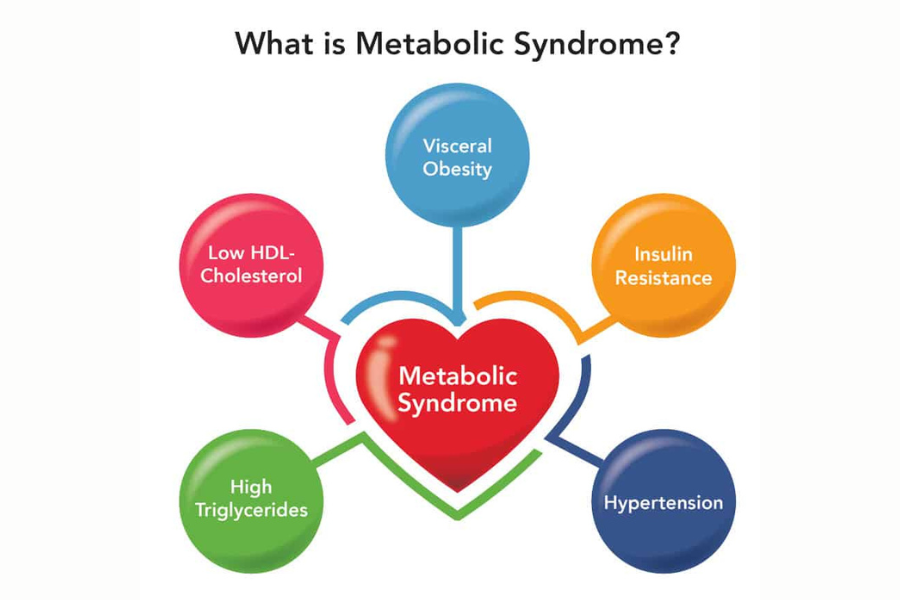
Metabolic syndrome is not a single disease. It is a cluster of conditions that tend to show up together and raise your risk of serious problems like heart disease, stroke, and type 2 diabetes. You are considered to have metabolic syndrome if you have at least three out of five specific issues, or you are taking medicine to manage them, according to the National Institutes of Health and Mayo Clinic as of 2025 (Mayo Clinic).
Those five conditions are:
- High blood pressure
- High blood sugar
- Excess fat around your waist
- High triglycerides (a type of blood fat)
- Low levels of HDL, the “good” cholesterol
When at least three of these are present, your risk of cardiovascular disease, stroke, and type 2 diabetes rises significantly (Cleveland Clinic, Mayo Clinic).
You might feel fine day to day, which is part of why metabolic syndrome can go unnoticed for years. The warning signs often show up first in your lab results and blood pressure readings, not in obvious symptoms.
How common it is and why that matters to you
If you feel like this is something that happens to “other people,” it may help to know how widespread it is. Approximately one in three adults in the United States has metabolic syndrome (Cleveland Clinic). Mayo Clinic reports similar numbers, noting that up to one‑third of U.S. adults are affected, and that even having just one of the related conditions increases your risk of serious disease (Mayo Clinic).
That means if you picture three adults you know, statistically one of them may already be dealing with metabolic syndrome, whether they know it or not. This is not a rare medical edge case. It is a very common health pattern that can influence how your body responds to every wellness change you try to make.
When you are working hard on your health, but results feel slower or more difficult than you expect, underlying metabolic syndrome can be part of the story.
The role of insulin resistance in your wellness
At the core of metabolic syndrome is something called insulin resistance. Insulin is a hormone that helps move sugar from your blood into your cells, where it can be used for energy. With insulin resistance, your muscle, fat, and liver cells do not respond properly to insulin. Your body then has to make more insulin to get the same job done, which leads to higher insulin levels and often higher blood sugar over time (Cleveland Clinic).
Cleveland Clinic notes that insulin resistance is considered the primary underlying cause of metabolic syndrome (Cleveland Clinic). That matters for your wellness journey in several ways:
- You may feel hungrier, even when you are eating enough
- Fat loss, especially around your waist, can feel slower
- You might feel energy crashes after meals
- Your lab results can change even if your habits do not
When you focus only on surface‑level goals, like “lose 10 pounds,” without addressing insulin resistance, it can feel like you are pushing a boulder uphill. Targeting metabolic health helps you work with your body instead of constantly fighting it.
How metabolic syndrome affects your day to day health
Metabolic syndrome is often framed in terms of long‑term risk, like future heart disease or diabetes. Those are very important, but it can also affect how you feel right now.
You might notice:
- Low energy or afternoon crashes
- Brain fog or difficulty focusing
- Shortness of breath on mild exertion if blood pressure and weight are high
- Poor sleep quality, especially if you also snore or have sleep apnea
- Cravings for sweets or refined carbs
Even your body shape can tell you something. People with metabolic syndrome are more likely to have an “apple‑shaped” body with more weight around the waist. This pattern, especially a larger waist circumference, is more strongly linked to diabetes and heart disease than a “pear‑shaped” body that carries more weight around the hips (Mayo Clinic).
None of these signs are a diagnosis on their own, but they are gentle signals to pay attention and talk with your health care provider about metabolic health, not just weight alone.
Even if you feel mostly healthy, asking your clinician to review your blood pressure, waist measurement, cholesterol, and blood sugar together can give you a clearer picture of where you stand.
Why addressing metabolic syndrome is key for long term wellness
Metabolic syndrome is important because of what it often leads to if it is left unchecked. The cluster of high blood pressure, high blood sugar, unhealthy cholesterol levels, and abdominal obesity can cause serious complications, including cardiovascular disease, stroke, type 2 diabetes, atherosclerosis, and organ damage (Cleveland Clinic).
The National Heart, Lung, and Blood Institute explains that the main goals of treating metabolic syndrome are to lower your risk of heart disease and prevent type 2 diabetes if you do not yet have it. If diabetes is already present, the focus is on controlling all risk factors to lower heart disease risk (NHLBI).
In terms of your wellness journey, that means:
- You are not only working on how you look or how strong you feel
- You are also protecting your heart, brain, and blood vessels
- Every small improvement in your numbers can translate into fewer complications later
The encouraging part is that early intervention can reverse metabolic syndrome and lower these risks through lifestyle changes and, when needed, medication (Cleveland Clinic).
Lifestyle habits that support metabolic health
If you discover you have metabolic syndrome or you are at high risk, you are not stuck. The first line of treatment recommended by experts is almost always lifestyle change. This is not about perfection or intense restriction. It is about consistent, realistic shifts that support your metabolism.
Everyday movement that makes a difference
Both Mayo Clinic and NHLBI highlight regular physical activity as a key strategy. Health experts recommend at least 30 minutes of physical activity a day, such as brisk walking. You can break this up into shorter blocks, like walking instead of driving for short trips or taking stairs instead of elevators (Mayo Clinic).
Movement helps your cells respond better to insulin, supports weight management, and improves blood pressure and cholesterol over time. You do not have to start with intense workouts. You can begin with:
- A daily walk after meals
- Gentle strength training using bodyweight or light weights
- Stretch breaks if you sit for long periods
NHLBI notes that you might even work with a physical therapist to design an activity plan that fits your current health and abilities (NHLBI).
Food patterns that calm your metabolism
There is no single perfect metabolic syndrome diet, but certain eating patterns are consistently recommended. Healthy eating plans like the DASH diet and the Mediterranean diet focus on more whole foods and limit certain less helpful choices, which can help manage metabolic syndrome (Mayo Clinic).
In practice, that means:
- Filling most of your plate with vegetables and some fruit
- Choosing whole grains over refined grains when possible
- Including lean proteins such as fish, poultry, beans, or lentils
- Using healthy fats like olive oil instead of trans fats
- Reducing sugary drinks and highly processed snacks
Cleveland Clinic also emphasizes improving diet as a core strategy for managing and potentially reversing metabolic syndrome (Cleveland Clinic).
You do not have to change everything at once. You can start with one meal a day that follows these guidelines and build from there.
The impact of small weight changes
If you live in a larger body, it can be encouraging to know that you do not need dramatic weight loss to see meaningful health benefits. NHLBI notes that losing just 3 percent to 5 percent of your body weight can help manage metabolic syndrome risk factors like high cholesterol and diabetes that increase heart disease risk (NHLBI).
Mayo Clinic adds that this level of weight loss can reduce insulin resistance, lower the risk of diabetes, and reduce blood pressure, especially if you are able to keep the weight off over time (Mayo Clinic).
That might look like:
- A 6 to 10 pound loss for someone who weighs 200 pounds
- A 4 to 7 pound loss for someone who weighs 140 pounds
These changes are often achievable through consistent shifts in eating and movement, without extreme measures.
Other lifestyle shifts that support you
Cleveland Clinic highlights several lifestyle modifications that help manage and potentially reverse metabolic syndrome. These include improved diet and increased physical activity, but also weight loss, quitting smoking, stress reduction, and getting enough sleep (Cleveland Clinic).
You might focus on:
- Building a calming bedtime routine to support better sleep
- Practicing stress management techniques like deep breathing or journaling
- Seeking support if you want to quit smoking, through programs or your health care provider
Each of these pieces feeds into your metabolic health and may also make it easier to stick with your nutrition and movement goals.
When medication or surgery becomes part of the plan
Lifestyle changes are usually the starting point, but they are not always enough on their own. Mayo Clinic notes that medicines are often considered if diet and exercise are not sufficient to manage blood pressure, cholesterol, and blood sugar levels (Mayo Clinic). NHLBI similarly explains that if lifestyle changes alone do not manage metabolic syndrome, medicines or even weight loss surgery may be needed, particularly when obesity causes serious complications (NHLBI).
This does not mean you have failed. It means your care team is using all the tools available to protect your heart, blood vessels, and organs. Lifestyle changes and medical treatments can complement each other. Your efforts with food, movement, sleep, and stress still matter as much as ever.
It can also be reassuring to know that researchers are actively looking for better ways to prevent and treat metabolic syndrome. NHLBI funds ongoing research and clinical trials on conditions like high blood pressure and obesity, which are key parts of metabolic syndrome (NHLBI).
Bringing metabolic health into your wellness goals
If you want your wellness journey to truly support your long term health, it helps to look beyond surface goals and include metabolic health in the picture.
Practical next steps might include:
- Asking your health care provider to review your blood pressure, waist measurement, cholesterol, and blood sugar together
- Finding out whether you meet the criteria for metabolic syndrome or are at risk
- Choosing one movement habit and one food habit to practice this week
- Tracking how your energy, sleep, and mood respond, not just your weight
Metabolic syndrome can feel intimidating when you first hear about it, but it is also an area where small, steady changes can make a powerful difference. By understanding how it works and how common it is, you can make clear, confident choices that support both your present wellbeing and your future health.
About the Author