A lot of health advice focuses on your weight, but your metabolic health tells you a much deeper story about how your body is really doing. You can be a “normal” weight and still have poor metabolic health, or carry extra weight and be on the right track internally. Understanding metabolic health gives you a more accurate picture of your long‑term risk for conditions like diabetes, heart disease, stroke, and even some cancers.
What metabolic health actually means
At its core, metabolic health is about how well your body turns the food you eat into usable energy, and how smoothly it handles things like blood sugar, blood fats, and inflammation.
One helpful definition comes from Dr. Danhua Xiao, who explains that you are metabolically healthy when your body can digest and absorb nutrients without unhealthy spikes in blood sugar, blood fat, inflammation, or insulin levels. This is crucial for preventing chronic diseases such as diabetes, heart disease, and stroke (Atlantic Health).
In practical terms, good metabolic health usually shows up as:
- Blood sugar in a healthy range
- Triglycerides and cholesterol under control
- Blood pressure that is not consistently high
- A waistline that suggests you are not storing too much visceral fat around your organs
These markers are often checked during your annual physical, so you may already have clues about your metabolic health in your recent lab results.
Why most people are not metabolically healthy
This is where the “surprising” part comes in. You might assume that most adults who feel fine are metabolically healthy. Research suggests otherwise.
A large 2019 study from the University of North Carolina found that only 12.2% of U.S. adults met the criteria for good metabolic health (ZOE). Another analysis cited by the American College of Cardiology estimated that just 6.8% of American adults are metabolically healthy (Atlantic Health). In other words, the vast majority of people are dealing with some level of metabolic dysfunction, often without realizing it.
This matters because poor metabolic health is linked with:
- Larger and more frequent blood sugar spikes after meals
- Higher insulin levels, as your body struggles to keep up
- Increased blood fats after eating
- Chronic low grade inflammation that silently damages tissues over time
These changes feed into a higher risk of type 2 diabetes, heart disease, stroke, kidney disease, and nonalcoholic fatty liver disease (ZOE).
The big takeaway is that “feeling OK” or “having a normal BMI” does not guarantee healthy metabolism. Looking under the hood is essential.
Metabolic syndrome and why it is a red flag
You may have heard the term “metabolic syndrome” and wondered if it is the same as poor metabolic health. They are related, but metabolic syndrome is a more specific diagnosis.
According to Cleveland Clinic, you have metabolic syndrome if you meet at least three out of five particular criteria, such as high blood pressure, high triglycerides, low HDL (“good”) cholesterol, increased waist circumference, or elevated fasting blood sugar (Cleveland Clinic). About one in three U.S. adults currently meet this definition, which makes it very common.
The main driver behind metabolic syndrome is insulin resistance. This is when your muscle, fat, and liver cells respond poorly to insulin, so your body has to pump out more of it to keep blood sugar down. Over time, blood sugar still creeps up, and your risk of type 2 diabetes, heart disease, and stroke rises sharply (Cleveland Clinic).
The good news is that metabolic syndrome is often reversible. Lifestyle changes like improving your diet, increasing daily movement and structured exercise, and managing weight can significantly reduce your risk and may even normalize your numbers (Cleveland Clinic).
How your metabolism actually works
Metabolism is not just “how fast you burn calories.” It is the entire network of chemical reactions that turn food and drink into the energy that powers everything you do, from breathing and brain function to cell repair.
Harvard Health explains that your genetic makeup is the biggest determinant of your baseline metabolic rate. That means you cannot fully control how “fast” or “slow” your metabolism is compared with someone else. However, your lifestyle choices, such as how you eat and how much you move, can still shape your metabolic rate and your ability to lose or maintain weight (Harvard Health Publishing).
Metabolic function generally peaks around age 20, then gradually declines by about 5% every decade, with a sharper drop for many women after menopause. This is one reason you may notice that your body responds differently to food and exercise in your 40s or 50s than it did in your 20s (Atlantic Health).
The key point: your metabolism is not fixed, and it is not just about calories. It is dynamic and highly responsive to what you do every day.
What shapes your metabolic health
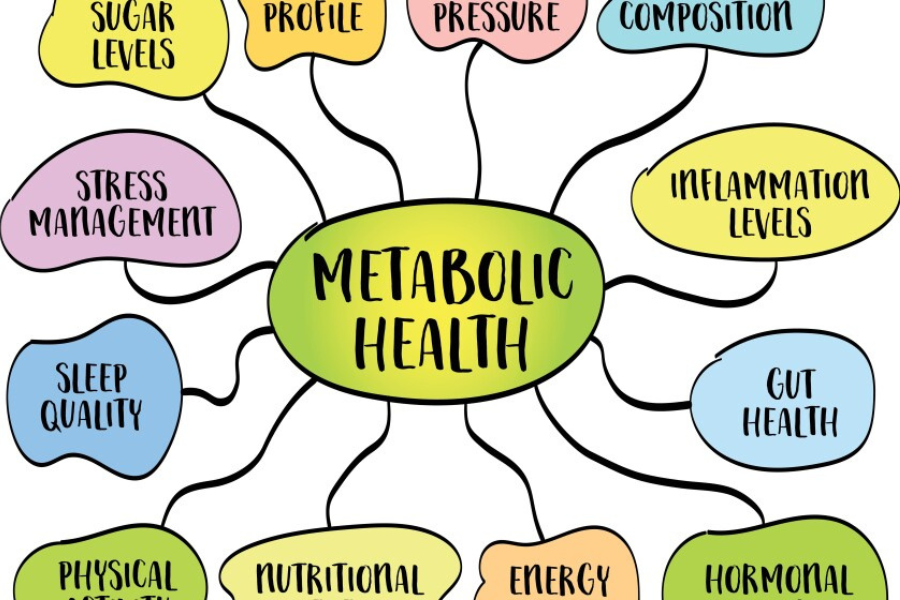
Your metabolic health is influenced by a long list of interconnected factors. According to research from ZOE, your food choices, baseline metabolism, microbiome, physical activity, sleep, stress, mental health, age, sex, and genetics all combine to create a unique metabolic picture for you (ZOE).
A few of the biggest levers you can control include:
- Diet quality and how processed your foods are
- Meal timing and portion sizes
- Daily movement and structured exercise
- Sleep duration and consistency
- Stress levels and how you cope with them
ZOE’s large PREDICT program, which followed more than 10,000 people, showed that individuals vary greatly in how their blood sugar, insulin, and blood fats respond after eating, even if they eat the same foods. These “postprandial” responses have a significant impact on metabolic health and long term disease risk (ZOE).
This means you may need to experiment a bit to find the eating pattern that keeps your own blood sugar and energy levels steady.
Simple ways to start improving your metabolism
You do not have to overhaul your entire life to support your metabolic health. Small, consistent changes can add up. Here are some evidence based places to start.
Choose foods that support stable blood sugar
A diet rich in minimally processed plants and healthy fats is strongly linked with better metabolic health. ZOE highlights that eating a wide variety of plant based foods, plus foods that nourish a healthy gut microbiome, can improve markers like blood sugar, blood fats, and inflammation (ZOE).
UnityPoint Health also notes that some specific foods can slightly boost energy expenditure and promote fullness, which indirectly supports a healthier metabolism:
- Fatty fish such as salmon, tuna, sardines, and mackerel, which are rich in protein and omega 3 fats
- Legumes like black beans, chickpeas, and kidney beans, which offer protein and fiber that help you feel satisfied longer (UnityPoint Health)
Focusing on fiber, protein, and healthy fats at each meal can help reduce dramatic blood sugar spikes and dips.
Move in ways that build and protect muscle
Muscle is metabolically active tissue, so the more lean muscle you carry, the more energy your body uses even at rest. Strength training is one of the best tools you have for this.
Harvard Health and UnityPoint Health both emphasize that weight or resistance training increases lean muscle mass, and that muscle requires more calories to maintain than fat tissue. High intensity interval training can also keep your metabolism elevated for a period after your workout ends (Harvard Health Publishing, UnityPoint Health).
If you are new to this, you might:
- Add two short strength sessions per week using bodyweight or light weights
- Walk more throughout your day to support blood sugar control
- Gradually build toward a mix of cardio and resistance work that feels sustainable
Support your metabolism with sleep, stress care, and hydration
Lifestyle is not just diet and exercise. ZOE points out that high quality sleep, regular bedtimes, and managing mental health and stress are all important for better metabolic outcomes (ZOE).
Water also plays a quiet but important role. According to UnityPoint Health, drinking water can temporarily boost metabolism and help manage appetite. Staying well hydrated supports the many processes involved in energy production and exercise performance. A common recommendation is to aim for about half your body weight in ounces of water per day, and then adjust based on your activity level and climate (UnityPoint Health).
A helpful mindset shift is to view sleep, stress management, and hydration as part of your “metabolic care routine,” not as extras that only matter when you have time.
How to check in on your own metabolic health
You do not have to guess about your metabolic health. Routine medical tests already give you valuable information, and early changes are often easier to reverse.
Experts at Ezra recommend paying attention to indicators such as fasting blood glucose and waist circumference. For example, a fasting blood glucose of 100 mg/dL (5.6 mmol/L) or higher and a waist measurement over 35 inches for women or 40 inches for men are signs that your metabolic health may need attention (Ezra).
Cleveland Clinic also encourages regular physical exams that check:
- Blood pressure
- Fasting blood sugar
- Cholesterol and triglycerides
- Waist circumference
Catching early changes means you can adjust your lifestyle, work with your healthcare provider, and reduce your chances of developing complications like heart disease and diabetes (Cleveland Clinic).
If your doctor has mentioned terms like “prediabetes,” “insulin resistance,” “fatty liver,” or “metabolic syndrome,” consider them early warning lights, not final verdicts. With targeted changes, many people improve these markers and even step away from the edge of more serious disease.
Putting it all together
Your metabolic health is not a single number, and it is not fixed. It is the sum of how well your body handles what you eat, how you move, how you sleep, and how you live day to day.
You now know that:
- Most adults are not metabolically healthy, even if they appear well on the outside
- Metabolic health affects far more than weight, from heart disease risk to brain health
- Small, realistic changes in food, movement, sleep, and stress care can shift your metabolism in a better direction
You do not need to tackle everything at once. Pick one step you can start today, like adding a fiber rich side to dinner, walking after your largest meal, or setting a consistent bedtime three nights this week. Each choice is a quiet vote in favor of a healthier metabolism, and over time those votes add up.
About the Author