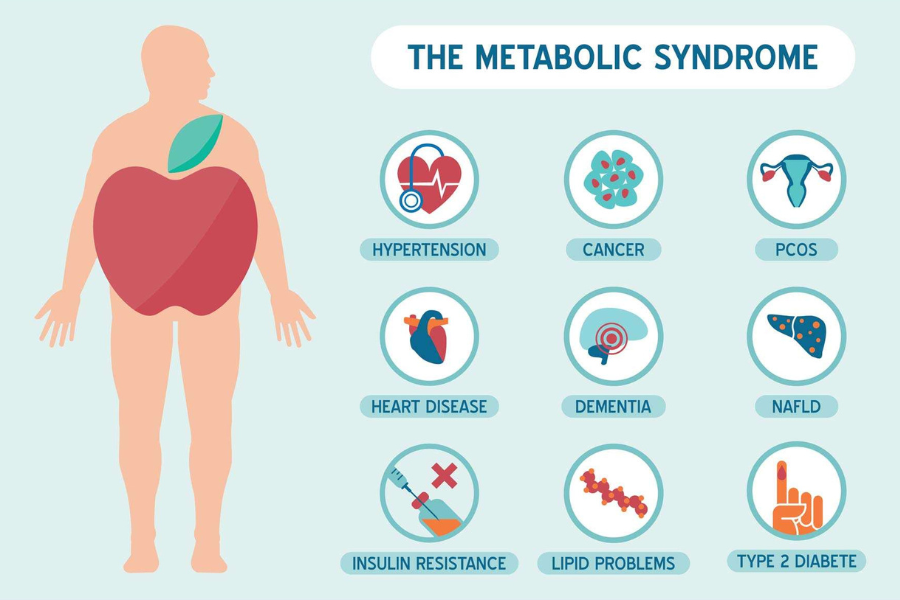
Metabolic syndrome X might sound like medical jargon, but it describes a very real cluster of health issues that can quietly raise your risk of heart disease, stroke, and type 2 diabetes. The good news is that you can influence many of the drivers of metabolic syndrome x through small daily choices, not just big dramatic overhauls.
Below, you will find friendly, practical ways to support your metabolic health and lower your risk over time.
Understand what metabolic syndrome X is
Metabolic syndrome x is not a single disease. Instead, it is a group of conditions that tend to show up together and strain your heart, blood vessels, and metabolism. According to Cleveland Clinic, you are considered to have metabolic syndrome if you have at least three of five specific risk factors that significantly raise your risk of cardiovascular disease, type 2 diabetes, and stroke (Cleveland Clinic).
These risk factors include:
- A large waist circumference, especially if you carry more fat around your abdomen
- High blood pressure
- High fasting blood sugar
- High triglycerides
- Low HDL, the “good” cholesterol
Mayo Clinic notes that up to one in three adults in the United States meet the criteria for metabolic syndrome, which means it is common and easy to overlook until it causes problems (Mayo Clinic).
Recognize why it matters
You might feel fine even if you have metabolic syndrome x. That is part of why it can be so tricky. Many of the risk factors do not cause obvious symptoms at first, but they quietly wear on your heart, blood vessels, and organs.
If left unchecked, metabolic syndrome can lead to:
- Atherosclerosis, or hardening and narrowing of the arteries
- Heart disease and heart attack
- Stroke
- Type 2 diabetes
- Kidney and liver problems
Both Mayo Clinic and Cleveland Clinic point out that metabolic syndrome is closely tied to insulin resistance. That is when your muscle, fat, and liver cells do not react properly to insulin. Your body works harder to keep blood sugar normal, and over time blood sugar can rise and set the stage for diabetes (Cleveland Clinic, Mayo Clinic).
The important thing to remember is that these changes usually build up over years. That gives you time to take action.
Check your personal risk
Before you can actively fight metabolic syndrome x, it helps to know where you stand. Diagnosis usually happens in a clinic or doctor’s office, but there are simple steps you can take to start the conversation.
Your health care provider may:
- Review your personal and family medical history
- Check your blood pressure
- Measure your height, weight, and waist circumference
- Order blood tests to look at fasting blood sugar, triglycerides, and cholesterol levels
The National Institutes of Health, as summarized by Mayo Clinic, defines metabolic syndrome as having three or more of those specific conditions or being on medicine to manage them (Mayo Clinic).
If you have not had your blood pressure, cholesterol, or blood sugar checked in a while, that is a simple first step you can schedule this week.
Make daily movement a habit
You do not need to train for a marathon to support your metabolic health. Consistent, moderate movement is enough to make a real difference for metabolic syndrome x.
Mayo Clinic recommends at least 30 minutes of physical activity per day, such as brisk walking. You can break this up into shorter blocks and still benefit, for example three 10 minute walks spread through your day (Mayo Clinic).
You can experiment with:
- Walking after meals, which can help with blood sugar control
- Light strength training a few times a week, using body weight or simple dumbbells
- Cycling, swimming, or dancing if your joints need a gentler option
- Stretching or yoga on rest days to stay flexible and reduce stress
If you are just starting, aim for what feels comfortable, even if that is 10 minutes at a time. As that becomes your new normal, you can gradually increase either the duration or the intensity.
Shift to a metabolic friendly way of eating
Healthy eating plans are a core part of managing metabolic syndrome x. Mayo Clinic highlights two nutrition styles in particular: the DASH diet, which is often used to lower blood pressure, and the Mediterranean diet, which emphasizes whole foods and healthy fats (Mayo Clinic).
You do not have to follow a strict plan to borrow their key ideas:
- Focus on vegetables and fruits at most meals
- Choose whole grains like oats, brown rice, and whole wheat bread
- Include lean proteins such as fish, beans, lentils, and poultry
- Use healthy fats like olive oil, nuts, seeds, and avocado
- Limit sugary drinks, highly processed snacks, and fast food
If changing everything at once feels overwhelming, adjust one habit at a time. You might add a side salad to dinner, swap one soda for water, or choose whole grain bread instead of white. Small improvements add up when you repeat them daily.
A practical rule of thumb: aim to fill half your plate with vegetables, one quarter with lean protein, and one quarter with whole grains. This simple structure naturally supports better blood sugar, cholesterol, and weight management.
Aim for gradual, realistic weight loss
Weight is only one piece of metabolic health, but it is an important one if you carry extra fat around the abdomen. Research noted by Mayo Clinic shows that losing just 3 to 5 percent of your body weight can significantly reduce insulin resistance, lower your risk of diabetes, and reduce blood pressure (Mayo Clinic).
That means if you weigh 200 pounds, even a 6 to 10 pound loss can have meaningful health benefits. You do not have to chase a dramatic transformation to help your body.
To keep it manageable, you can:
- Set small, specific goals like “I will walk 20 minutes after dinner five nights this week”
- Adjust portion sizes slightly instead of cutting out foods you enjoy
- Keep tempting ultra processed snacks out of easy reach
- Check in with your doctor or a dietitian if you want structured support
The idea is to create habits you can live with, not a short term plan that leaves you feeling deprived.
Support insulin sensitivity every day
Since insulin resistance is a major driver of metabolic syndrome x, daily choices that make your cells more responsive to insulin pay off over time. Both Cleveland Clinic and Mayo Clinic stress that lifestyle changes involving diet and exercise are the primary treatment for metabolic syndrome, with medications used if lifestyle alone does not fully control blood pressure, cholesterol, and blood sugar levels (Cleveland Clinic, Mayo Clinic).
You can support insulin sensitivity by:
- Moving your body regularly, especially after meals
- Prioritizing fiber rich foods like vegetables, beans, and whole grains
- Getting enough sleep, since poor sleep can worsen insulin resistance
- Managing stress with simple tools like breathing exercises or short breaks throughout your day
If you have been told you have prediabetes or elevated fasting blood sugar, ask your provider which specific goals make sense for you. That might include medication, but your daily habits will still be the foundation.
Work with your doctor on a plan
Lifestyle changes are powerful, but they are not the only tools available for metabolic syndrome x. In some cases, your health care provider may recommend medications to help manage blood pressure, cholesterol, or blood sugar while you make longer term changes.
Diagnosis and follow up usually include:
- Regular blood pressure checks
- Periodic blood tests to monitor glucose, cholesterol, and triglycerides
- Waist and weight measurements
- Medication adjustments if your numbers stay too high
Cleveland Clinic notes that metabolic syndrome can often be reversed with a combination of improved diet, increased physical activity, and medication if needed, especially when you address it early (Cleveland Clinic).
You do not need to do everything perfectly to benefit. You just need to keep moving in the right direction and stay in touch with your care team about what is and is not working for you.
Build a lifestyle that supports long term health
Once you understand metabolic syndrome x and how it develops, the everyday actions that protect you start to look simple rather than mysterious. Mayo Clinic points out that lifestyle modifications focused on healthy eating, regular activity, and weight management can slow or even prevent the progression of metabolic syndrome and its related health problems (Mayo Clinic).
If you want a few ideas to start with today, you might:
- Schedule a checkup to review your blood pressure, cholesterol, and blood sugar
- Take a 10 to 15 minute walk after your next meal
- Add one extra serving of vegetables to your day
- Swap one sugary drink for water or unsweetened tea
- Go to bed 30 minutes earlier than usual
Each of these changes is small on its own. Together, over weeks and months, they create a healthier environment inside your body where metabolic syndrome is less likely to take hold.
You do not have to tackle everything at once. Choose one friendly tip that fits your life right now, put it into practice this week, and let that be your starting point.
About the Author