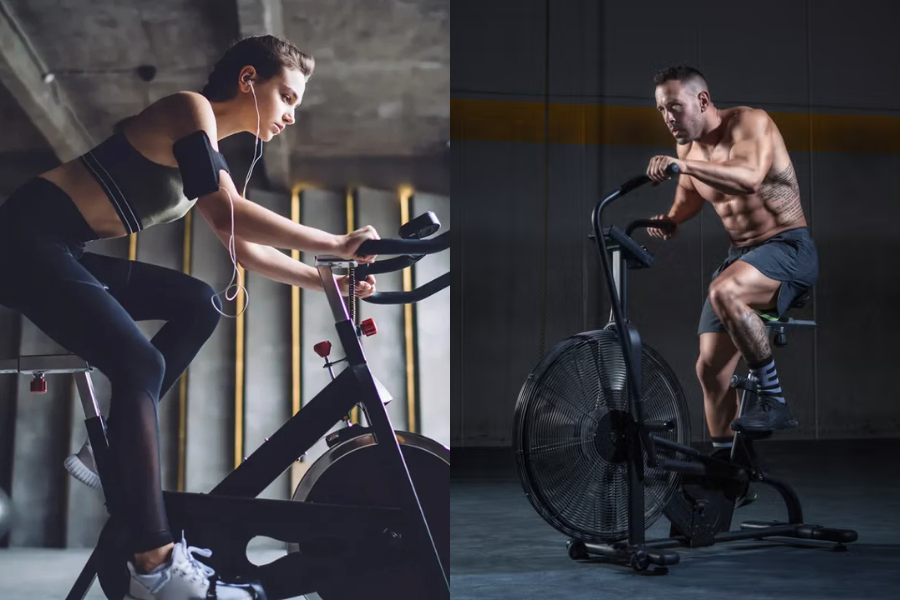
A good exercise bike training program can turn an occasional spin into real, measurable progress. With a simple plan, you can use your stationary bike to lose weight, boost your cardio fitness, and feel stronger in everyday life, without worrying about weather, traffic, or busy gym hours.
Below, you will find how exercise bike training programs work, why they are so effective, and a few sample plans you can follow at home, whether you are a beginner or already ride regularly.
Understand why exercise bike training works
Exercise bike training programs are structured plans that tell you exactly what to do each session. Instead of just pedaling aimlessly, you use specific intensities and intervals so every minute has a purpose.
Research on indoor cycling shows that regular stationary bike workouts can improve body composition, aerobic capacity, blood pressure, and cholesterol, especially when combined with smart nutrition choices (Bicycling). These programs are also low impact and gentle on your joints, which is helpful if running or other high impact activities cause pain (Bicycling).
Because an exercise bike lets you control resistance, cadence, and workout duration, it is easy to tailor your rides to your current fitness level and goals. You can stay in your comfort zone when needed, or push yourself safely when you are ready for more.
Set clear goals before you start
Before you choose an exercise bike training program, get clear about what you want from it. This helps you stay motivated and choose the right structure.
You might want to:
- Lose a specific amount of weight
- Improve your cardiovascular health or stamina
- Build leg strength and power
- Cross train for another sport
- Simply feel fitter and more energetic day to day
A useful approach is to set SMART goals. That means goals that are Specific, Measurable, Achievable, Relevant, and Time bound (JOIN Cycling Tips). For example, instead of “get fitter,” you could aim for “ride the bike 3 times a week for 30 minutes for the next 8 weeks.”
Once you have a clear target, you can adjust your training frequency, intensity, and workout type to match it.
Learn the basic types of workouts
Most exercise bike training programs use a mix of easy, moderate, and hard efforts. You do not need to memorize advanced cycling science, but it helps to understand a few basic styles.
Steady state rides
Steady state rides keep you at a consistent, moderate effort. You should be breathing heavier than usual but still able to speak in short sentences.
These rides build your aerobic base, which is your foundation for burning fat and riding longer without feeling exhausted. Many coaches recommend spending plenty of time in this lower intensity “zone 2” style of training, especially when you are starting out (Reddit r/Fitness).
Interval and HIIT sessions
Interval training means alternating short, harder efforts with periods of easier pedaling. This is sometimes called high intensity interval training, or HIIT. It can deliver excellent fitness results in less time than traditional, steady workouts, and can be done very effectively on a stationary bike (FreeBeatFit).
Common examples include:
- 30 20 10 intervals. You ride 30 seconds at a moderate pace, 20 seconds hard, and 10 seconds very hard, then repeat. This pattern in under 30 minutes has been shown to improve fitness, lower blood pressure, and reduce body fat in both trained and untrained people (Bicycling).
- Tabata intervals. You go all out for 20 seconds, rest for 10 seconds, and repeat 8 times for a 4 minute block. Four blocks with rest between them makes a 30 minute workout. This style is strongly supported by research for boosting both aerobic and anaerobic fitness and improving body composition (Bicycling).
Interval training improves cardiovascular fitness, increases calorie burn, saves time, and can build mental toughness when you stick with those tough efforts (FreeBeatFit).
Warm ups and cool downs
Every session should start with a warm up and end with a cool down. A good warm up improves oxygen uptake, muscle activation, and mental focus. A cool down, such as 5 to 10 minutes of light pedaling followed by stretching, can aid recovery and reduce injury risk (JOIN Cycling Tips).
Think of these as bookends that help your hard work in the middle pay off more.
Start with a beginner friendly program
If you are new to exercise bike training programs, begin with simple, short rides and increase gradually. This helps you avoid soreness and burnout, and it gives your heart and muscles time to adapt.
Verywell Fit suggests starting with just a few minutes and working up to longer sessions, eventually reaching a 30 minute workout that meets the daily minimum exercise recommendation (Verywell Fit). Here is a basic structure you can try.
Week 1 to 2: Build the habit
Aim for 3 rides per week.
- 5 minutes easy warm up
- 10 minutes at a comfortable, moderate pace
- 5 minutes easy cool down
This 20 minute session, similar to beginner guidance from freebeatfit, helps you build stamina gradually while recovering well between rides (freebeatfit).
Focus on consistency and good form rather than speed or resistance. The most important goal is to make riding a regular part of your week.
Week 3 to 4: Add light intervals
Keep 3 rides per week, but add a little variety.
- 5 minutes easy warm up
- 3 minutes moderate, 2 minutes slightly harder, repeat 3 times
- 5 minutes easy cool down
Total time: 25 minutes. Verywell Fit describes this type of progression, where you start inserting short harder segments, before eventually working up to a 30 minute session with more intervals (Verywell Fit).
During the harder segments, you should feel challenged but still in control, not gasping for air.
Week 5 and beyond: Reach 30 minutes
Once you are comfortable, increase to a 30 minute workout, such as:
- 5 minutes easy warm up
- 5 minutes moderate
- 2 minutes harder, 3 minutes moderate, repeat 3 to 4 times
- 5 minutes easy cool down
At this point, you can either stay here and enjoy the health benefits or slowly extend one ride per week to 35 or 40 minutes if weight loss or endurance is your main goal.
Move to intermediate and advanced plans
As you get fitter, you can use more structured exercise bike training programs that blend endurance rides with more demanding intervals.
JOIN Cycling suggests that with limited time, 3 to 4 hours per week split between two or three shorter interval sessions and one longer endurance ride works well for most riders (JOIN Cycling Tips). You can adapt this approach even if you do not think of yourself as a “cyclist.”
Intermediate weekly structure
Aim for 3 or 4 sessions per week:
-
Steady endurance ride
40 to 60 minutes at a comfortable moderate pace -
Interval session
30 minutes total, for example:
-
5 minutes warm up
-
2 minutes high resistance and strong effort
-
1 minute moderate recovery
-
Repeat that 2 1 pattern 8 to 10 times
-
5 minutes cool down
Freebeatfit outlines similar 30 minute sessions that alternate higher resistance with easier periods to enhance fat burning (freebeatfit).
- Optional fun or mixed ride
Try a hill and speed interval workout, where you change resistance and cadence to move through different heart rate zones. Health features a 44 minute intro to hill and speed session designed to boost fitness and calorie burn while staying gentle on joints (Health).
You can schedule these on non consecutive days, for example Monday, Wednesday, Friday, with an optional Saturday ride.
Advanced interval focused workouts
If you already exercise regularly and want a stronger challenge, you can integrate true HIIT sessions.
Examples include:
- Fartlek or “speed play” rides. These mix steady sections with random or planned bursts of speed and resistance, which helps build both endurance and power. A 30 minute Cycle Fartlek format can be adapted to your own effort levels and work to rest ratios (Health).
- Power intervals or VO2 max sessions. These involve longer hard intervals, such as 2 to 4 minutes at a near maximal effort with equal or slightly longer recovery. Health describes a 48 minute power interval workout that can significantly improve aerobic capacity and body composition when done 3 to 5 days per week for at least six weeks (Health).
Beginners should ease into interval training and let their bodies adapt gradually. FreeBeatFit recommends a progressive approach, starting with manageable intensities and durations, and consulting a coach or fitness professional if you are unsure where to begin (FreeBeatFit).
Support your training with smart habits
You will see better and faster results from your exercise bike training programs if you pay attention to a few key habits around your rides.
Dial in setup, sleep, and recovery
Make sure your bike is adjusted properly so your knees have a slight bend at the bottom of the pedal stroke and you are not reaching uncomfortably for the handlebars. Good setup reduces strain and lets you ride longer.
TrainerRoad highlights other basics that help your workouts feel better and be more effective. These include getting 8 to 10 hours of sleep, fueling with carb focused foods before hard rides, hydrating during your session, and using strong fans to avoid overheating in indoor sessions (TrainerRoad).
Cooling down after each ride and stretching regularly will also help your legs feel fresher and reduce soreness.
Mix in strength and cross training
While resistance on the bike does train your muscles to some extent, you get more complete strength benefits when you add off the bike resistance work. Stationary bike resistance helps support weight loss by building some muscle, but experts still advise incorporating separate strength training if your goal is maximum muscle gain and a higher metabolism (Bicycling).
To prevent overuse injuries and boredom, it also helps to cross train with other forms of cardio, such as walking, elliptical, or treadmill workouts, aiming for at least three cardio sessions overall per week (Verywell Fit).
Stay consistent and make it enjoyable
The exercise bike does not have to feel like a chore. The most successful training programs are the ones you can stick to.
You can:
- Watch a favorite show during easy rides
- Listen to motivating playlists or podcasts
- Join virtual classes or apps that gamify your rides
- Vary your routes or interval patterns to keep things interesting
Riders in online communities often point out that consistency beats complexity. When you are starting out, it is more important to ride regularly and enjoy the process than to follow a perfect, advanced plan (Reddit r/Fitness).
If your choice is between a “perfect” 60 minute workout you never actually do and a simple 20 minute ride you repeat three times a week, the shorter, consistent option will win every time.
Over time, those regular sessions add up to better fitness, easier weight control, and more confidence in your body. Your exercise bike training program does not need to be complicated. It just needs to be clear, realistic, and something you are willing to press “start” on, again and again.
About the Author