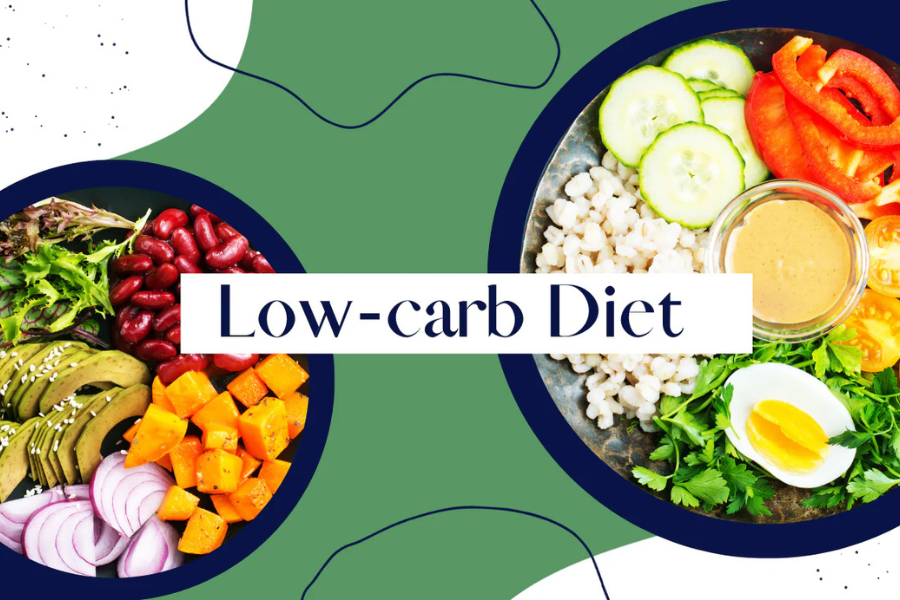
A low carb diet and diabetes care can work together to help you lower blood sugar, lose weight, and feel more in control of your health. Instead of focusing on perfection or strict rules, you can use low carb eating as a flexible tool that fits your lifestyle and medical needs.
Below, you will learn what a low carb diet actually is, how it affects diabetes, what the research says, and how to get started safely.
Understand what “low carb” really means
Low carb does not mean “no carb.” It simply means you eat fewer carbohydrates than a typical Western diet, and you pay attention to the quality of those carbs.
Carbohydrates are found in foods like bread, rice, pasta, potatoes, fruit, milk, yogurt, sweets, and many processed snacks. When you eat them, your body breaks them down into glucose, which raises your blood sugar. If you have diabetes or prediabetes, your body has a harder time managing that rise.
According to Diabetes UK, a low carb diet usually means less than 130 grams of carbohydrate per day for most adults, which is lower than standard eating patterns but not extreme (Diabetes UK). Very low carb or ketogenic diets go further and may limit carbs to under 10 percent of your daily calories (Healthline).
You do not need to jump straight into an ultra low number. You can treat carb reduction like a dimmer switch instead of an on and off button.
See how low carb affects diabetes
When you lower your carb intake, you usually see several changes that matter for diabetes management.
First, fewer carbs often mean fewer sharp spikes in blood sugar after meals. Over time, that can help bring your A1C down, which is a measure of your average blood sugar over about three months. A 2025 review of low carb and ketogenic diets in people with type 2 diabetes found consistent reductions in A1C, body weight, body mass index and systolic blood pressure over follow ups of one to eight years (PubMed).
Second, your body may become more sensitive to insulin as you lose weight, especially around your abdomen. Several studies show that people who adopt low carb patterns are able to reduce or sometimes stop certain diabetes medications when they are monitored by their medical team (Healthline).
Not everyone responds in exactly the same way, and low carb is not automatically “better” for every person with diabetes. Major organizations like Diabetes UK and the American Diabetes Association emphasize that there is no single ideal carbohydrate target, and that your diet should be personalized to your preferences and health goals (Diabetes Therapy, Healthline).
Review what the research actually shows
Many headlines around low carb diets are bold. The details are more nuanced. Looking at the research helps you set realistic expectations and avoid extremes.
A systematic review in 2025 pooled long term studies of low carb and ketogenic diets in adults with type 2 diabetes and found that these approaches led to meaningful improvements in blood sugar control, weight, BMI and blood pressure. Some participants even reached diabetes remission, with the highest remission rates of up to 62 percent at one year. However, remission rates dropped to around 13 percent at five years, which shows how challenging long term adherence can be (PubMed).
A 2021 meta analysis in BMJ reported that low carb diets, defined as less than 26 percent of calories from carbohydrates, were more likely than usual diets to bring A1C below 6.5 percent or fasting blood sugar under 126 mg/dL after six months (American Academy of Family Physicians). Very low carb diets under 10 percent of calories produced strong benefits at six months, but those effects often faded by 12 months as people drifted away from the strict plan.
Shorter trials show similar patterns. In a randomized clinical trial published in 2023, adults with prediabetes or mild diabetes who cut carbs aggressively for six months lowered A1C and fasting blood sugar more than those on their usual diet, and lost about 13 pounds on average (Harvard Health Publishing). The improvements translated into a significant drop in estimated diabetes risk, but the study also pointed out that such a strict approach may be tough to maintain without ongoing support.
Another key finding across multiple reviews is that low carb diets tend to outperform higher carb diets in the short term, up to about six to twelve months, but the advantage often disappears in longer term studies up to two years (Diabetes Therapy). That does not mean low carb is useless. It means that sustainability and your personal fit matter more than the specific percentage of carbs.
Focus on food quality, not just carb numbers
When you hear “low carb,” you might think of bunless burgers, bacon, and butter. The research suggests that what you replace carbohydrates with is just as important as how many carbs you eat.
An analysis presented at an American Heart Association conference looked at over 200,000 adults for up to 30 years and compared different reduced carb patterns. People who ate fewer carbs but chose mostly plant based proteins and fats had a lower risk of developing type 2 diabetes. Those who ate low carb diets heavy in animal protein and saturated fat had a significantly higher risk, especially when they also avoided whole grains (American Heart Association News).
In other words, a low carb plate built around vegetables, nuts, seeds, olive oil, beans in moderation, fish, and modest amounts of lean meats looks very different from a low carb plate built around processed meats and cheese.
A 2022 study from Stanford compared a ketogenic diet with a Mediterranean style, lower carb diet in adults with type 2 diabetes and prediabetes. Both diets improved blood sugar and led to weight loss, but participants found the Mediterranean approach easier to stick with. It also lowered LDL cholesterol instead of raising it and allowed more fiber rich foods like legumes, fruits and whole grains in limited amounts (Stanford Medicine).
This is encouraging if you like variety and do not want to eliminate entire food groups long term.
When you plan your meals, think “better carbs and better fats,” not just “fewer carbs.”
Weigh the benefits and limitations
A low carb diet and diabetes management can fit together well, but it helps to be honest about both the upsides and the tradeoffs.
On the benefit side, research shows that low carb eating can:
- Lower A1C and daily blood sugar levels in the short to medium term
- Support meaningful weight loss, which itself improves insulin resistance
- Reduce triglycerides and sometimes blood pressure
- Lessen the need for certain diabetes and blood pressure medications in some people (PubMed, Healthline)
On the limitation side, you may face:
- Difficulty sticking to very low carb goals over the long term
- Possible side effects, such as constipation or bad breath, especially early on (Diabetes UK)
- Increased LDL cholesterol with some high fat ketogenic patterns, depending on the foods you choose (Stanford Medicine)
- The need for medication adjustments, since better blood sugar control can increase your risk of hypoglycemia if doses are not changed (Healthline)
For type 2 diabetes, low carb is considered a safe and effective choice for many people in the short term, but long term superiority over other balanced diets is not clearly proven (Diabetes Therapy). For type 1 diabetes, experts do not recommend low carb as a default approach, and they emphasize carbohydrate counting and careful insulin matching instead (Diabetes UK).
If you decide to try low carb, you can treat it as one tool in your toolbox, not an all or nothing identity.
Start a low carb plan safely
Before you change how you eat, especially if you take insulin or medications that can cause low blood sugar, talk with your healthcare provider. You may need to adjust doses as your numbers improve to avoid hypoglycemia (Diabetes UK, Healthline).
Once you have medical clearance, you can ease into a low carb pattern with a few practical steps.
Set a realistic carb target
If you currently eat a lot of bread, pasta, rice and sweets, dropping directly to a ketogenic level can feel overwhelming. Instead, you can:
- Track your usual carb intake for three days
- Aim to reduce that total by 25 to 30 percent at first
- Notice how your blood sugar responds, then adjust
Over time, you might work down toward 100 to 130 grams of carbohydrate per day, or slightly lower, if that feels manageable and you continue to see benefits.
Build your plate around protein and fiber
Protein and high fiber foods help keep you full when you cut back on carbs. At each meal, try to:
- Choose a palm sized portion of protein, like fish, chicken, tofu, eggs, Greek yogurt or lentils if they fit your carb budget
- Fill at least half your plate with non starchy vegetables such as leafy greens, broccoli, peppers, cauliflower or green beans
- Add healthy fats in small amounts, like olive oil, avocado, nuts or seeds
Then, select a modest portion of higher quality carbs, such as a small sweet potato, a scoop of quinoa, or a piece of fruit, depending on your target.
Swap refined carbs for smarter options
You do not have to ban every carb you enjoy. You can start with simple substitutions that immediately benefit blood sugar:
- Replace sugar sweetened drinks with water, sparkling water, or unsweetened tea
- Trade white bread, rice and pasta for smaller portions of whole grain versions
- Save desserts for special occasions and make the everyday default lower sugar yogurt, berries or a piece of dark chocolate
Diabetes UK suggests focusing on cutting carbs from less healthy sources first, such as sugary drinks and refined snacks, while keeping more nutritious, high fiber carbohydrate foods in modest amounts (Diabetes UK).
Watch for side effects and adjust
As your body adapts, you might notice temporary changes like fatigue, headache, constipation or bad breath. These are usually short lived and can often be eased by:
- Drinking more water
- Getting enough electrolytes, especially sodium and potassium
- Including more non starchy vegetables and possibly a fiber supplement if your provider agrees
If symptoms feel severe or do not improve, you can increase carbs slightly and discuss your experience with a dietitian or doctor.
Make your approach personal and sustainable
Perhaps the most important lesson from the research on low carb diet and diabetes is that your results depend on what you can stick with. A very strict plan that you abandon after three months will not help you as much as a moderate plan you can maintain for years.
A long term study noted that people who adopted a low carb diet for six months and then kept following it in a realistic way were able to maintain good diabetes control for three years (Healthline). In the Stanford trial, participants tended to drift toward a Mediterranean style pattern after the intensive phase, and still kept many of their improvements (Stanford Medicine).
You can take a similar approach by:
- Using low carb to quickly reduce sugar and refined starches
- Finding a balance that lets you enjoy some fruit, whole grains or legumes without losing control of your blood sugar
- Checking your glucose regularly and sharing those readings with your healthcare team so you can fine tune your plan
You do not have to choose between “low carb forever” and “no carb limits at all.” You can land somewhere in the middle that delivers better numbers, more energy, and a way of eating you can actually live with.
If you start small, track how you feel, and keep your focus on food quality instead of just carb grams, a low carb diet can become a powerful ally in your diabetes care rather than a short lived project.
About the Author