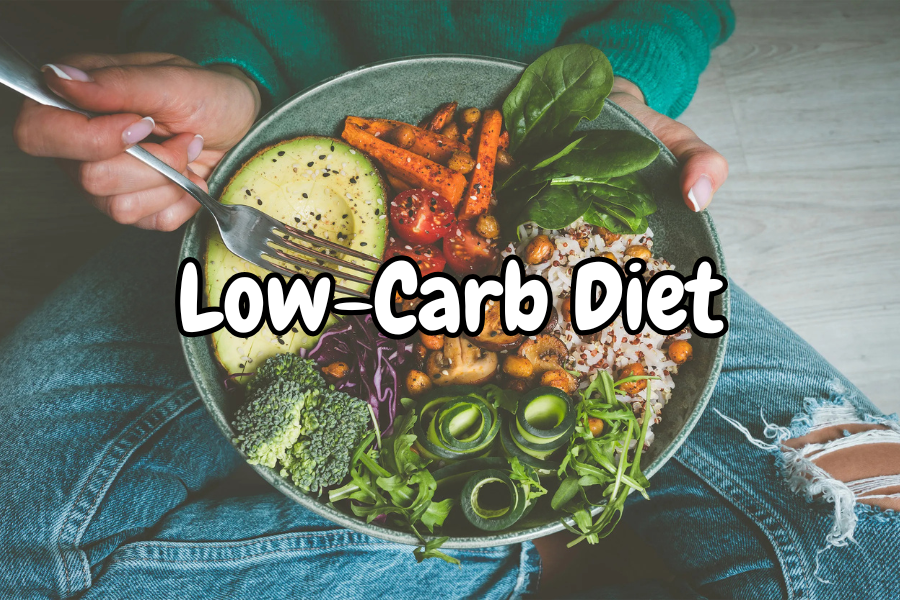
A low carb diet vegetarian plan can absolutely help you lose weight without living on eggs and cheese or counting every calorie. The key is choosing the right kinds of carbs, building your meals around protein and fiber, and keeping things simple enough that you actually want to stick with it.
Below, you will find practical, research-backed tips that make a low carb vegetarian lifestyle easier to start and easier to maintain.
Understand what “low carb” means for vegetarians
If you eat mostly plants, you naturally eat more carbohydrates than someone who eats meat. That does not mean a low carb diet is off limits. It just means your version will likely look a little different.
For many vegetarians, a realistic low carb range is under about 100 grams of carbs per day. Vegans often do better in the 100 to 150 gram range because they skip eggs and dairy, which are naturally low in carbs and high in protein and fat (Healthline). You do not have to hit a perfect number. It is more important that you lower refined and concentrated carbs compared to what you eat now.
Tracking your meals for a week in an app like Cronometer can show you where most of your carbs come from and which swaps will have the biggest impact (Healthline).
Use science to guide your approach
Low carb diets are popular for a reason. Across at least 23 studies, people who cut carbs consistently lost weight without being told to restrict calories. A major reason is that lower carb intake tends to reduce appetite, so you eat fewer calories naturally without feeling as deprived (Healthline).
A low carb pattern can also improve health markers that often travel with extra weight. Research links these diets with lower triglycerides, less harmful belly fat, better HDL (good) cholesterol, and lower blood pressure and blood sugar levels, especially in people with obesity, metabolic syndrome, or type 2 diabetes (Healthline).
At the same time, very low carb diets that heavily restrict fruits, whole grains, and legumes can create nutrient gaps. These foods supply vitamin C, potassium, and fiber that support immunity, digestion, and long term health. Cutting too many of them for too long may lead to deficiencies and digestive issues (Healthy For Life Meals). You get the best of both worlds when you lower carbs from refined sources and still include fiber rich plant foods in sensible portions.
Pick your low carb vegetarian protein staples
Protein is what helps you feel satisfied after a meal. It also protects your muscles when you are losing weight. On a low carb vegetarian diet, you build every meal around a protein source first, then add vegetables and healthy fats.
Helpful options include:
- Eggs, about 6 grams of protein and only 0.6 grams of carbs per cooked egg (Camille Styles)
- Cheese, especially low or zero carb varieties like halloumi, which offers 7 grams of protein and 0 grams of carbs per ounce (Camille Styles)
- Paneer, with around 21 grams of protein and 3.5 grams of carbs per 3.5 ounce serving (Camille Styles)
- Tempeh, about 34 grams of protein and 13 grams of carbs per cup, which is very protein dense for a plant food (Camille Styles)
- Plain Greek yogurt or skyr, preferably unsweetened
- Soy products like firm tofu
- Nuts and seeds, such as almonds, walnuts, chia, and hemp seeds
If you eat eggs and dairy, these become your easiest low carb building blocks. If you are vegan, lean more on tempeh, tofu, and higher fat nuts and seeds, and keep grain based proteins like seitan or high carb legumes in smaller portions.
Swap high carb foods instead of cutting everything
You do not need a fully new menu. You just need smarter versions of what you already like. Instead of focusing on what you are removing, think in terms of replacements.
For example:
- Replace a large bowl of pasta with a smaller serving and double the vegetables and sauce
- Use cauliflower rice or broccoli rice in place of regular rice for most of the bowl
- Swap sugary granola and fruit juice for Greek yogurt with a handful of berries and nuts
- Trade white bread for a smaller portion of dense whole grain bread or a lettuce wrap
- Choose lentils or chickpeas over white rice as a base, then keep the portion modest
Practical low carb vegetarian meals can still feel hearty. Broccoli “fried rice” with eggs or nuts and vegetables is one easy option. Grilled cauliflower “steaks” with a rich sauce like Romesco are another filling, low carb friendly meal (Arizona Gynecology Consultants).
A smart low carb vegetarian plate focuses on plenty of vegetables, a solid protein source, and a smaller amount of minimally processed carbs, not on eliminating whole food groups forever.
Keep fiber high so you feel full
When you lower carbs, it is tempting to cut all grains and many fruits. This is where you risk losing fiber, which supports digestion, a healthy gut microbiome, and stable blood sugar. Low fiber intake is linked with greater inflammation, obesity, and diabetes risk (Healthy For Life Meals).
You can protect your fiber intake while still staying lower carb by prioritizing:
- Non starchy vegetables like leafy greens, broccoli, cauliflower, zucchini, peppers, asparagus, and mushrooms
- Smaller servings of higher fiber fruits such as berries, kiwis, or oranges
- Modest portions of intact whole grains when they fit your plan, like quinoa or barley
Some people do well on a low carb vegetarian plan that still contains generous whole grains and legumes, especially if they follow a lower fat, plant based style of eating. In one NIH study, adults on a low fat, plant based diet that was high in carbs, about 75 percent of calories, ate 550 to 700 fewer calories per day compared to a low carb, animal based diet, and lost more body fat despite taking in more carbohydrates overall (NIH). This highlights that diet quality and appetite control can matter as much as exact carb numbers.
Avoid common low carb vegetarian pitfalls
A low carb diet vegetarian plan can go off track if you slide into a pattern of “all cheese, all the time” or if you cut so many carbs that your energy and mood suffer. A few pitfalls to watch for:
Very low vegetables
If you remove bread, pasta, and grains but forget to increase vegetables, you end up low in fiber, vitamins, and volume. This often shows up as constipation and constant hunger. Non starchy vegetables should be the bulk of your plate.
Too few total carbs for your lifestyle
Your brain uses carbohydrates as a primary fuel. Extremely low carb intake for a long time can lead to fatigue, irritability, mood changes, and trouble concentrating for some people (Healthy For Life Meals). If you feel mentally foggy or exhausted, you may need to bring carbs up slightly, especially around workouts.
Relying heavily on processed low carb products
Bars, shakes, and packaged “keto” snacks are convenient but easy to overdo. They often contain sugar alcohols or additives that upset digestion. Try to make most of your meals from simple whole foods and use packaged items as occasional backups.
Ignoring long term sustainability
Very strict low carb diets can slow your metabolism over time, especially if you are also eating too few calories or doing a lot of high intensity exercise. This metabolic adaptation can make it harder to keep losing weight unless you cut even more or move significantly more (Healthy For Life Meals). A moderate, enjoyable plan that you can maintain will almost always beat a crash approach.
Protect key nutrients on a vegetarian diet
Any vegetarian pattern, low carb or not, requires a bit of planning to cover all your bases. Research highlights a few nutrients to pay extra attention to.
Vitamin B12 is not naturally found in plant foods, so you need either fortified foods or a supplement. Without enough B12, you risk anemia and nerve problems over time (NCBI). Iron, zinc, calcium, and protein are other nutrients that can fall short if your diet is limited or highly processed, especially for children, pregnant people, and older adults (NCBI).
On the positive side, well planned vegetarian diets that limit refined carbs and unhealthy fats and emphasize whole grains, legumes, and vegetables are linked with lower blood pressure, lower LDL cholesterol, healthier blood sugars, and reduced risk of colorectal cancer (NCBI). When you pair that overall pattern with a moderate reduction in carbs, you get many of the benefits of both worlds.
Make low carb weight loss simple day to day
You do not have to overhaul your life to see results. Start with a few small, specific habits you can practice this week:
- Build every meal around a protein source, such as eggs, tofu, tempeh, Greek yogurt, paneer, or cheese
- Fill half your plate with non starchy vegetables at lunch and dinner
- Limit ultra processed carbs like white bread, pastries, candy, sugary drinks, and oversized portions of pasta or rice
- Keep higher fiber, lower sugar snacks on hand, such as nuts, seeds, cut vegetables with hummus, or a boiled egg
- Plan one or two go to low carb vegetarian dinners, like broccoli fried rice with eggs or grilled cauliflower with a hearty sauce, so you are not scrambling when you are tired (Arizona Gynecology Consultants)
If you are managing a condition like diabetes, metabolic syndrome, or a neurological disorder, work with a healthcare professional as you adjust your carb intake. Low carb diets can be especially helpful for these conditions, but any changes in blood sugar or medications should be monitored carefully (Arizona Gynecology Consultants).
Start by changing just one meal today. For example, swap your usual high carb breakfast for scrambled eggs with spinach and feta or tofu scramble with vegetables and avocado. Notice how your hunger and energy feel over the next few hours. Small, consistent shifts like this can turn a low carb diet vegetarian way of eating into a simple, sustainable path to weight loss and better health.
About the Author