Low carb weight loss can feel confusing at first. You hear success stories from friends, then warnings from headlines. The truth sits somewhere in the middle. With a thoughtful plan, a low carbohydrate diet can help you lose weight and improve key health markers, while still feeling satisfied and energized.
Below, you will learn how low carb weight loss actually works, what to eat, what to watch out for, and how to make it sustainable for your real life.
Understand what “low carb” really means
Low carb is not just “eating fewer cookies.” It is a specific way of eating that limits carbohydrates and shifts more of your calories to protein and fat.
According to major health organizations, a typical diet gets about 45 to 65 percent of calories from carbohydrates. A low carb diet reduces that to roughly 26 percent of calories or less, often under 130 grams of carbs per day, and sometimes as low as 20 to 50 grams in a ketogenic approach (Harvard Health Publishing, Mayo Clinic).
You do not have to go straight to extreme carb restriction to see benefits. You can think of low carb as a spectrum:
- Moderate low carb: up to about 100 to 130 grams of carbs per day
- Low carb: often 50 to 100 grams per day
- Very low carb or ketogenic: usually 20 to 50 grams per day, which can lead to nutritional ketosis, a state where your body burns fat and produces ketones for fuel (Cleveland Clinic)
Your ideal spot on this spectrum depends on your health goals, preferences, and how your body responds.
Learn how low carb weight loss works
To use low carb for weight loss effectively, it helps to understand what is happening behind the scenes.
When you cut back on carbohydrates, your body has less glucose available for quick energy. In response, it begins to draw more heavily on stored fat. If your carb intake is very low, roughly 20 to 50 grams per day, your liver turns fat into ketones, which your cells can use for energy. This state is called ketosis (Cleveland Clinic).
Several mechanisms can support weight loss on a low carb diet:
-
Improved appetite control
Protein and fat tend to keep you full longer, so you may naturally eat fewer calories without counting every bite. Research suggests that people on low carb diets often feel more satiated and less prone to overeating than on high carb, low fat diets (Mayo Clinic, Harvard Health Publishing). -
Faster early weight loss
Studies show that during the first 6 to 12 months, low carb diets can lead to more rapid weight loss than some other approaches, in part because of water loss as your body uses stored glycogen and in part because of reduced overall calorie intake (NCBI Bookshelf, Mayo Clinic). -
Better blood sugar and insulin control
With fewer carbs, your blood sugar has fewer sharp spikes, and your insulin needs drop. This can be especially helpful if you have prediabetes or type 2 diabetes and are trying to improve your A1c or even reach remission under medical supervision (NCBI Bookshelf, Harvard Health Publishing).
Over the long term, differences in weight loss between low carb and other diets often shrink. At 12 to 24 months, many studies find only small differences between low carb and low fat approaches (Mayo Clinic). What matters most is whether you can stick with the way you eat.
Compare low carb and keto approaches
You will hear “low carb” and “keto” used almost interchangeably, but there are important differences.
A standard low carb diet limits carbs but still leaves room for fruit, some whole grains, and a wider variety of vegetables. A classic ketogenic diet is much stricter. It usually contains about 70 to 80 percent of calories from fat, 10 to 20 percent from protein, and only 5 to 10 percent from carbohydrates. This typically means fewer than 50 grams of carbs per day, often closer to 20 to 30 grams (Cleveland Clinic).
The ketogenic diet was originally developed in the 1920s to reduce seizures in children with epilepsy. It has since become popular as a weight loss strategy and a performance tool in some athletic circles, because it reliably induces nutritional ketosis (NCBI Bookshelf, Northwestern Medicine).
For you, the key question is not “Which is trendier” but “Which can I realistically maintain”:
- A moderate or standard low carb plan may fit better if you enjoy fruit, beans, or small amounts of whole grains and prefer more flexibility.
- A keto style plan may be an option if you like high fat foods and are comfortable tracking carbs closely, at least for a period of time.
Both can lead to low carb weight loss. The best choice is the one that supports your health and that you can live with day to day.
Weigh the benefits for your health
If you are considering low carb weight loss, you probably care about more than the number on the scale. The research points to several potential benefits when low carb is done thoughtfully.
Weight and body composition
Low carb diets often lead to greater short term weight loss than low fat diets, especially in the first months. Some of that is water, but you can also lose body fat, including deep visceral fat around your organs, while preserving lean muscle if you eat enough protein (NCBI Bookshelf, Cleveland Clinic).
Over time, your results depend more on your overall calorie balance, activity level, and consistency than on any single macro ratio.
Blood sugar and diabetes
If you have type 2 diabetes or prediabetes, low carb eating can be a powerful tool. Studies show that low carb and ketogenic diets can improve glycemic control, reduce the need for insulin or oral medications, lower A1c levels, and in some cases help people reach diabetes remission, defined as maintaining A1c below 6.5 percent without medication for at least three months (NCBI Bookshelf).
Because blood sugar and medication needs can change quickly, you should always work with your healthcare provider if you take diabetes medications and want to try a low carb plan.
Heart and metabolic health
Low carb diets that emphasize healthy fats and lean protein can improve several heart related markers. Research has found:
- Lower triglyceride levels
- Higher HDL or “good” cholesterol
- Mixed effects on LDL cholesterol, which may be neutral or slightly increased, so personal monitoring is important (NCBI Bookshelf, Harvard Health Publishing)
Low carb eating may also help reduce risk factors for heart disease and type 2 diabetes when it leads to sustained weight loss and improved blood sugar control (Mayo Clinic).
Know the risks and limitations
Low carb and keto are not magic, and they are not right for everyone. Understanding the potential downsides helps you make a safer plan.
Short term side effects
If you sharply cut carbs, especially to ketogenic levels, you may notice symptoms in the first days or weeks, sometimes called the “keto flu.” These can include headache, fatigue, irritability, and lightheadedness. They are often related to fluid shifts, electrolyte changes, and the adjustment to using more fat and ketones for fuel (Mayo Clinic, Northwestern Medicine).
Hydration, adequate sodium and electrolytes, and a gradual reduction in carbs instead of an overnight drop can help ease this transition.
Nutrient and fiber gaps
When you minimize grains, beans, and many fruits, you also remove major sources of fiber, certain vitamins, and minerals. Without a plan, you can end up constipated, low in some nutrients, and generally not feeling your best (Mayo Clinic, Harvard Health Publishing).
You can offset this by eating plenty of low carb, high fiber vegetables like leafy greens and cruciferous vegetables, and by choosing nutrient dense whole foods rather than relying on processed low carb products (Healthline).
Heart and kidney concerns
Very high intakes of saturated fat from red meat, butter, and processed meats may increase the risk of heart disease over time. Some experts also raise concerns about very high protein diets and kidney function. Current evidence does not show that high protein intake harms kidneys in people with normal kidney function, but if you already have kidney disease, you need personalized guidance before making major changes (NCBI Bookshelf, Northwestern Medicine).
To protect your heart, you are better off focusing on healthier fats from olive oil, avocado, nuts, seeds, and fatty fish instead of treating “keto” as a free pass for unlimited bacon and butter (Northwestern Medicine).
Long term sustainability
Finally, there is the simple reality of life. Strict ketogenic diets can be hard to maintain in social situations or over many years. Northwestern Medicine experts point out that strict food rules and nutrient gaps can make keto especially challenging in the long term, increasing the risk of weight regain once you relax the rules (Northwestern Medicine).
You may find that a moderate low carb pattern, or a Mediterranean style diet or intermittent fasting that induces mild ketosis without severe carb restriction, is easier to sustain and still delivers meaningful health benefits (Northwestern Medicine).
Low carb works best as a long term eating pattern, not a crash diet. Small, realistic changes usually beat short, extreme efforts.
Choose the right low carb foods
The quality of your carbs, fats, and proteins matters as much as the quantity. You will see far better results if you build your low carb weight loss plan around whole, minimally processed foods.
Focus on proteins that keep you full
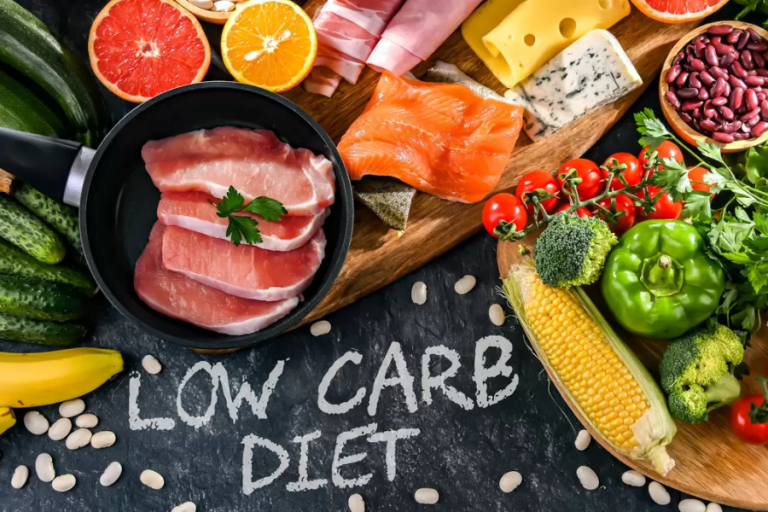
Most animal proteins are naturally very low in carbs, which makes them easy building blocks:
- Poultry such as chicken or turkey
- Fish and seafood, including salmon, sardines, shrimp, and white fish
- Eggs
- Lean cuts of beef or pork
Organ meats like liver contain a bit more carbohydrate, about 4 percent, but can still fit in small amounts (Healthline).
If you prefer more plant based options, you can use tofu, tempeh, and low carb protein powders, and then adjust your total carbs to account for beans or lentils if you include them.
Pick healthy fats instead of just high fats
Low carb does not automatically mean healthy if your plate is full of processed meats and deep fried foods. You will support your heart and your weight loss better with fats such as:
- Extra virgin olive oil for cooking and dressings
- Avocado and guacamole
- Nuts and seeds and their butters, such as almonds, walnuts, chia seeds, and flaxseeds
- Fatty fish like salmon or mackerel, which provide beneficial omega 3 fats (Northwestern Medicine)
You can still include cheese and full fat dairy in moderation, but it helps to remember that some of these foods are very calorie dense and can slow weight loss if portions creep up.
Load up on low carb vegetables
Vegetables are your best insurance policy against nutrient gaps and constipation on a low carb diet. Instead of starchier vegetables like potatoes or corn, focus on:
- Leafy greens such as spinach, kale, and romaine
- Cruciferous vegetables like broccoli, cauliflower, Brussels sprouts, and cabbage
- Zucchini, bell peppers, cucumbers, green beans, and asparagus
These options are low in carbs, high in fiber, and packed with vitamins and minerals (Healthline).
Be strategic with fruit
Fruit is generally higher in natural sugars than vegetables, so if you are keeping carbs low, you may want to limit portions to one or two servings a day. Lower sugar choices like berries, avocados, and olives fit more easily into low carb plans than bananas, grapes, or large glasses of juice (Healthline).
Plan simple low carb meals
You do not need complicated recipes to get started. A basic framework can help you build satisfying low carb meals without overthinking it.
Think in three parts for every plate:
- A palm sized serving of protein
- A generous pile of low carb vegetables
- A serving of healthy fat to make the meal satisfying
Here is how that looks across a day:
- Breakfast: Scrambled eggs cooked in olive oil with spinach and mushrooms, plus a few slices of avocado. Or a veggie omelet with cheese, similar to the low carb breakfast ideas that contain around 11 grams of carbs and 12 grams of protein per serving (Obesity Medicine Association).
- Lunch: Grilled chicken salad with mixed greens, cherry tomatoes, cucumbers, olives, and an olive oil vinaigrette. A more creative option could be zucchini taco boats, which can deliver roughly 300 calories, 15 grams of carbs, and 31 grams of protein per serving (Obesity Medicine Association).
- Dinner: Steak or salmon with roasted broccoli and a side of cauliflower rice. Example low carb dinners that focus on protein plus non starchy vegetables can provide around 350 calories, under 20 grams of carbs, and nearly 50 grams of protein per serving (Obesity Medicine Association).
Snacks can be as simple as a handful of nuts, a cheese stick, celery with peanut butter, or Greek yogurt if it fits your carb budget.
Some clinicians recommend counting total carbohydrates rather than “net carbs” for weight loss, so you are not surprised by hidden calories. They also warn that it is easy to overdo calorie dense foods like cheese and fatty meats, which can stall progress even if your carbs are low. Balancing those foods with plenty of non starchy vegetables helps keep you fuller for fewer calories (Obesity Medicine Association).
Make your low carb plan sustainable
The biggest predictor of your success with low carb weight loss is not how strict you are on day one. It is how you adapt your plan so it fits your life month after month.
You can make that easier by:
- Starting with a realistic carb target instead of the strictest version possible
- Planning a few go to meals that you actually like and can repeat
- Allowing flexibility for special occasions by choosing lower carb options when possible rather than aiming for perfection
- Checking in regularly with how you feel, your lab work, and your weight or measurements, and adjusting as needed
If you ever feel stuck, you can also explore related approaches. A Mediterranean style low carb pattern, or intermittent fasting that creates mild periods of ketosis without severe carb restriction, may offer a more balanced middle ground with strong evidence for long term heart and metabolic health (Northwestern Medicine).
Low carb is a tool, not a rule. You can use it in a way that respects your preferences, your culture, and your health conditions. Start with one or two changes this week, such as swapping refined starchy sides for extra vegetables at dinner, and notice how you feel. Small steps, repeated consistently, are what turn a low carb experiment into lasting results.
About the Author