A carnivore diet can feel simple on paper, but when you actually sit down to plan breakfast, lunch, and dinner, you might suddenly feel stuck. Building a rotation of tasty, satisfying carnivore diet recipes is what keeps you on track, especially when you are using this way of eating to lose weight or improve your health.
Below, you will find practical ideas for every meal, easy batch cooks, and simple flavor upgrades, all built around what the carnivore diet allows: mostly meat, seafood, eggs, and some full fat dairy.
Know your carnivore basics
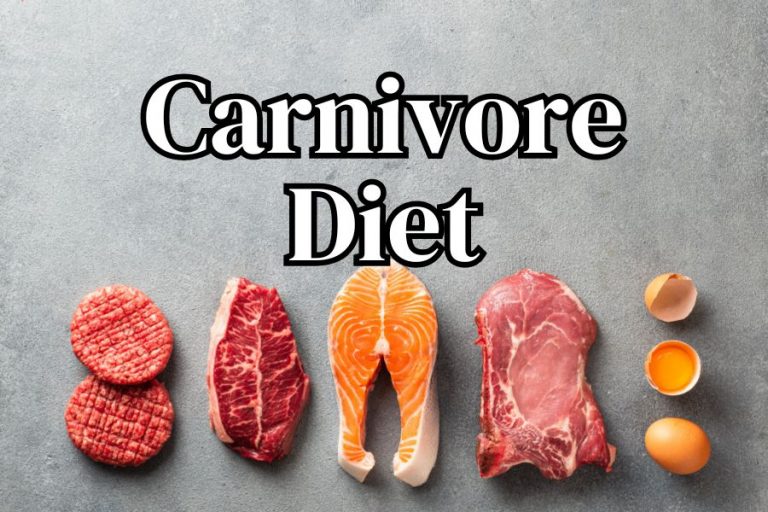
The classic carnivore diet is a mostly meat elimination diet that focuses on animal foods and cuts out plant foods completely. It is especially popular with meat loving keto and primal eaters because it is naturally very low in carbohydrates and emphasizes quality proteins and fats like grass fed, pasture raised meats and wild caught seafood (Primal Kitchen).
Allowed foods typically include:
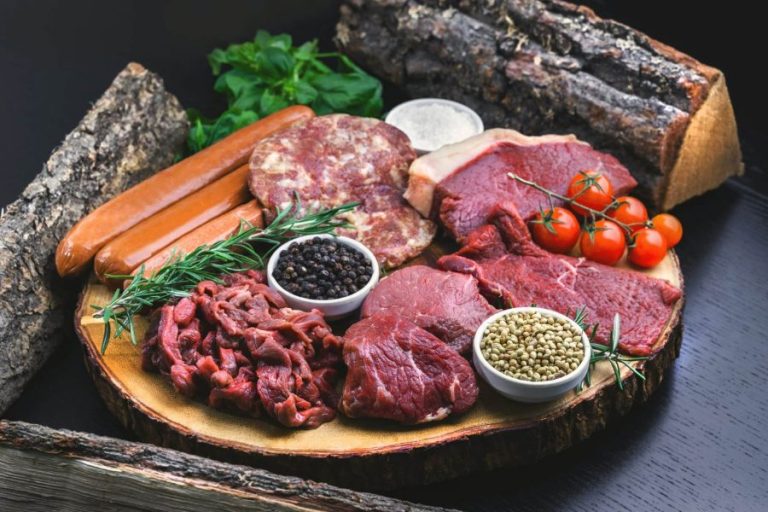
- Red meat such as steak, ground beef, chuck roast, and lamb
- Poultry like chicken and turkey
- Pork including chops, bacon, and ribs
- Fish such as salmon and trout, plus seafood like oysters and clams
- Eggs and full fat dairy in small to moderate amounts, like cheese and yogurt
- Animal fats for cooking such as butter, tallow, and ghee, with basic seasonings like salt, pepper, paprika, cumin, garlic, and chili paste to add flavor (WebMD)
Some versions let you include herbs, spices, condiments, and a small amount of non starchy vegetables, while stricter approaches keep you on only animal products (Primal Kitchen). Knowing where you want to land on that spectrum will help you choose the right recipes.
Stock your kitchen for success
If you want carnivore diet recipes to be easy, you need the right ingredients and tools within reach. You can start by clearing obvious carbohydrate heavy foods from your pantry and fridge and then focus your grocery shopping on meat, poultry, and seafood sections so you are not tempted by old habits (WebMD).
Aim to keep a mix of:
- Quick cook proteins like ground beef, ground pork, and eggs
- Slow cook cuts like chuck roast, pork shoulder, and brisket for batch cooking
- Seafood such as salmon fillets, canned salmon, sardines, and shrimp
- Pantry fats like butter, tallow, ghee, and possibly avocado oil if your version allows it (Primal Kitchen)
Your basic tools do not need to be fancy. A cast iron skillet, a sheet pan, a slow cooker or Instant Pot, and a sharp knife will let you turn almost any cut into a satisfying meal.
Build an easy carnivore breakfast rotation
Breakfast on a carnivore diet tends to center around eggs, meat, and dairy. The key is variety in textures and seasonings so you do not get bored.
Simple everyday breakfasts
Scrambled eggs with turkey or bacon are a classic choice and are specifically highlighted in some carnivore meal examples (WebMD). You can scramble 2 to 4 eggs in butter, then fold in chopped turkey or bacon pieces. A sprinkle of salt and pepper, and breakfast is ready in under 10 minutes.
If you tolerate dairy, you can add:
- Omelets filled with shredded cheese and leftover steak
- Fried eggs cooked in bacon fat, topped with grated hard cheese
- Full fat plain yogurt with a side of crispy bacon if your approach allows limited dairy
You can also lean on sausage patties, burger patties, or leftover steak from dinner. Reheating meat in a bit of tallow or ghee gives you a satisfying start without extra work.
Batch cooked breakfast options
On busy mornings, having ready to grab meals makes a big difference. You might:
- Bake a tray of egg muffins with crumbled sausage and cheese
- Prepare a crustless egg and bacon casserole on Sunday and slice it into portions
- Cook a full pack of bacon at once and refrigerate the leftovers for quick add ons
These kinds of options keep you from grabbing something sugary when you are in a rush.
Enjoy hearty carnivore lunches
Lunch can be as simple as reheating last night’s dinner or assembling a few basics into a plate. The more you embrace leftovers, the less time you spend cooking.
Protein packed plates
Think of your lunch as a protein and fat plate instead of a traditional “meal with sides.” You might put together:
- Grilled chicken thighs with a side of cheddar cubes
- Sliced roast beef with a few hard boiled eggs
- Pork chops cooked in butter finished with a drizzle of melted ghee
Seafood works well here too. Salmon patties, for example, can be made with canned salmon, eggs, and seasonings like dill, and some recipes even include turkey bacon for an extra savory boost (WebMD). You can pan fry them in butter or tallow until crisp on both sides.
Warm, comforting options
If you prefer something warm and cozy midday, you can:
- Simmer a quick beef and egg drop “soup” by whisking eggs into hot beef broth
- Reheat slices of slow cooked chuck roast in their own fat and juices
- Make a simple skillet of ground beef cooked with salt, garlic, and a bit of cheese melted on top
These kinds of meals feel substantial, which can reduce the urge to snack throughout the afternoon.
Make rich, satisfying carnivore dinners
Dinner is often where you want to feel the most satisfied, especially if you are eating fewer meals on a carnivore diet. This is a good time to use richer cuts, slow cooked dishes, and cheesy casseroles.
Simple meat and seafood mains
Classic options like steak and salmon fit perfectly into carnivore diet recipes. Allowed foods include red meats like steak and chuck roast, along with fish such as salmon and trout and seafood like oysters and clams (WebMD). You can:
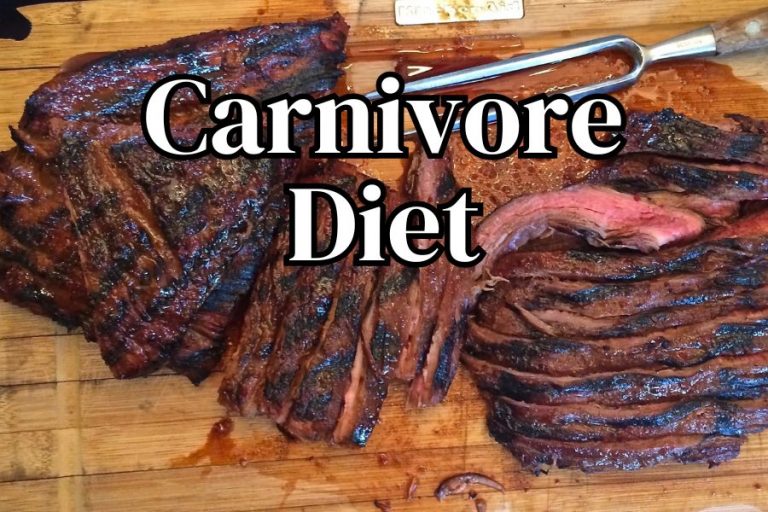
- Sear a ribeye or sirloin in a hot skillet with butter, salt, and pepper
- Roast a whole chicken or a tray of chicken drumsticks
- Pan sear salmon in ghee, then spoon the hot fat over the top to finish
Rotate these through your week so you get a mix of flavors, textures, and nutrients.
Comfort food style casseroles
If you miss traditional comfort dishes, a carnivore chicken casserole can bridge the gap. One example uses rotisserie chicken, cream cheese, sour cream, shredded cheddar, and seasonings, then bakes at 350°F for about 45 minutes (WebMD). You can adapt that template with other meats too.
Basic method:
- Shred cooked chicken or turkey or use browned ground beef.
- Mix with softened cream cheese, a bit of sour cream, and grated cheese.
- Season with salt, pepper, paprika, or garlic if your version allows.
- Spread in a baking dish and bake until bubbly and browned on top.
A pan like this reheats beautifully, so you can cook once and eat twice.
If your goal is weight loss, these high protein, high fat dinners can help you feel full longer, so you naturally reduce snacking and portion sizes without counting calories.
Use nose to tail cuts for variety
One way to keep your carnivore diet recipes interesting and nutrient dense is to go beyond steaks and chicken breasts. Many carnivore friendly meal plans emphasize nose to tail eating, which includes organ meats and bone marrow (Primal Kitchen).
You might experiment with:
- Liver, either pan fried on its own or finely minced and mixed into ground beef
- Bone marrow, roasted and eaten straight from the bone with a sprinkle of salt
- Heart or tongue, slow cooked until tender and sliced thin
These cuts are often more affordable and very nutrient rich. Start small and mix them into familiar recipes if you are unsure about the flavor.
Think about snacks and drinks
While a well planned carnivore diet can reduce your need for snacks, it still helps to have options if you get hungry between meals. The diet emphasizes only animal based products and excludes fruits, vegetables, grains, legumes, nuts, and seeds (WebMD), so snack choices are simple.
You can keep on hand:
- Beef jerky or meat sticks with minimal additives
- Hard boiled eggs
- Slices of cheese or a small bowl of full fat yogurt if you include dairy
- Cold leftover burger patties or meatballs
Coffee and other plant based beverages are generally not allowed on a strict carnivore diet. Some people still choose to include small amounts of coffee or tea and then gradually reduce them over time, for example by slowly weaning off coffee over a month instead of quitting overnight (Primal Kitchen). Decide what works for you and your goals, and adjust gradually so it feels sustainable.
Add flavor without leaving the plan
If you worry that carnivore diet recipes will taste bland, seasonings and condiments can help as long as they fit your version of the diet. Seasonings like salt, pepper, cumin, paprika, chili paste, and garlic are commonly used to add flavor (WebMD).
You can also use:
- Finishing salts like flaky sea salt on steaks
- Compound butter mixed with herbs or garlic if you allow small plant ingredients
- Simple sauces made from butter, pan drippings, and a little cream
Some carnivore friendly products, such as avocado oil based mayo and other keto focused condiments, can also boost flavor if you are following a more flexible plan. For example, one brand suggests using sauces and condiments to enhance carnivore meals and even offers a discount code for their products (Primal Kitchen). Always check ingredients and decide what fits your boundaries.
Plan a simple weekly carnivore menu
To stay consistent, it helps to sketch out a basic weekly plan so you are not guessing at every meal. You can reuse favorites to keep planning easy.
Here is a simple template you could adapt:
- Breakfast: Eggs with turkey or bacon, or an egg and sausage casserole
- Lunch: Leftover steak or chicken thighs with cheese or eggs on the side
- Dinner: Rotating meats like steak, salmon, pork chops, and a chicken casserole
- Snacks if needed: Jerky, hard boiled eggs, cheese, or leftover burger patties
You can mix and match breakfast, lunch, and dinner recipes to create a satisfying rotation. Some resources even provide curated lists of breakfast, lunch, and dinner carnivore recipes designed for exactly this kind of weeklong variety (Primal Kitchen).
Key takeaways
- The core of carnivore diet recipes is meat, seafood, eggs, and some full fat dairy.
- Stocking your kitchen with versatile animal proteins and fats makes daily meals simple.
- A rotation of easy breakfasts, leftover based lunches, and hearty dinners keeps you full and on track.
- Nose to tail cuts like organ meats and bone marrow can add nutrients and variety.
- Snacks, drinks, and seasonings should fit your chosen level of strictness, and you can adjust them gradually.
Start by picking just one or two new recipes, like scrambled eggs with turkey for breakfast and a simple chicken casserole for dinner. Once those feel easy, add a new option each week. Over time, you will build a personal library of carnivore meals that keep you satisfied and aligned with your health goals.
About the Author