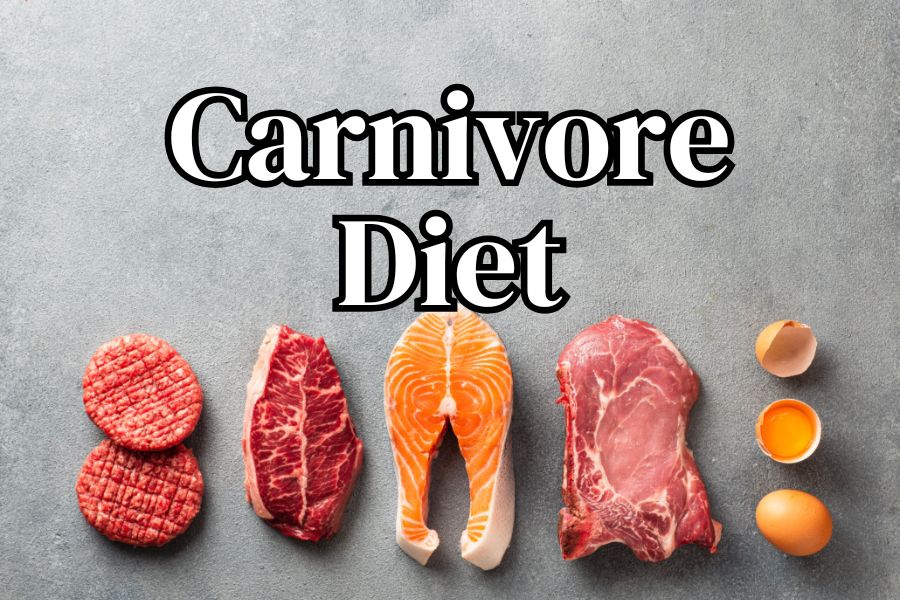
A carnivore diet meal plan focuses almost entirely on animal foods to help you cut carbs, tap into fat for fuel, and potentially lose weight quickly. Instead of juggling macros or counting points, you simplify your plate to meat, fish, eggs, and a few optional extras. This extreme simplicity is part of the appeal, especially if other diets have felt complicated or left you hungry.
At the same time, a carnivore diet is highly restrictive and comes with real health questions. Most nutrition experts do not recommend it as a long-term lifestyle because it removes entire food groups. If you are curious about using a carnivore diet meal plan for weight loss, it is important to understand how it works, what a week might actually look like, and where the benefits and risks show up.
Understand how the carnivore diet works
On a traditional carnivore diet meal plan you eat only animal-based foods. That means plenty of beef, lamb, pork, poultry, fish, eggs, and often organ meats such as liver or oxtail, while cutting out all carbohydrates from fruits, vegetables, grains, nuts, seeds, and legumes (WebMD). Many followers also prefer grass-fed beef, pasture-raised eggs, and wild-caught fish for quality and flavor (Primal Kitchen).
By eliminating almost all carbs, you push your body toward ketosis. In ketosis you burn fat and produce ketones for energy, which can steady your appetite and help you feel full on fewer meals (Chomps). This is similar to a ketogenic diet, but carnivore goes further by excluding even low carb vegetables and plant fats. The keto diet is usually described as less restrictive because it allows some carbs, especially from vegetables, where carnivore aims for zero (Cleveland Clinic).
If you are used to bread, pasta, or sugary snacks, the first week can feel rough. Fatigue, headaches, and irritability are common while your body shifts from burning glucose to burning fat (Chomps). Planning ahead makes that transition easier.
Weigh potential benefits and risks
Fans of the carnivore diet often describe dramatic results. Critics point to missing nutrients and long-term unknowns. Looking at both sides helps you decide whether this approach fits your goals and health history.
Reported benefits
Supporters commonly report several short term changes after starting a carnivore diet meal plan:
- Weight loss and fat loss, likely from ketosis, higher protein intake, and fewer food choices leading to less snacking (Chomps)
- Reduced bloating and inflammation by cutting out refined carbs and ultra processed foods
- Improved mental clarity and stable energy, possibly because ketones provide a steady fuel source for your brain (Chomps)
- Increased strength or muscle maintenance when you combine high protein intake with resistance training
One survey of more than 2,000 adults who followed a carnivore diet for 9 to 20 months found that people self reported lower BMI, more energy, better sleep, and less medication use among some participants with diabetes (Chomps). This is interesting, but it was not a controlled clinical trial, so you should view it as early, low-quality evidence rather than proof.
Known and potential risks
Nutrition and medical organizations are much more cautious about carnivore style eating. Several risks come up again and again in expert reviews:
- Nutrient gaps. Cutting out all fruits, vegetables, whole grains, legumes, nuts, and seeds means fewer sources of vitamin C, fiber, antioxidants, and many phytonutrients. Over time this may raise the risk of digestive issues, heart disease, and some cancers (Cleveland Clinic).
- Zero fiber. Fiber feeds your gut bacteria and supports regular digestion. Without it you may deal with constipation and an unhealthy shift in your microbiome (Inspira Health Network).
- High saturated fat and sodium. Depending on the cuts you choose and how heavily you salt your food, you may increase your risk of high blood pressure, stroke, and kidney strain (Chomps).
- Long term unknowns. Scientific research specifically on the carnivore diet is limited and inconclusive, especially for long term outcomes (Cleveland Clinic).
Most registered dietitians recommend a balanced diet with plant foods and lean proteins, not an all meat approach (Cleveland Clinic, Inspira Health Network). If you have heart disease, high cholesterol, kidney problems, or a history of eating disorders, you should talk with your doctor or a registered dietitian before trying a carnivore diet at all.
See what a simple 7 day plan looks like
If you and your healthcare provider decide a short trial makes sense, a structured carnivore diet meal plan keeps you from guessing at every meal. The menu below takes inspiration from sample plans that focus on fatty cuts of meat, eggs, and fish for fullness and flavor (Chomps, WebMD).
You can adjust portion sizes based on your hunger and activity level. Drink water throughout the day, and add salt to taste unless your doctor has given you a sodium limit.
This sample is for short term educational use and not a personalized nutrition plan. Always check with your healthcare provider before making big diet changes.
Day 1
Breakfast: Steak and eggs cooked in butter or tallow
Lunch: Grilled salmon with a few slices of bacon
Snack: Sardines or hard boiled eggs
Dinner: Ground beef patties with a small serving of cheddar cheese
Day 2
Breakfast: Scrambled eggs with turkey or bacon (WebMD)
Lunch: Leftover ground beef patties with melted cheese
Snack: Beef or meat sticks
Dinner: Ribeye steak cooked in ghee
Day 3
Breakfast: Omelet with eggs, cheddar, and diced chicken
Lunch: Canned salmon patties pan fried in butter (WebMD)
Snack: Pork rinds or leftover salmon
Dinner: Pork chops with bone marrow on the side
Day 4
Breakfast: Bacon and eggs
Lunch: Rotisserie chicken with chicken skin and dark meat
Snack: Hard boiled eggs
Dinner: Oxtail or short ribs slow cooked in broth
Day 5
Breakfast: Omelet with turkey bacon and cheese
Lunch: Grilled burger patties with melted cheese
Snack: Sardines or meat sticks
Dinner: Prime rib or another fatty roast cut
Day 6
Breakfast: Fried eggs cooked in butter
Lunch: Pan seared fatty fish such as salmon or mackerel
Snack: Slices of deli roast beef
Dinner: Chicken thighs with a side of liver or another organ meat for micronutrients (The Primal)
Day 7
Breakfast: Scrambled eggs with cheddar
Lunch: Leftover chicken thighs or roast
Snack: Pork rinds or hard boiled eggs
Dinner: Your favorite steak cut, finished 3 to 4 hours before bedtime to avoid sleep disruption from heavy digestion (The Primal)
This kind of rotation keeps shopping simple while still giving you some variety in flavors and textures. You can rearrange days and repeat your favorites as needed.
Choose foods that support weight loss
Within the rules of a carnivore diet meal plan, your food choices still matter if you want to lose weight rather than just eat a lot of meat.
Favor protein but mind the fat
High protein intake helps preserve muscle while you lose fat, and it keeps you feeling full. That said, the carnivore diet often leans heavily on very fatty cuts, which can make it easy to overshoot your calorie needs if you are not listening to your hunger.
You might experiment with a mix of options:
- Leaner meats such as skinless chicken, turkey, or lean ground beef to moderate calories when you are not very active (WebMD)
- Fatty fish such as salmon or mackerel for omega 3s that support heart health
- Some richer cuts like ribeye, short ribs, or bacon when you know you need extra calories or prefer fewer meals
If you notice that your weight loss stalls, you can gradually swap some of the fattiest cuts for leaner ones while keeping your portions satisfying and your energy stable.
Include organ meats and simple extras
If you decide to try this diet, organ meats are one of the smartest tools you can use. Liver, heart, and kidney are much richer in vitamins and minerals than muscle meats, and they are usually more budget friendly too (The Primal). Including a small serving a few times per week can partly offset the nutrient gaps caused by cutting out plants.
Most versions of the diet also allow:
- Eggs
- Full fat dairy like cheese and yogurt, ideally in moderation if you are sensitive to dairy or watching calories (WebMD)
- Seasonings such as salt, pepper, and basic herbs and spices for flavor (WebMD)
If you are aiming for a stricter version, you might limit dairy and even coffee. Some followers choose to gradually wean off coffee over a month if they want a more traditional carnivore pattern (Primal Kitchen).
Avoid common beginner mistakes
The simplicity of a carnivore diet can be deceptive. Several avoidable mistakes can leave you tired, constipated, or stalled in your progress.
Ignoring electrolytes and hydration
As you drop carbs, your body sheds water and sodium. If you do not replace electrolytes, you may feel weak, crampy, or foggy. Aim to:
- Salt your food to taste
- Drink plenty of water
- Consider mineral rich broths or an electrolyte supplement with sodium, magnesium, potassium, and calcium, especially in the first weeks (The Primal)
Eating too little or too rarely
It can be tempting to combine carnivore with extreme intermittent fasting. Some people do well with one meal a day, but many feel stressed, hungry, and sleep deprived. A more moderate rhythm of at least two meals per day with a 16 to 18 hour fasting window often supports energy and nutrient intake better (The Primal).
Pay attention to how you feel. If you are cold, lightheaded, or obsessing about food, you may need more calories or an extra meal.
Expecting it to solve everything
Finally, remember that a carnivore diet is not a cure all. Advocates may promise protection against many chronic diseases, but current scientific research on long term outcomes is limited and inconclusive (Cleveland Clinic, Inspira Health Network). If you try this meal plan and notice side effects, or if weight loss becomes your only focus, that is a signal to step back and talk with a professional.
Decide if a carnivore plan fits you
A simple carnivore diet meal plan can feel like a reset. You cut out processed foods, rely on whole animal products, and may see rapid weight changes. For a short, supervised trial, this structure might help you understand how your body responds to very low carb eating.
At the same time, the lack of plants, fiber, and variety makes it a poor fit for many people, especially as a long term lifestyle. If you are curious, consider:
- Talking with your doctor or a registered dietitian first, especially if you have existing health conditions
- Using a 1 to 2 week test window instead of committing indefinitely
- Watching closely for digestion changes, energy levels, mood, and lab markers if you continue
In the end, the best meal plan is one that moves you toward your goals while still feeling sustainable and safe. A carnivore approach is one option, but it is not the only path to weight loss or better health.
About the Author