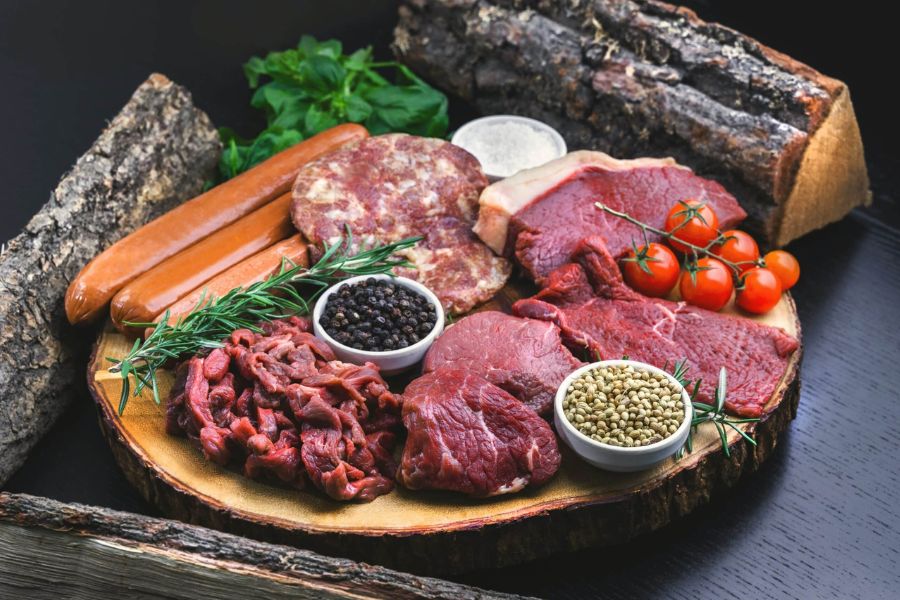
A carnivore diet sounds simple on paper. You eat only animal foods like beef, chicken, fish, eggs, and some dairy, and you cut carbs close to zero. For you, the appeal probably lies in the potential benefits of carnivore diet plans that promise weight loss, less inflammation, and better focus. Some people do report impressive changes, but the full picture is more complex than social media highlights suggest.
Below, you will learn what research and experts actually say about the benefits of the carnivore diet, where those benefits might come from, and which tradeoffs you need to think about before you commit.
Understand what the carnivore diet is
On a carnivore diet, you eat only animal based foods. Typical staples include beef, pork, poultry, fish, eggs, animal fats like tallow or butter, and sometimes organ meats. Non starchy dairy such as cheese or heavy cream may be allowed in small amounts, depending on the version you follow.
You avoid all carbohydrates completely. That includes fruits, vegetables, grains, legumes, nuts, seeds, and anything with sugar. Compared with other low carb approaches like keto or Atkins, carnivore takes the no carb idea to the extreme by cutting plant foods entirely as noted by Cleveland Clinic in 2023 (Cleveland Clinic) and University Hospitals in 2025 (University Hospitals).
Supporters often argue that this way of eating is closer to how your ancestors ate and that your body can thrive on animal foods alone. Critics point out that it removes whole food groups that normally provide fiber, vitamins, minerals, and protective plant compounds.
Notice the potential weight loss benefits
If your main goal is to lose weight, the carnivore diet can look very attractive. Many people report losing weight quickly when they switch to an all meat approach, and a 2021 survey of 2,029 carnivore followers found that 69 percent reported improvements in conditions related to excess weight and blood sugar (British Heart Foundation).
Several factors seem to contribute to this:
You naturally eat fewer calories. By cutting out cookies, cakes, pastries, candy, soda, and other highly processed carbohydrates that pack a lot of calories and added sugars, you remove many foods that tend to encourage overeating. Baylor Scott & White notes that this is one clear advantage of the carnivore diet in terms of reducing nutrient poor foods in your day (Baylor Scott & White).
You feel full on protein and fat. Animal foods are rich in protein and fat, which can keep you satisfied for longer. The British Heart Foundation highlights that weight loss on carnivore style diets likely comes more from this high protein satiety and the elimination of high calorie processed foods than from ketosis alone (British Heart Foundation).
You tend to snack less. With limited food choices and few obvious snack options, you may find it easier to avoid mindless nibbling. As a result, you can move into a calorie deficit, which is essential for fat loss.
You rely more on fat for fuel. Because your carb intake is almost zero, your body shifts to burning fat for energy. Baylor Scott & White describes the carnivore diet as one of the most ketogenic versions of low carb eating because carbohydrate intake is practically eliminated, something that can encourage your body to burn stored fat for fuel (Baylor Scott & White).
All of this can translate into noticeable short term weight loss, especially if you previously ate a higher calorie, ultra processed diet.
Explore how it may affect inflammation and pain
A big part of the conversation around the benefits of carnivore diet choices centers on inflammation. Many followers say that joint pain, bloating, skin issues, and even autoimmune symptoms improve when they switch to all animal foods.
Several possible mechanisms are at play here:
You cut major inflammatory triggers. By definition, you remove sugar, refined carbs, processed foods, trans fats, and seed oils, which are all common drivers of chronic inflammation. A 2023 article from CarnivoreSnax notes that the carnivore diet naturally eliminates many of these triggers that are widespread in the modern American diet (CarnivoreSnax).
You may remove individual food irritants. Some of your symptoms might be tied to specific carbohydrates or plant compounds, even if you have never been formally diagnosed with food sensitivities. Camarata Chiropractic points out that for some people, fermentable fibers, lectins, oxalates, and other plant based irritants can aggravate IBS, autoimmune flares, bloating, or joint pain. By cutting these out, a carnivore diet may reduce gut stress and calm inflammation in those cases (Camarata Chiropractic).
You stabilize blood sugar. Big swings in blood sugar and insulin can feed inflammation as well. Carnivore style eating leads to very stable blood sugar because you are not taking in sugar or starch. Camarata Chiropractic notes that this stability can be especially useful if you live with insulin resistance, metabolic syndrome, chronic fatigue, or inflammatory joint pain (Camarata Chiropractic).
You increase some anti inflammatory nutrients. Animal foods, especially fatty fish and some grass fed meats, are rich in omega 3 fatty acids, vitamin B12, iron, and other nutrients that support immune balance and muscle recovery. CarnivoreSnax highlights research linking low carbohydrate, animal based diets to reductions in certain inflammation markers and notes the anti inflammatory potential of some animal fats and omega 3s (CarnivoreSnax).
Anecdotally, many people do report milder joint and muscle pain, fewer digestive problems, and calmer autoimmune symptoms once they switch to carnivore style eating, although the CarnivoreSnax article emphasizes that more high quality research is needed to confirm how widely these effects apply (CarnivoreSnax).
Consider the impact on mental clarity and mood
You may also hear about the benefits of carnivore diet patterns for brain health, focus, and even serious mental health conditions. Some supporters describe profound changes in mood and cognition after removing all plant foods.
Psychology Today reports that the Carnivore Diet is gaining attention for possible mental health benefits, with some individuals describing resolution of chronic psychiatric symptoms after switching to an all meat way of eating (Psychology Today). These reports suggest that carnivore diets can cause rapid shifts in brain and body chemistry that feel positive for some people.
Several explanations have been proposed:
You stabilize energy levels. When your blood sugar no longer spikes and crashes based on carb intake, you may notice steadier energy and fewer afternoon slumps. The British Heart Foundation notes that protein and fat tend to create lower blood sugar spikes than carbohydrates, which may help reduce blood sugar levels in the short term and contribute to clearer thinking and fewer cravings (British Heart Foundation).
You reduce potential brain irritants. If your brain is sensitive to particular food components like gluten or certain plant compounds, cutting them out might ease brain fog, headaches, or mood swings. University Hospitals mentions that some people with specific health conditions notice symptom relief because carnivore eliminates common allergens and irritants such as gluten and some dairy components (University Hospitals).
You may influence the gut brain axis. Camarata Chiropractic suggests that by reducing gut irritation and calming the immune system, the carnivore diet could potentially lower inflammation that affects the nervous system. That may help stabilize cortisol and other stress hormones and, in turn, impact mood and mental clarity (Camarata Chiropractic).
It is important to understand that much of this evidence is still anecdotal. Psychology Today notes that while emerging discussions highlight the nutritional differences between plant and animal foods and how they may affect the brain, these ideas are still developing and not backed by large, long term clinical trials yet (Psychology Today).
If you take psychiatric medications or other prescription drugs, you should always work closely with your healthcare provider before making major dietary changes. Psychology Today emphasizes that a carnivore diet can significantly affect medication levels, dosages, and side effects, particularly during the first month or two of adaptation (Psychology Today).
Look at blood sugar and metabolic health changes
If you live with prediabetes, type 2 diabetes, or metabolic syndrome, the benefits of carnivore diet approaches may seem especially appealing. A zero carb pattern like this can dramatically change how your body handles blood sugar.
Registered dietitians and clinicians point out several potential positives:
You reduce blood sugar spikes. With essentially no carbohydrate to break down into glucose, your blood sugar levels remain more stable across the day. The British Heart Foundation notes that consuming mostly protein and fat on carnivore style diets usually leads to lower blood sugar spikes compared with carbohydrate rich meals (British Heart Foundation).
You may improve insulin sensitivity. University Hospitals describes the carnivore diet as an extreme keto approach that can be effective for rapid weight loss and for improving markers related to insulin resistance due to the very low carbohydrate intake and higher fat and protein consumption (University Hospitals).
You often see short term improvements in lab markers. A survey published in Current Developments in Nutrition and highlighted by the British Heart Foundation found that among the 2,029 carnivore diet followers surveyed for at least six months, 95 percent reported better overall health and many reported improvements in blood pressure and blood sugar. However, results were self reported and not verified by medical tests, which limits how far you can generalize them (British Heart Foundation).
For some people, these shifts can feel life changing in the short term. Yet it is still unclear how safe and sustainable such a strict pattern is over many years, especially with regard to heart health, kidney function, and nutrient status.
If you live with diabetes or take medications that affect blood sugar, you should only try a carnivore style diet under close medical supervision so your provider can adjust doses safely.
Weigh the tradeoffs and long term risks
So far the benefits of carnivore diet approaches can sound like exactly what you have been looking for. At the same time, you need to keep the full risk profile in sight before you switch.
Major healthcare organizations urge caution:
You risk nutrient deficiencies. By eliminating fruits, vegetables, whole grains, legumes, nuts, and seeds, you cut out major sources of fiber, vitamin C, folate, potassium, magnesium, and plant based antioxidants. Experts quoted by Cleveland Clinic and St. Vincent’s Medical Center warn that this restrictive pattern can lead to nutritional deficiencies over time because you are excluding entire food groups that are typically critical for balanced nutrition (Cleveland Clinic, St. Vincent’s Medical Center).
You may raise heart and cancer risk. High intakes of red and processed meat have been associated with greater risks of heart disease and colon cancer in many studies. St. Vincent’s Medical Center notes that a no carb, all meat pattern can increase LDL cholesterol and contribute to higher risks of heart disease, digestive issues, kidney stress, and colon cancer due to the lack of fiber and heavy red meat intake (St. Vincent’s Medical Center). The British Heart Foundation also points out that while carnivore can be rich in anti inflammatory omega 3s from oily fish, these potential benefits are offset by regular intake of processed and red meat, which has been tied to increased inflammation and cardiovascular risk (British Heart Foundation).
You remove protective plant compounds. Plant foods provide phytonutrients that help your body fight oxidative stress and inflammation. Completely removing them may leave you more vulnerable in the long term, even if you feel good initially.
You may struggle with digestion. The lack of fiber can lead to constipation and other digestive complaints over time. While some people experience a calmer gut on carnivore, others find it challenging.
You face sustainability challenges. Baylor Scott & White and University Hospitals both stress that the carnivore diet is extremely restrictive and hard to maintain for most people, especially in social situations or over years of everyday life. They also point out that long term data on safety is still limited, so experts recommend talking with a healthcare professional before starting and considering more balanced options for sustainable health and weight management (Baylor Scott & White, University Hospitals).
St. Vincent’s Medical Center even suggests that instead of going fully carnivore, you might do better with the MyPlate approach, which encourages filling half your plate with vegetables and the rest with a mix of protein and carbohydrates for a well rounded, sustainable way to manage your weight and health (St. Vincent’s Medical Center).
Decide how to use carnivore insights in your own life
If you are intrigued by the benefits of carnivore diet living but unsure about the risks, you do not have to make an all or nothing decision.
You can:
- Use carnivore as a short, supervised elimination phase to identify whether certain foods or food groups trigger your symptoms, then gradually reintroduce carefully.
- Apply the principles without going all the way, for example by cutting ultra processed foods and sugar, increasing protein and healthy fats, and prioritizing whole foods.
- Work with a knowledgeable healthcare provider or dietitian to monitor labs, nutrient status, and symptoms if you decide to try a stricter version.
Some people do experience quick weight loss, more stable blood sugar, and subjective improvements in pain and mental clarity on a carnivore diet, as the research and reports above show. At the same time, experts warn that there are real tradeoffs in terms of nutrition, heart and colon health, and long term sustainability.
If you choose to explore it, go in with clear eyes, realistic expectations, and professional support. Use what works for your body, let go of what does not, and aim for an eating pattern you can imagine living with comfortably for years, not just weeks.
About the Author