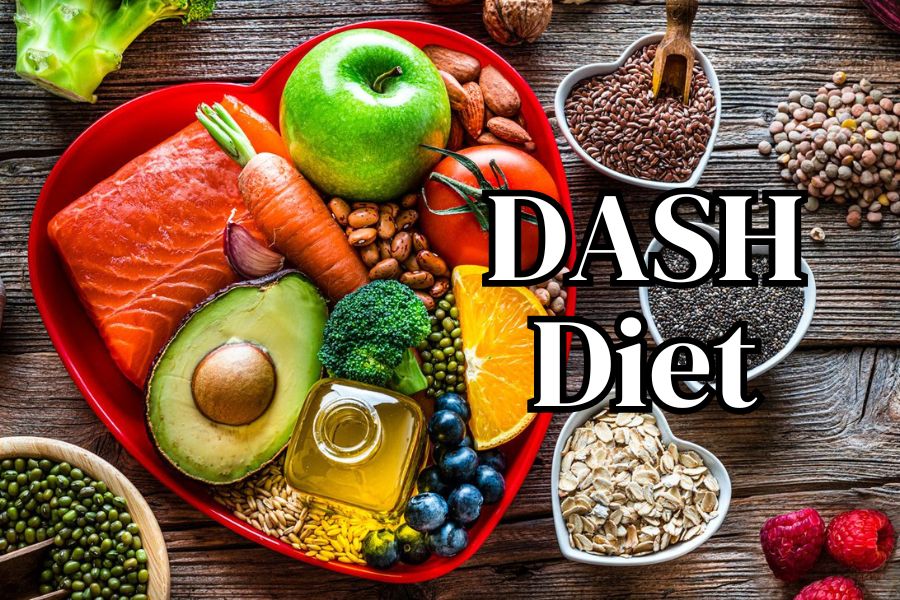
A dash diet plan can do more than lower your blood pressure. With a few tweaks, you can turn it into an everyday way of eating that supports weight loss, better energy, and long‑term heart health without feeling like you are “on a diet.”
The key is to understand the basics of the DASH diet, then shape the plan around your tastes, schedule, and budget so it fits your real life instead of disrupting it.
Understand what the DASH diet really is
DASH stands for Dietary Approaches to Stop Hypertension. It was specifically designed to help prevent and treat high blood pressure, and it is one of the most researched eating patterns you can follow.
According to the National Heart, Lung, and Blood Institute, the DASH eating plan provides daily and weekly nutritional goals based on a 2,000 calorie diet. It does not require special foods, instead it focuses on what your plate looks like over the course of a day and a week (NHLBI).
At its core, a dash diet plan:
- Emphasizes vegetables, fruits, and whole grains
- Includes fat free or low fat dairy, beans, nuts, fish, and poultry
- Limits sodium, added sugars, and saturated fat
The Mayo Clinic notes that the DASH diet is rich in potassium, calcium, magnesium, protein, and fiber, all of which support healthy blood pressure and heart health (Mayo Clinic).
Know why you are following a DASH diet
You will find it easier to stick with the DASH diet if you are clear on what you want it to do for you.
Research funded by the National Heart, Lung, and Blood Institute has shown that the DASH diet can:
- Lower blood pressure, especially when you also cut back on sodium
- Improve cholesterol levels
- Support weight loss when paired with calorie awareness and physical activity
- Reduce the risk of type 2 diabetes and heart disease over time (NHLBI)
In the original DASH trial of 459 adults, people who followed the DASH diet lowered their blood pressure more than those who ate a typical American diet and saw meaningful changes within 8 weeks (NHLBI).
If your main goal is weight loss, it helps to think of the DASH diet as your nutrition framework. You still need an overall calorie level that makes sense for you, but the DASH pattern fills those calories with foods that keep you fuller, more satisfied, and better nourished.
Get familiar with basic DASH serving goals
You do not need to weigh and measure every bite, but having a rough target makes planning a lot easier. For a 2,000 calorie dash diet plan, the Mayo Clinic outlines daily and weekly serving ranges, such as:
- Grains, ideally whole: several small servings spread across meals
- Vegetables: multiple servings per day
- Fruits: multiple servings per day
- Fat free or low fat dairy: a few servings per day
- Lean meats, poultry, and fish: modest portions
- Nuts, seeds, and legumes: a few times per week
The exact number of servings depends on your calorie needs. The NHLBI provides worksheets and tools to help you compare your current eating habits to DASH targets and to understand serving sizes that match your goals (NHLBI).
If that sounds like a lot of math, you can start simpler. Aim to fill half your plate with vegetables and fruit at most meals, choose a palm sized serving of protein, and keep higher sodium, heavily processed foods as occasional extras.
Adjust the DASH diet to your sodium needs
Sodium is a key part of making a dash diet plan work for blood pressure and heart health.
The standard DASH diet sets a sodium limit of up to 2,300 milligrams per day, which is about one teaspoon of table salt. A lower sodium version reduces that to 1,500 milligrams per day, which provides even greater benefits, especially if you already have high blood pressure (Mayo Clinic).
The DASH Sodium trial found that combining the DASH diet with a sodium intake as low as 1,500 milligrams per day led to the largest drops in blood pressure, particularly in people who started with higher readings (NHLBI).
Instead of slashing salt overnight, you might find it easier to:
- Cut back on very salty processed foods first, such as chips, fast food, and canned soups
- Rinse canned beans and vegetables before using them
- Flavor food with herbs, citrus, vinegar, garlic, and spices instead of relying on salt
- Gradually buy lower sodium versions of your usual sauces and condiments
Mayo Clinic recommends reducing salty and processed foods gradually. This gives your taste buds time to adjust, which makes it easier to prefer a lower sodium pattern in the long run (Mayo Clinic).
Build a realistic day on the DASH diet
To fit a dash diet plan into your life, think in terms of meals and snacks that you can repeat and mix.
Here is one example of what a simple, realistic DASH friendly day might look like:
- Breakfast: Oatmeal cooked with low fat milk, topped with berries and a small handful of nuts
- Morning snack: Carrot sticks and hummus
- Lunch: Brown rice bowl with black beans, grilled chicken, mixed vegetables, and salsa
- Afternoon snack: A piece of fruit and a small container of yogurt
- Dinner: Baked salmon or roasted chickpeas, roasted potatoes, and a large side salad with olive oil and lemon
The Mayo Clinic provides sample three day menus based on a 2,000 calorie DASH diet if you want more ideas for how to get started or how to structure different meals throughout the week (Mayo Clinic).
You do not need to copy any template exactly. Use examples as a starting point, then swap in foods you like, that you can afford, and that you have access to.
A helpful rule of thumb: if most of what you are eating in a day is vegetables, fruits, whole grains, beans, lean proteins, nuts, and low fat dairy, and you are keeping salty and sugary processed foods in check, you are already close to a DASH pattern.
Make the DASH diet work for weight loss
If you want to use a dash diet plan to lose weight, you do not have to count every calorie, but you do need some structure.
You can start by:
- Choosing mostly whole, minimally processed foods that are naturally filling
- Paying attention to portion sizes, especially for grains, oils, and higher calorie snacks
- Limiting sugary drinks and alcohol, which add calories without much fullness
The PREMIER clinical trial, which followed 810 participants, found that people who combined the DASH diet with counseling and increased physical activity saw the largest drops in blood pressure and more weight loss over 6 months compared with advice alone (NHLBI).
That means you will likely get the best results if you pair your dash diet plan with regular movement. Even daily walks can make a meaningful difference when you are also improving what is on your plate.
Fit the plan around your schedule and preferences
A dash diet plan is more likely to stick if it reflects how you actually live. Instead of aiming for perfection, focus on making the DASH principles show up in your typical week.
If you are busy or often on the go
You might not have time to cook everything from scratch. You can still follow DASH by:
- Keeping ready to eat produce on hand, like baby carrots, cherry tomatoes, prewashed greens, and frozen vegetables
- Choosing low sodium canned beans, tuna, and soups as quick protein options
- Building simple “template” meals, such as grain + bean + vegetable + dressing bowls you can assemble in minutes
If you have a family or share meals
You do not have to cook separate meals for everyone. Many DASH friendly dishes are simply basic home cooked meals with a few tweaks.
For example, you can:
- Serve tacos with whole grain tortillas, black beans, extra vegetables, and a lighter hand on cheese
- Make pasta dishes with more vegetables in the sauce and a smaller portion of noodles
- Offer fruit for dessert most nights, and keep richer sweets for occasional treats
If you have specific dietary needs
The core of the DASH diet is flexible. If you avoid dairy, you can get calcium from fortified plant milks, tofu, beans, leafy greens, and nuts. If you rarely eat meat, you can rely more on beans, lentils, soy products, and nuts for protein.
The OmniHeart study found that modifying the DASH diet by substituting some carbohydrates with either protein or unsaturated fats led to even better blood pressure and cholesterol results compared to the original DASH pattern (NHLBI). That means you can work with your healthcare provider or dietitian to tailor the mix of carbs, protein, and fats based on your preferences and health goals while staying within the DASH framework.
Plan for real life slipups and social occasions
No eating plan exists in a vacuum. You will have holidays, celebrations, travel days, and occasionally just a long, tiring week.
Instead of aiming to “never break” your dash diet plan, it helps to:
- Decide in advance which foods are truly special and worth enjoying mindfully
- Keep your usual DASH habits at other meals that day so one rich meal does not turn into a full week off track
- Focus on portion control when foods are saltier or higher in sugar, and add vegetables wherever you can
If you have a restaurant meal coming up, you can choose options that are naturally closer to DASH guidelines, such as grilled or baked entrees, vegetable sides, and dishes with tomato or herb based sauces instead of very creamy or heavily salted options.
Take small, steady steps and use support
You do not have to transform your entire way of eating in one week. The NHLBI emphasizes that the DASH eating plan is about choosing foods that collectively support lower blood pressure and heart health over time, not about perfection at every meal (NHLBI).
You might find it helpful to:
- Start with one meal, such as making your lunches DASH aligned this week
- Add one more serving of vegetables or fruit per day until you reach your target
- Gradually replace highly processed snacks with nuts, yogurt, or fresh produce
If you have high blood pressure, diabetes, kidney disease, or other medical conditions, it is wise to talk with your healthcare provider or a registered dietitian before making big changes. They can help you decide which version of the dash diet plan, including sodium level and calorie range, is best for your situation.
Key takeaways
- The dash diet plan is a flexible, research backed way of eating that supports lower blood pressure, weight control, and heart health
- It centers on vegetables, fruits, whole grains, low fat dairy, lean proteins, beans, nuts, and seeds, while limiting sodium, added sugars, and saturated fat (NHLBI; Mayo Clinic)
- You can tailor DASH to your calorie needs, taste preferences, cultural foods, and schedule so it becomes a realistic long term pattern
- Gradual sodium reduction and pairing the diet with regular physical activity can boost benefits for both blood pressure and weight loss (NHLBI)
Try making just one DASH inspired change today, such as adding a vegetable to your usual dinner or swapping a salty snack for fruit and nuts. These small, consistent shifts are what turn the dash diet plan into a sustainable way of eating that works with your life instead of against it.
About the Author