A few small changes to how you eat each day can make the DASH diet work for both weight loss and better health. You do not need complicated rules or a perfect plan to get started. You only need to understand the basics of dash diet weight loss and then put a few simple habits into practice.
The DASH diet was originally designed to lower high blood pressure, but research now shows it can also support steady, realistic weight loss by focusing on fruits, vegetables, whole grains, low fat dairy, and lean protein while keeping salt, sugar, and saturated fat in check (Live Science). That combination helps your heart, your waistline, and your long term health at the same time.
Understand how the DASH diet supports weight loss
Before you change anything on your plate, it helps to know why the DASH diet can help you lose weight.
The DASH eating pattern is naturally lower in calories than a typical Western diet because it centers on whole, minimally processed foods. You eat more fiber rich produce and whole grains, which keep you full longer, and fewer high calorie, low nutrient items like sugary snacks and fast food.
A review of multiple studies found that people following the DASH diet lost about 3.1 pounds over 8 to 24 weeks, reduced their BMI, and trimmed their waist size compared with other diets, with even greater benefits in people who were overweight or obese (Live Science). That might sound modest, but it reflects realistic, sustainable progress rather than crash dieting.
The standard DASH plan is set around 2,000 calories per day and includes roughly 6 to 8 servings of whole grains, 4 to 5 servings of fruits and vegetables, and 2 to 3 servings of low fat dairy, along with small amounts of lean meat or poultry (Live Science). For weight loss, you adjust that calorie level down slightly based on your age, sex, activity level, and health needs (MedlinePlus).
Focus on what to eat more of
It is easy to think of the DASH diet as a list of foods you are not allowed to have, but the real power comes from what you add.
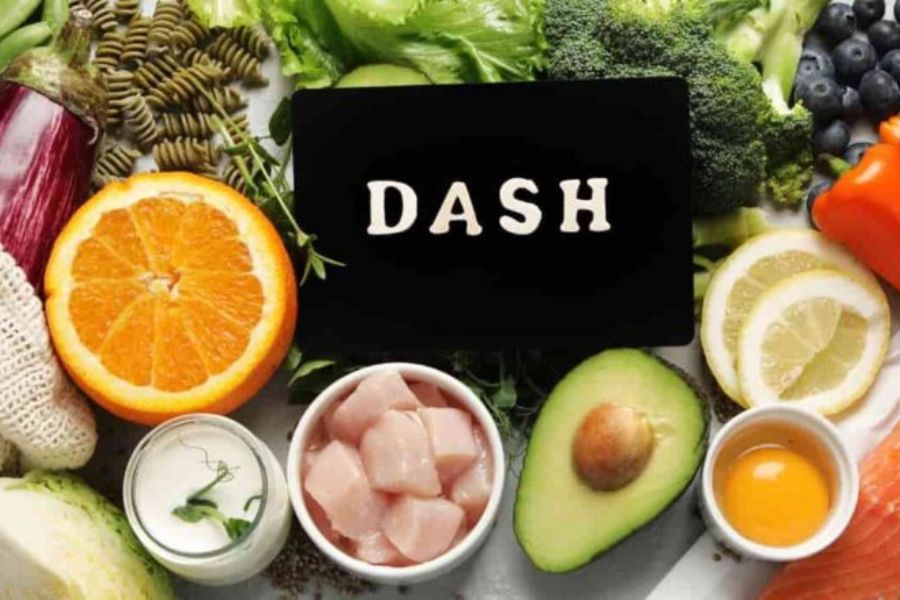
The DASH plan encourages foods high in potassium, calcium, magnesium, and antioxidants, especially bright, colorful fruits and vegetables like beets, broccoli, sweet potatoes, and berries. These nutrients help combat oxidative stress and support lower blood pressure, which indirectly supports weight loss and heart health (Live Science).
In a typical day, that might look like:
- Oatmeal with berries and a small handful of nuts
- A large salad loaded with vegetables and a serving of beans or grilled chicken
- A snack of low fat yogurt or a fruit smoothie made with nonfat yogurt
- A dinner plate that is at least half vegetables, plus a small portion of whole grains and lean protein
Plans based on the DASH diet often range between 1,200 and 3,100 calories per day, tailored to your personal needs (MedlinePlus). You do not have to count every calorie, but keeping portions realistic and filling your plate with fiber rich foods will make it easier to stay within a healthy range without feeling hungry.
Cut back on salt the manageable way
Sodium is a major focus of DASH. Lower salt intake helps control blood pressure, and it also nudges you toward less processed food, which usually means fewer empty calories.
The DASH plan typically recommends limiting sodium to either 2,300 milligrams per day or, for some people, 1,500 milligrams per day (MedlinePlus). Instead of trying to hit that perfectly from day one, you can make a few targeted changes:
Start by noticing where most of your salt actually comes from. For many people it is not the salt shaker, it is processed snacks, cured meats, canned soups, and takeout meals. When you swap these for home cooked versions or lower sodium options, your intake can drop quickly.
To keep food flavorful while reducing salt, season with herbs, spices, citrus, garlic, and vinegar instead. If you consider using salt substitutes or potassium based seasonings, talk with your healthcare provider first, especially if you have kidney issues or take certain medications, because extra potassium may not be safe for everyone (MedlinePlus).
Tame added sugars without feeling deprived
Even though the DASH diet is best known for blood pressure and sodium, sugar reduction plays a role in dash diet weight loss too.
When you regularly drink soda, sweetened coffee, or juice drinks, or snack on pastries and candy, you take in a lot of calories that do not fill you up. The DASH approach encourages you to limit these and get your sweetness from fruit most of the time.
You can start with one simple habit: replace at least one sugary drink per day with water, sparkling water, or unsweetened tea. If you like desserts, try cutting the portion in half or enjoying them less often. When you cook or bake, you can often reduce the sugar in recipes and rely more on spices like cinnamon or small amounts of honey or other sweeteners instead of large amounts of refined sugar (Live Science).
Those changes may not feel dramatic, but over the course of weeks and months they can significantly lower your daily calorie intake without strict rules.
Use vegetables as the main event
One of the most powerful, and practical, DASH strategies for weight loss is to make vegetables the star of your plate instead of a small side.
Izzy, a 60 year old clerk, followed the DASH eating plan for two years and lowered her blood pressure to about 110 to 115 over 60 to 65 while losing weight and keeping it off (Alberta Health Services, Kaiser Permanente). A big part of her success was building meals around vegetables.
She often ate a large plate of raw cauliflower, broccoli, radishes, cucumbers, carrots, and tomatoes as the main part of her lunch, with smaller amounts of other foods around it (Alberta Health Services, Kaiser Permanente). You can adapt that idea in your own way:
- Fill at least half your plate with non starchy vegetables at lunch and dinner
- Keep washed, cut vegetables at eye level in your fridge so they are easy to grab
- Use vegetables in soups, stir fries, sheet pan meals, and salads so you get volume and fiber without many calories
By making vegetables your default base, you naturally eat fewer high calorie foods without counting or tracking every bite.
Keep low fat dairy and lean protein in the mix
The DASH diet is not low protein, and it does not avoid dairy entirely. Instead, it guides you toward leaner versions that provide nutrients without too much saturated fat.
Low fat dairy foods such as nonfat yogurt, low fat milk, and reduced fat cheese supply calcium and protein that support bone health and satiety. Izzy made sure to get three servings of low fat dairy every day, often through low fat mozzarella sticks and fruit smoothies made with nonfat vanilla yogurt (Alberta Health Services, Kaiser Permanente).
For protein, lean poultry, fish, beans, lentils, and tofu are all DASH friendly. When these foods appear in moderate portions alongside plenty of vegetables and whole grains, you get a balanced plate that keeps you satisfied for hours, which makes it easier to stick with your calorie goals.
Build in flexibility so you can stick with it
A strict plan that leaves you feeling deprived usually backfires. One reason the DASH diet works well for long term weight loss is that it is flexible and can fit almost any eating style.
The National Heart, Lung, and Blood Institute describes DASH as a plan that is suitable for people who eat meat, as well as vegetarians, vegans, or those who are gluten free, because you can choose foods within each category that match your needs (MedlinePlus). You can also increase your fiber gradually if you are not used to a high fiber diet to avoid stomach discomfort while your body adjusts (MedlinePlus).
Izzy did not give up her favorite foods completely. She still enjoyed nachos occasionally, just in smaller portions, and that flexibility helped her keep the weight off without feeling like she was on a never ending diet (Alberta Health Services, Kaiser Permanente).
You can follow the same idea. Instead of banning foods, decide which ones you want to enjoy less often, in smaller amounts, and which ones you want to eat daily. That mindset makes DASH feel more like a lifestyle than a temporary plan.
A useful way to think about the DASH diet is “more of the good, a bit less of the not so good,” rather than “good” and “bad” foods.
Pair DASH eating with realistic movement
What you eat is only part of the dash diet weight loss picture. Physical activity helps you burn more calories, maintain muscle mass, and support heart health.
Guidelines that are often paired with the DASH plan recommend at least 30 minutes of moderate intensity activity most days of the week to support heart health and weight loss, and about 60 minutes per day to help prevent weight gain over time (MedlinePlus). Moderate intensity can be brisk walking, cycling at an easy pace, or even active chores that raise your heart rate slightly and make you breathe a bit faster.
You do not have to start with long workouts. You might begin with a 10 minute walk after meals, some gentle stretching, or a short dance break at home. As your fitness improves, you can add more minutes or increase the intensity. When combined with a DASH style eating pattern, that movement helps tilt the energy balance steadily in your favor.
Take your first simple step today
You do not need to overhaul your entire pantry to get benefits from the DASH diet. Pick one or two small, specific changes you can make today and build from there.
You could:
- Add one extra serving of vegetables to your next meal
- Swap a sugary drink for water or unsweetened tea
- Choose a low sodium option instead of a highly processed snack
- Walk for 10 to 15 minutes after dinner
Over time, these simple choices can add up to lower blood pressure, better energy, and gradual, sustainable weight loss. If you have chronic health conditions or take medications, check in with your healthcare provider before making large changes, especially related to sodium and potassium. With a bit of planning and a flexible mindset, the DASH diet can become an approach you feel comfortable following for years, not just weeks.
About the Author