A paleo-style approach can be a powerful tool in your weight loss journey, but it comes with trade-offs you should understand before you dive in. By focusing on whole, minimally processed foods and cutting back on refined carbohydrates, the paleo diet benefits your metabolism, appetite control, and overall diet quality. At the same time, it can be restrictive and may not be right for everyone in the long term.
Below, you will see how the paleo diet works, how it can support weight loss and health, and what to watch out for so you can decide whether it fits your life.
Understand what the paleo diet really is
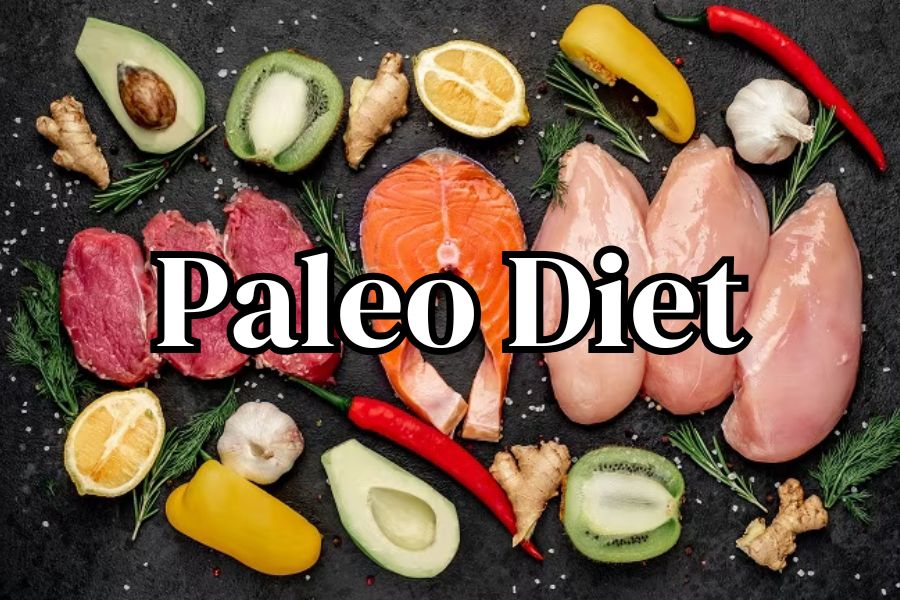
At its core, the paleo diet is built around foods that resemble what hunter-gatherers might have eaten. You focus on fruits, vegetables, lean meats, fish, eggs, nuts, and seeds, and you avoid grains, legumes, dairy, and most processed foods introduced through farming and modern food manufacturing. The idea is that these simple, whole foods match your biological and genetic programming and may be easier for your body to handle than highly processed choices (Mayo Clinic, Monte Nido).
On a typical paleo plan, about 30% of your calories come from protein, about 40% from fats, mainly unsaturated, and around 30% from carbohydrates, mostly from vegetables and fruits (Harvard T.H. Chan School of Public Health). This alone marks a big shift if you are used to a high-carb, low-protein pattern.
You do not have to eat exactly like a cave-dweller to benefit, but understanding the basic structure helps you see why this way of eating can influence your weight and health.
See how paleo diet benefits support weight loss
When you are looking for weight loss, you usually want three things. You want to feel full on fewer calories, keep your blood sugar steady, and lose fat instead of muscle. Several features of the paleo diet line up with those goals.
Higher protein supports fullness and muscle
A paleo pattern is naturally high in protein from meat, fish, eggs, and sometimes seafood. Higher protein intake can:
- Keep you full for longer after meals
- Reduce cravings and late night snacking
- Help you maintain or build muscle while you lose fat
A meta-analysis of 21 randomized controlled trials with 700 adults found that a Paleolithic diet significantly reduced body weight by an average of 5.8 kg and BMI by 2.1 in the short term. In longer term studies, people lost around 8.7 kg, and waist circumference dropped by about 12.1 cm, with results that were generally stronger than those seen with other healthy diets (PMC – NCBI). These numbers suggest that the combination of higher protein and fewer empty calories can be effective for changing your body composition.
Fewer refined carbs steady your blood sugar
Another key paleo diet benefit is the reduction in refined carbohydrates and added sugars. You cut out sugary drinks, white bread, sweets, and highly processed snacks. Instead, you get most of your carbs from vegetables and some fruit.
This shift can improve markers of carbohydrate metabolism. The same meta-analysis found that the Paleolithic diet improved fasting plasma glucose, fasting insulin, and insulin resistance (HOMA-IR), especially in the short term, compared with control diets. These benefits were also seen in longer term follow-up (PMC – NCBI).
Better blood sugar control often translates to more stable energy, fewer crashes, and less overeating driven by spikes and dips in glucose.
Whole foods naturally cut excess calories
Even without counting calories, a plate filled with vegetables, lean protein, and healthy fats tends to be more satisfying than one filled with refined carbs and added sugar. The paleo diet encourages nutrient dense, whole fresh foods that are lower in added salt, sugar, and unhealthy fats, which can improve your overall dietary quality (Harvard T.H. Chan School of Public Health).
In several short term randomized trials, people following a paleo diet lost more weight, reduced waist circumference, lowered blood pressure, and improved cholesterol compared with those on diets based on national nutrition guidelines, although these studies were small and typically lasted 6 months or less (Harvard T.H. Chan School of Public Health).
Explore additional health benefits beyond weight
Weight loss is only one part of the picture. You may also be looking for better blood pressure, improved cholesterol, or reduced disease risk. Research suggests that the paleo diet can offer several potential health benefits, at least in the short to medium term.
Heart and metabolic health markers
Paleo style eating has been associated with improvements in blood fat levels and blood pressure. The meta-analysis of 21 randomized controlled trials reported statistically significant reductions in total cholesterol and LDL cholesterol in the short term, along with meaningful drops in systolic and diastolic blood pressure compared with control diets. Heart rate did not change significantly (PMC – NCBI).
In a two year randomized trial of 70 postmenopausal Swedish women with obesity, a paleo diet produced greater fat loss at 6 months and significantly larger reductions in triglyceride levels at both 6 and 24 months compared to a Nordic Nutrition Recommendations diet (Harvard T.H. Chan School of Public Health). Those improvements in triglycerides and body fat can support long term cardiovascular health if you can maintain them.
A large observational study of young adults in Spain also found that adherence to a paleo style diet was linked with lower cardiovascular risk factors, which researchers attributed in part to reduced intake of highly processed foods and higher intakes of fruits and vegetables (Mayo Clinic).
Possible benefits for blood sugar regulation
If you have prediabetes or type 2 diabetes, you may be especially curious about paleo diet benefits for blood sugar control. By drastically cutting refined carbohydrates and many high glycemic foods, the paleo diet usually helps keep blood sugar levels lower. Registered dietitian Melissa Joy Dobbins notes that this is because you are simply eating far fewer foods that raise blood sugar in the first place (Everyday Health).
Some individuals with type 2 diabetes report impressive short term improvements within weeks, such as better blood pressure, improved cholesterol, more stable blood sugars, and in some cases reduced need for diabetes medication. However, these are personal reports, and clinical evidence is more limited (Everyday Health).
A 2020 systematic review and meta-analysis of four randomized controlled trials, involving adults with altered glucose metabolism, found no significant differences between Paleolithic diets and other healthy diets for fasting glucose, fasting insulin, insulin resistance, or HbA1c over at least 12 weeks (PMC). That means a well designed non paleo diet can perform just as well in those markers, so paleo is not the only effective option.
If you have diabetes or use insulin or blood sugar lowering medications, it is essential to talk with your doctor before you make major changes. Some people can temporarily reduce or stop insulin use with better blood sugar control, but this effect is not always permanent, and medication adjustments should always be supervised by a health professional (Everyday Health).
Gut health and inflammation
A paleo pattern typically increases your intake of vegetables and fiber compared to a very processed diet, which can support gastrointestinal health and lower overall inflammation, according to a summary by the National University of Natural Medicine (NUNM). More non starchy vegetables, fruits, and nuts bring in a variety of fibers and phytonutrients that your gut bacteria can use.
At the same time, research on long term strict paleo eating suggests that completely excluding grains and dairy can reduce your intake of resistant starch, a type of fiber that is important for bowel health. In a 2020 Australian study, people who followed strict or pseudo paleo diets for more than a year consumed significantly less resistant starch than controls. They also had higher levels of trimethylamine N oxide (TMAO), a gut derived metabolite linked to cardiovascular risk, and a higher abundance of TMA producing bacteria. TMAO levels and these bacteria were inversely associated with whole grain intake (PMC).
Interestingly, this study did not find significant differences in fecal short chain fatty acids, which are beneficial compounds produced by gut bacteria, but it did highlight a potential downside of cutting out whole grains entirely.
Weigh the downsides and potential risks
Along with its benefits, a paleo diet has real limitations and possible risks, especially if you follow it strictly for a long time. Understanding them helps you make more informed choices.
Nutrient gaps from food group exclusions
By design, the paleo diet excludes entire food groups like cereal grains, legumes, and dairy. Those foods are important sources of fiber, B vitamins, iron, magnesium, selenium, and calcium. They also contribute to blood sugar control, lower cholesterol, and reduced risk of chronic disease (Monte Nido, Mayo Clinic).
Without whole grains and legumes, your total fiber intake, especially resistant starch, may be lower than recommended, which can affect your gut and heart health over time. Limited or no dairy can lead to deficiencies in calcium and vitamin D if you do not replace them carefully, which matters for bone health (Monte Nido).
Saturated fat and red meat concerns
Depending on how you structure your meals, a paleo diet can be relatively high in saturated fat and red meat. Some people interpret paleo as a license to eat large amounts of fatty cuts of meat and processed meats like bacon, which is very different from a more balanced paleo approach built around lean meats, fish, vegetables, and nuts.
High intake of saturated fats and red meat has been associated with increased risks of heart disease, kidney disease, bowel cancer, and elevated LDL cholesterol. One review noted that saturated fat intake on some versions of the paleo diet can reach up to 50 grams per day, which is much higher than the roughly 13 grams per day often recommended (Monte Nido). Long term observational data from Australia also found that paleo diet followers had higher total cholesterol, body weight, and BMI, despite some claims about better gut health (PMC).
You can reduce this risk by prioritizing lean meats, poultry, fish, and plant based fats like olive oil, avocado, nuts, and seeds rather than relying heavily on red meat.
Practical challenges and long term adherence
Eating paleo can be resource intensive. You spend more time buying fresh, often local foods and cooking from scratch, and you may see higher grocery bills, especially if you lean on organic options. NUNM points out that this diet also works best together with a physically active lifestyle, which is not always realistic for everyone. If you are vegetarian or vegan, the exclusion of legumes makes it particularly challenging because it removes a key protein source for you (NUNM).
The restrictive nature of the plan itself can make it hard to follow for years. Harvard experts note that more long term high quality studies are needed to confirm whether the diet offers unique health benefits over time, and many people may find it difficult to stick with such strict rules indefinitely (Harvard T.H. Chan School of Public Health).
Decide if paleo fits your lifestyle
Before you commit fully, it helps to look at the bigger picture. Many of the paleo diet benefits, such as weight loss, better blood pressure, and improved cholesterol, can also come from other balanced eating patterns that include whole grains, legumes, and dairy. The Mayo Clinic notes that a generally healthy lifestyle, including regular exercise and a diet rich in fruits and vegetables, can provide similar benefits without excluding major food groups (Mayo Clinic).
You might decide that a modified, flexible paleo approach works best for you. That could mean:
- Focusing on whole, minimally processed foods most of the time
- Prioritizing vegetables, fruits, lean proteins, and healthy fats
- Including small amounts of whole grains, legumes, or yogurt if they agree with you
If you have existing health conditions like diabetes, high cholesterol, kidney disease, or osteoporosis, talk with your healthcare provider or a registered dietitian before making significant changes. Some people clearly thrive on a paleo style pattern, while others do better with a more inclusive approach. Your ideal ratio of meat to carbohydrate rich foods is individual, and monitoring your cholesterol and blood sugar as you adjust your diet is a smart step (NUNM).
Put paleo principles into practice for weight loss
If you decide to use paleo diet benefits to boost your weight loss journey, start with practical, sustainable steps instead of an all or nothing overhaul.
You might begin by:
- Swapping refined grains for vegetables at one meal per day
- Replacing sugary snacks with fruit and a handful of nuts
- Choosing lean poultry or fish instead of processed meats
- Cooking one or two simple paleo style dinners each week
As you get comfortable, you can gradually expand these habits. Pay attention to how you feel, how your clothes fit, and any changes in your energy, sleep, or digestion. Then, work with your healthcare team to track objective markers like weight, blood pressure, cholesterol, and blood sugar.
The most important part is not perfection. It is finding a way of eating that you enjoy, that fits your life, and that you can keep doing long enough for the paleo diet benefits, or any diet benefits, to really show up in your health.
About the Author