A paleo diet can feel like a big change, especially when you are already dealing with an autoimmune disease. The good news is that many of those changes are deeply satisfying. You are focusing on real food, fewer triggers, and meals that help you feel more energized and less inflamed. When you look at paleo diet and autoimmune disease together, you are really looking at a way to lower stress on your immune system and support your body from the inside out.
Below, you will see how paleo and the more targeted Autoimmune Protocol (AIP) work, which healthy changes you can actually look forward to, and how to try them in a realistic way.
Understand paleo diet and autoimmune disease
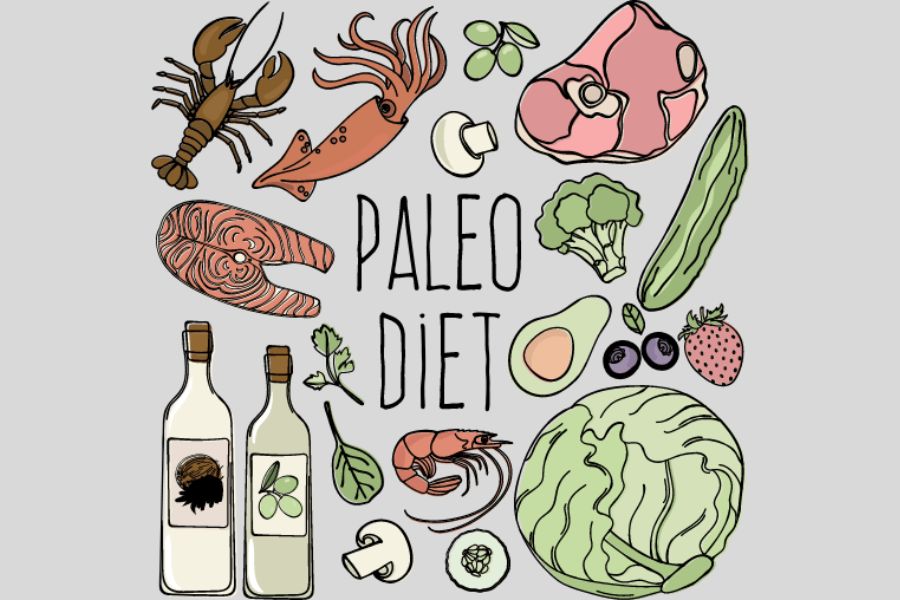
Paleo eating centers on whole, minimally processed foods like meat, fish, vegetables, fruits, nuts, and healthy fats. Grains, legumes, refined sugar, industrial seed oils, and most processed foods are off the table. When you have an autoimmune disease, this way of eating can help calm some of the chronic inflammation that keeps symptoms flaring.
Several lines of research suggest that ancestral style eating patterns may be helpful for autoimmune thyroid disease, including Hashimoto thyroiditis and Graves disease. A 2023 review of Paleolithic style interventions found clinical improvements in all included studies, and in a few cases even resolution of autoimmune thyroid disease when an ancestral diet was paired with supplements, exercise, and stress management techniques like mindfulness meditation (PubMed).
You will notice a pattern across these studies and protocols. When you remove highly processed foods and focus on nutrient dense ingredients, your immune system gets fewer inflammatory signals and more of the building blocks it needs to function in a balanced way.
See how AIP builds on paleo
If paleo is a general roadmap, the Autoimmune Protocol is the zoomed in version that focuses directly on autoimmune symptoms. The AIP diet starts with the same whole food foundation as paleo but then temporarily removes extra foods that are more likely to irritate your gut or trigger your immune system.
On AIP you avoid grains, legumes, dairy, processed foods, industrial seed oils, and refined sugar, just like paleo. In addition, you eliminate nuts, seeds, eggs, nightshade vegetables, coffee, and alcohol during the initial phase, usually for 30 to 90 days (Green Chef, NCBI – Metabolism Open). This stricter phase gives your gut a chance to heal and your immune system time to quiet down.
Clinical trials in conditions such as Hashimoto thyroiditis, inflammatory bowel disease, and rheumatoid arthritis have found that AIP can improve quality of life and reduce disease related symptoms, although the evidence is still early and not every marker, such as thyroid hormone levels, improves in every study (NCBI – Metabolism Open). That is one reason why it is important to treat AIP as a structured experiment, not a permanent way of eating.
Learn the two main AIP phases
Thinking of AIP as a two phase process will help you stay grounded and avoid the feeling that you are giving up favorite foods forever.
Phase 1: Elimination
In the elimination phase, you remove foods that are most likely to irritate your gut or trigger your immune system. That includes:
- Grains and legumes
- Dairy and processed foods
- Nightshades like tomatoes, peppers, and eggplant
- Eggs and egg whites, which contain lysozyme that can cross the gut barrier and provoke an immune response in susceptible people (The Paleo Diet)
- Nuts, seeds, coffee, and alcohol
This phase typically lasts 30 to 90 days, which is long enough to let immune reactions settle. One practitioner notes that immune responses to a trigger food can take around 23 days to drop by half (Dr. Emily Parke).
During this time you fill your plate with vegetables, excluding nightshades, high quality meats and fish, fermented foods, fruits, and gut supporting options like bone broth (Dr. Emily Parke, Mindd).
Phase 2: Reintroduction
After the elimination period, you begin adding foods back in slowly and intentionally. You reintroduce one food at a time and watch for symptom changes, such as increased fatigue, joint pain, digestive upset, or skin flares. This is how you build your personal food list rather than relying on general rules (Green Chef, Mindd).
The reintroduction phase is where you regain flexibility. Some people discover they tolerate eggs or certain nightshades quite well, while others feel better keeping them out most of the time. The aim is to land on the least restrictive diet that still keeps your symptoms manageable.
Enjoy the healthy changes you will notice
When you look closely at paleo diet and autoimmune disease, you are not just removing foods, you are trading them for positive changes that can feel surprisingly good in day to day life.
More steady, natural energy
By dropping refined sugar and ultra processed foods, your blood sugar tends to stay more stable. That means fewer sharp highs and lows and often less of that mid afternoon crash. Many people on AIP or paleo style plans report feeling more consistent energy and less fatigue after a few weeks, especially when autoimmune flares have been a constant battle (Green Chef, Nourish).
Calmer digestion
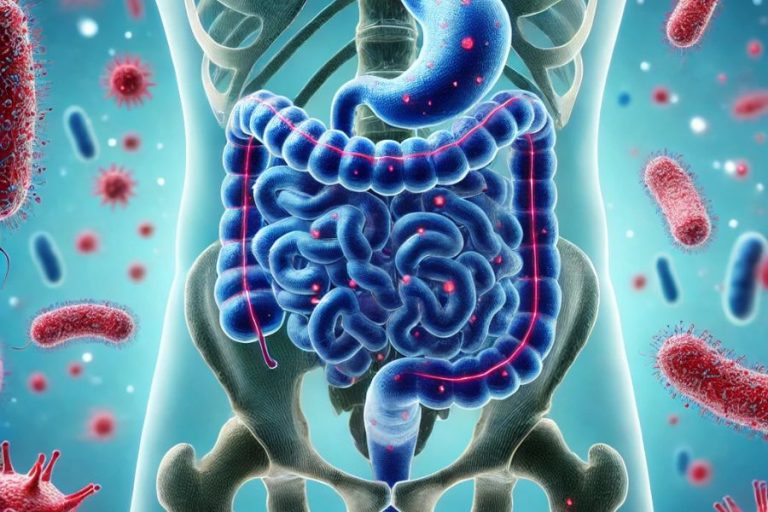
Autoimmune diseases and gut issues often go hand in hand. AIP is designed specifically to reduce gut inflammation and help the intestinal lining heal, which may be especially helpful in conditions like inflammatory bowel disease or celiac disease (Mindd, Green Chef). In a 2023 overview, people with inflammatory bowel disease who followed AIP style changes reported better bowel movement frequency and improved quality of life within about three weeks (Nourish).
As you fill your plate with fiber rich vegetables and fruits and reduce irritants, you may notice less bloating, less urgency, and a more predictable routine.
Less joint and muscle pain
If you live with rheumatoid arthritis or other inflammatory conditions, the idea of less pain is a powerful motivator. Several AIP studies describe reductions in systemic inflammation and better symptom control, which often shows up as fewer painful joints, less stiffness, and more comfortable movement (Dr. Emily Parke, NCBI – Metabolism Open).
Even if pain does not disappear, many people describe a shift from constant flare to a more manageable baseline. That alone can give you more freedom to walk, exercise gently, or simply get through your day without being completely drained.
Clearer food patterns and triggers
One of the most empowering changes is finally understanding which foods work for you. Because the AIP approach has a deliberate reintroduction phase, you may start to see clear patterns. Maybe tomatoes reliably flare your joint pain or eggs are fine but dairy is not.
Over time, this clarity makes eating easier, not harder. You are no longer guessing or trying every new trend. You understand your own boundaries and you can choose when to be strict and when a small exposure might be worth it.
Use paleo and AIP to support weight loss
If weight loss is one of your goals, paleo and AIP can support it in a way that feels less like dieting and more like nourishment. By cutting out refined carbs and processed snacks, you lower your overall calorie intake almost automatically, especially when you replace them with protein, vegetables, and healthy fats.
Protein rich foods such as meat and fish help you feel full longer, which can reduce mindless snacking. Whole vegetables and fruits provide volume and fiber, so your meals still feel satisfying. Some people also notice fewer emotional or stress related cravings when blood sugar is more stable.
It is worth remembering that if you have an autoimmune thyroid condition, such as Hashimoto thyroiditis, weight loss can be more complex. That same 2023 review of Paleolithic diets for autoimmune thyroid disease reported improvements in thyroid antibodies and hormone profiles when ancestral foods were combined with supplements, movement, and mindfulness practices (PubMed). Better thyroid balance can make weight management feel less like pushing a boulder uphill.
Plan your meals around what you can eat
AIP and paleo can feel restrictive at first if you only think about what is off limits. Shifting your focus to what you can enjoy makes the process more sustainable.
Base most meals around:
- Non starchy vegetables like leafy greens, broccoli, cauliflower, carrots, and squash
- Moderate amounts of fruits, especially berries and other colorful options
- High quality animal proteins such as poultry, beef, lamb, and fatty fish like salmon or sardines
- Healthy fats from olive oil, coconut products, avocado, and animal fats if you tolerate them
- Fermented foods like sauerkraut or unsweetened coconut yogurt for gut support
If you are in the elimination phase of AIP, you will skip nuts, seeds, eggs, coffee, and nightshades for now, and you can experiment with them later during reintroduction (Mindd, NCBI – Metabolism Open).
A simple example day could include a breakfast of leftover roasted vegetables with ground turkey, a lunch salad with mixed greens and grilled chicken, and a dinner of baked salmon with roasted carrots and a side of sauerkraut.
Watch for nutrient gaps and side effects
Because AIP is stricter than standard paleo, it is important to be realistic about its limitations. The same 2024 review that highlighted symptom improvements also flagged potential nutrient deficiencies in people who followed AIP, especially in folate, vitamin B12, riboflavin, vitamin D, and calcium (NCBI – Metabolism Open). That is one reason professional guidance is strongly recommended.
If you have a condition like ileal strictures, a very high fiber AIP plan might even cause digestive complications, so you need individualized adjustments (NCBI – Metabolism Open). There is also the social side. Eating a very restricted diet for long periods can feel isolating and hard to maintain.
Working with a registered dietitian who understands autoimmune health can help you avoid these common pitfalls, maintain a balanced nutrient intake, and tailor the plan to your medical history (Nourish).
Think of AIP as a focused trial, not a permanent sentence. The goal is to gather information about your body so you can loosen the rules later without losing the progress you have made.
Decide if paleo and AIP are right for you
Paleo diet and autoimmune disease research is promising but still developing. Some people experience dramatic relief, while others see more modest gains. What is consistent across many studies is that moving toward whole, minimally processed foods and reducing common irritants can improve quality of life for many autoimmune conditions (Green Chef, Mindd, NCBI – Metabolism Open).
You are more likely to benefit if:
- You are willing to prepare simple meals at home most of the time
- You can commit to at least 4 to 8 weeks of consistent effort
- You have medical supervision, especially if you take medications or have complex conditions
If a full AIP protocol feels too intense right now, you can still start small. Try removing ultra processed snacks and sugary drinks, or swap refined grains for extra vegetables. Even partial changes that lower inflammation and stabilize blood sugar can help you feel more in control.
Begin with one or two changes this week, notice how you feel, and build from there. Over time, you may find that the healthy changes that come with paleo and autoimmune focused eating are not just manageable, they are changes you actually enjoy living with.
About the Author