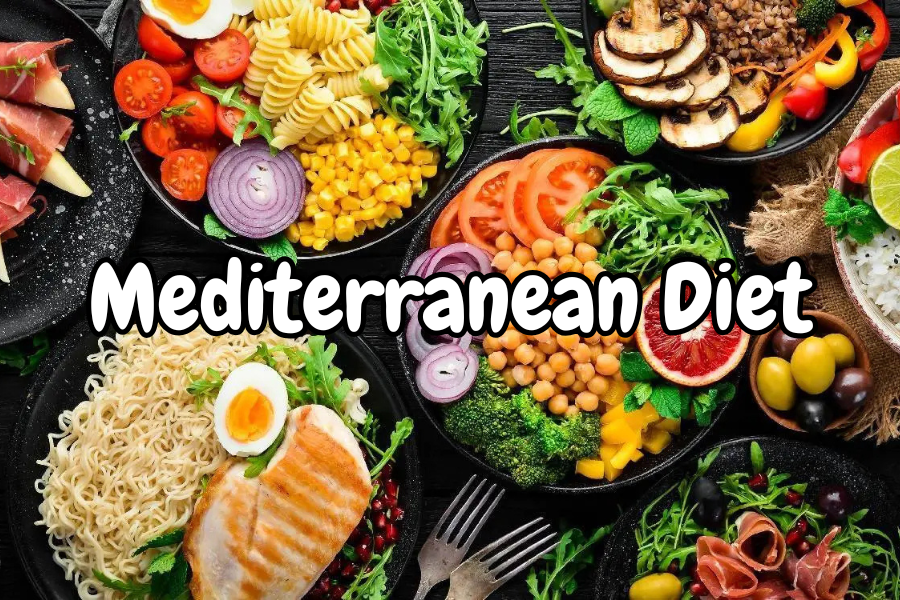
A Mediterranean diet shopping list can be your shortcut to eating better without feeling like you are on a diet. Instead of counting calories, you focus on stocking your kitchen with colorful produce, hearty whole grains, healthy fats, and simple proteins that support steady weight loss and long-term health. With the right ingredients on hand, you can throw together satisfying meals in minutes instead of scrambling at dinnertime.
Below, you will build a practical, flexible Mediterranean diet shopping list that fits your routine. Use it as a base, then customize it to your tastes, budget, and dietary needs.
Understand the Mediterranean diet basics
The Mediterranean diet is inspired by the traditional eating patterns of countries around the Mediterranean Sea. It highlights whole, minimally processed foods, lots of plants, and rich but healthy fats like extra virgin olive oil, rather than strict rules or short-term restrictions. According to the Cleveland Clinic, the foundation is vegetables, fruits, whole grains, legumes, nuts, and seeds, with extra virgin olive oil as the main source of fat.
You still eat protein, but you shift your emphasis. Seafood and plant-based proteins are encouraged, while red meat and sweets are limited. The Mediterranean diet pyramid also promotes variety and flexibility over perfection, which makes it easier to maintain for years, not just weeks (The Mediterranean Dish).
If your goal is weight loss, this pattern helps because it fills your plate with high fiber, nutrient-dense foods that keep you full and satisfied. You are not cutting out food groups, you are simply choosing ingredients that work with your body instead of against it.
Set up your Mediterranean pantry staples
A well-planned pantry makes it much easier to cook Mediterranean-style meals on busy days. You want a mix of healthy fats, shelf stable vegetables, grains, and flavor builders so you can build a meal around whatever fresh produce you have.
According to Mediterranean Living, essential pantry staples include extra virgin olive oil, crushed tomatoes, dried herbs such as oregano, and a variety of spices that support digestion and flavor (Mediterranean Living).
Here is a simple way to think about your pantry:
- Healthy oils and vinegars
- Canned and jarred vegetables
- Beans and legumes
- Whole grains and pasta
- Flavor boosters
Once these are in place, you can mix and match them with fresh ingredients for countless combinations.
Choose the right oils and vinegars
In the Mediterranean diet, extra virgin olive oil is not just a cooking fat, it is the star ingredient. The Cleveland Clinic notes that extra virgin olive oil has a healthier fat ratio than regular olive oil and is rich in antioxidants that help protect your heart and brain and reduce inflammation.
On your Mediterranean diet shopping list, prioritize:
- Extra virgin olive oil (EVOO) for dressings, drizzling, and low to medium heat cooking
- Regular olive oil if you want a more budget friendly option for higher heat cooking
- Aged balsamic vinegar to brighten salads, roasted vegetables, and grilled meats, as suggested by Mediterranean Living (Mediterranean Living)
- Red wine and white wine vinegar to add acidity and depth to marinades, sauces, and grain salads
Mediterranean Living also notes that both red and white wines are often used in cooking to build flavor in sauces and stews (Mediterranean Living). You can use small amounts in savory recipes or opt for extra broth and citrus juice if you prefer to cook without wine.
Stock up on canned and jarred goods
Canned and jarred ingredients are your backup plan when you do not have time for chopping or long simmering. They extend the life of your fresh produce and rescue you on nights when you are tempted to order takeout.
Mediterranean Living highlights crushed tomatoes, tomato sauce, and tomato paste as core items for quick Mediterranean meals, especially hearty vegetarian dishes built around onions, garlic, and dried herbs (Mediterranean Living).
Good options to keep on hand include:
- Crushed or diced tomatoes for soups, stews, and pasta sauces
- Tomato sauce and tomato paste for fast pan sauces or braises
- Jarred roasted red peppers to blend into dips or slice into salads
- Olives and capers to add briny, salty contrast to grain bowls, fish, and chicken
With just crushed tomatoes, garlic, olive oil, and dried oregano you can create a basic Mediterranean style sauce that works over whole grain pasta, grilled fish, or roasted vegetables.
Make beans and legumes non negotiable
Beans and legumes are a cornerstone of the Mediterranean diet. They are inexpensive, filling, and rich in plant-based protein and fiber. Mediterranean Living points out that both canned and dried beans are essential on a Mediterranean diet shopping list and serve as critical protein sources when you are short on time to soak dry beans overnight (Mediterranean Living).
Aim to keep a mix of:
- Canned chickpeas for hummus, salads, and quick stews
- Canned lentils for soups and warm grain bowls
- Canned black beans or cannellini beans for side dishes and veggie packed chili
- Dried lentils for fast cooking, since they do not require soaking
Beans make it easy to build a meal around vegetables rather than meat. For example, you can toss chickpeas with roasted eggplant and tomatoes, drizzle with olive oil, and serve over whole grain couscous for a complete dinner.
Add whole grains and pasta for staying power
Whole grains and select pasta varieties give your meals structure and help keep you full. Mediterranean Living recommends whole grains like bulgur wheat and certain pasta styles as pantry staples because they are nutritious, filling, and pair naturally with vegetables and sauces (Mediterranean Living).
The Cleveland Clinic also emphasizes whole grains as a key part of the Mediterranean Diet pattern.
Consider adding these to your list:
- Bulgur, farro, or barley for grain salads and warm pilafs
- Brown rice or wild rice blends to serve under stews and roasted vegetables
- Whole grain pasta for simple dinners with tomato sauce, olive oil, and vegetables
- Oats for breakfast, simmered with fruit and nuts and finished with a drizzle of EVOO
If you follow a gluten free diet, you can still enjoy this pattern by choosing gluten free whole grains like quinoa, buckwheat, and certified gluten free oats, and swapping in gluten free pasta when needed. The Cleveland Clinic notes that the Mediterranean Diet can be adapted to needs such as gluten free eating with the help of a dietitian if you want more tailored guidance (Cleveland Clinic).
Prioritize vegetables at every meal
Vegetables are the heart of a Mediterranean diet shopping list. You are aiming for at least three servings per day and a wide variety of types. Eden Green Technology suggests targeting around 30 different vegetable varieties per week to maximize nutrition and keep meals interesting (Eden Green Technology).
You do not need 30 vegetables in your cart each week, but you can rotate what you buy so your list changes often. Here are some key groups to focus on, based on Eden Green Technology’s guidance:
- Leafy greens such as spinach, kale, and arugula for salads, sautés, and omelets. Spinach is rich in iron and vitamins A and C, kale is high in antioxidants and vitamin K, and arugula brings a peppery flavor and calcium (Eden Green Technology).
- Cruciferous vegetables like broccoli, Brussels sprouts, and cauliflower, which offer fiber and nutrients and can be roasted, steamed, or turned into mash. Broccoli provides vitamins C and K, Brussels sprouts are high in fiber and compounds that may help reduce cancer risk, and cauliflower is extremely versatile (Eden Green Technology).
- Nightshades including tomatoes, bell peppers, and eggplant, which add color and antioxidants. Tomatoes are packed with lycopene for heart health, bell peppers are rich in vitamin C, and eggplant is ideal for grilling or roasting (Eden Green Technology).
- Other staples such as zucchini, cucumbers, artichokes, onions, and garlic, all popular in Mediterranean cooking. These offer versatility and benefits like immune support and antioxidant properties (Eden Green Technology).
A simple rule of thumb is to include at least one vegetable at breakfast, such as tomatoes or spinach with eggs, two at lunch, and two or more at dinner. That way you naturally reach your daily target without tracking every bite.
If you feel overwhelmed, start by adding one extra vegetable to a meal you already eat. Once that feels normal, add another.
Pick fruits, nuts, and seeds for smart snacking
Fruits, nuts, and seeds are your go to options when you want something sweet or crunchy without relying on processed snacks. The Mediterranean Diet, according to the Cleveland Clinic, encourages plenty of fruits, nuts, and seeds as everyday foods while keeping sweets occasional.
Good options for your cart include:
- Fresh fruits like berries, oranges, apples, grapes, and stone fruits in season
- Dried fruits such as dates, figs, or raisins in small portions for a quick energy boost
- Nuts such as almonds, walnuts, pistachios, and hazelnuts
- Seeds such as sunflower, pumpkin, and sesame, or blends like tahini
Pairing fruit with a handful of nuts or seeds gives you a balance of fiber, healthy fats, and a bit of protein so you stay satisfied between meals.
Balance proteins with a Mediterranean focus
You do not need to give up meat entirely to follow a Mediterranean diet, but you will change which proteins show up most often on your plate. The Mediterranean Dish notes that seafood is the primary meat source, with poultry, lamb, and lean beef allowed in moderation, and processed or very fatty red meats limited (The Mediterranean Dish).
Think of your protein choices this way:
- Base most meals on plant proteins like beans and lentils or on seafood such as salmon, sardines, or white fish
- Enjoy poultry such as chicken or turkey a few times per week
- Save red meat like lamb or lean beef for occasional meals rather than daily habits
If you are vegetarian, you can still follow a Mediterranean pattern by leaning heavily on legumes, whole grains, nuts, seeds, dairy if you use it, and eggs. The Cleveland Clinic notes that the Mediterranean Diet can be customized to vegetarian preferences with professional guidance if you need help planning balanced meals.
Create your personalized shopping list
Now it is time to put your Mediterranean diet shopping list together in a way that fits your life. You can write it by hand, use your phone, or start from a template. The Mediterranean Dish even offers a free downloadable list with Mediterranean staples to guide your weekly shopping and meal planning (The Mediterranean Dish).
To build your own:
- Start with your pantry categories, such as oils, canned goods, grains, and beans.
- Add at least one leafy green, one cruciferous vegetable, one nightshade, and two additional vegetables for the week.
- Choose three to five fruits you genuinely enjoy so they do not go to waste.
- Select your proteins based on your schedule, for example, fish twice, beans three times, and poultry once.
- Round out your list with nuts, seeds, herbs, spices, and a few fermented or dairy items if you use them, such as yogurt or feta.
As you shop and cook, you can adjust amounts based on what you finish and what lingers in the fridge. Over a few weeks, you will refine a core list that supports your weight loss and health goals without feeling complicated.
Start with one small change on your next grocery run. Swap a processed snack for nuts and fruit, pick up extra virgin olive oil to replace a less healthy cooking fat, or add one new vegetable you have not tried in a while. Each upgrade you make in your cart will show up on your plate and, over time, in your energy, weight, and overall health.
About the Author