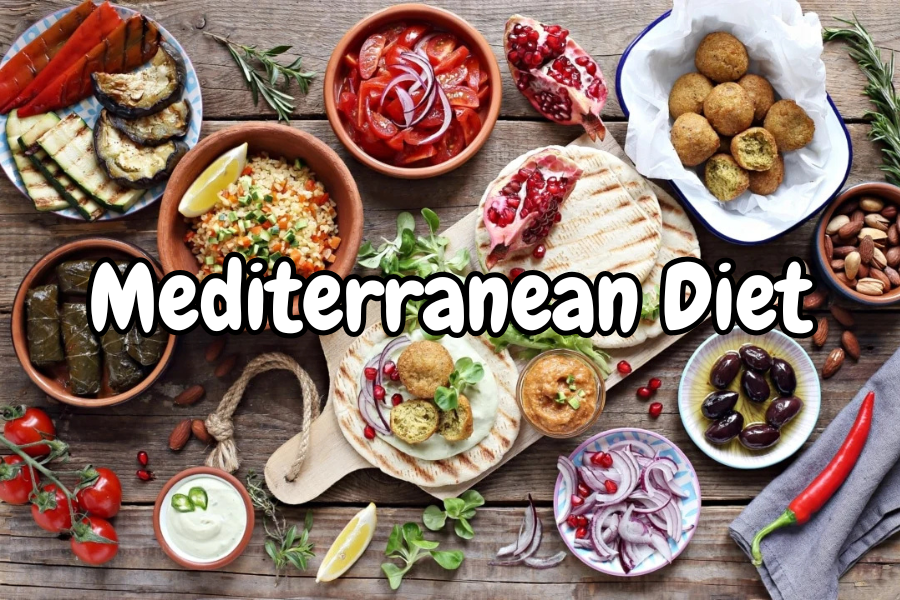
A Mediterranean diet for weight loss focuses on whole, satisfying foods so you feel full and nourished while you gradually lose weight. Instead of strict rules or constant counting, you build your meals around plants, healthy fats, and simple cooking habits that are easier to stick with long term. That is one reason this approach is consistently ranked among the best for both weight loss and overall health (Brown University Health).
Below, you will learn how the Mediterranean diet works for weight loss, what to eat, what to limit, and how to start using it in your daily life.
Understand what the Mediterranean diet really is
The Mediterranean diet is based on the traditional eating patterns of countries like Greece, Italy, and Spain. It is not a rigid meal plan or a single official rulebook. Instead, it is a flexible pattern that guides how you build your plate most of the time.
You center your meals on vegetables, fruits, whole grains, legumes, nuts, and olive oil. You enjoy fish and seafood regularly, keep poultry and eggs in moderate amounts, and treat red meat and sweets as occasional extras. This plant-forward balance supports both weight management and long term health (Mayo Clinic, Cleveland Clinic).
Unlike many diet trends, you are encouraged to enjoy your food, eat with others, and pay attention while you eat, which naturally helps with appetite control and satisfaction (Mayo Clinic).
See how the Mediterranean diet supports weight loss
You lose weight on any way of eating when you consistently take in fewer calories than your body uses. What makes the Mediterranean diet for weight loss stand out is how it helps you do that without feeling deprived.
Fiber and fullness
The Mediterranean diet is rich in fiber from fruits, vegetables, whole grains, legumes, and nuts. Fiber slows digestion and keeps you feeling fuller for longer, which can naturally reduce how much you eat overall (Mayo Clinic). Whole grains and legumes in particular have been shown to increase satiety and reduce calorie intake (TODAY).
Healthy fats instead of empty calories
Extra virgin olive oil and nuts are key fat sources in this diet. These fats help lower LDL cholesterol and support heart and brain health (Mayo Clinic). Because they are satisfying, they can make your meals more filling, which may help you avoid grazing on ultra processed snacks.
Olive oil also appears to support better blood sugar control and insulin sensitivity, both of which are important for weight management and lower risk of type 2 diabetes (Brown University Health, Cleveland Clinic).
Less processed food, more real food
On a Mediterranean diet for weight loss, you crowd your plate with whole foods, which naturally leaves less room for sugary drinks, refined snacks, and heavily processed meals. In one randomized study, people gained weight on processed foods and lost weight on whole foods even when calories were matched, which highlights how food quality influences appetite and intake (TODAY).
Long term weight maintenance
Losing weight is one challenge, keeping it off is another. The MedWeight study found that people who followed a Mediterranean diet pattern closely were about twice as likely to maintain a weight loss of at least 10 percent of their body weight compared with those who did not follow it as consistently (PMC). Higher fruit intake and an overall balanced mix of Mediterranean foods were linked with better long term results.
Review what the research says
Research on the Mediterranean diet for weight loss is not based on a single small trial. Multiple studies and large cohorts support its effectiveness and sustainability.
- A 2015 study reported that people on a Mediterranean diet lost about twice as much weight as those on a low carb diet (TODAY).
- A 2018 study in Nutrition and Diabetes found that following the Mediterranean diet for five years reduced abdominal fat and lowered the risk of weight gain (TODAY).
- A 2020 analysis showed that strong adherence to the Mediterranean diet doubled the odds of maintaining weight loss, echoing the MedWeight findings (TODAY, PMC).
Taken together, these results suggest that if you adopt this style of eating and stick with it, you are likely to see gradual fat loss and better weight maintenance.
In many studies, the real advantage of the Mediterranean diet is not dramatic short term loss, but that people find it enjoyable enough to keep following for years.
Know the core Mediterranean diet foods
You do not need special products or complicated recipes to start. Focus on simple, recognizable foods you can combine in different ways.
Foods to eat more often
Try to make these the base of most meals:
- Vegetables of all colors, fresh, frozen, or canned with minimal additives
- Fruits, especially whole fruits instead of juices
- Whole grains such as oats, quinoa, brown rice, whole wheat bread, and barley
- Legumes including lentils, chickpeas, black beans, and kidney beans
- Nuts and seeds like almonds, walnuts, pistachios, chia, and flax
- Extra virgin olive oil as your main added fat
- Fish and seafood, especially fatty fish like salmon, sardines, and mackerel
- Plain yogurt and moderate amounts of cheese
This plant focused mix works together to support weight control and overall health, rather than relying on a single superfood (Cleveland Clinic).
Foods to limit but not necessarily ban
You do not have to avoid these forever, but having them less often and in smaller amounts supports your weight goals:
- Red and processed meats
- Butter, cream, and other solid animal fats
- Refined grains like white bread and pastries
- Sugary drinks, desserts, and candy
- Highly processed snacks such as chips and fast food
By keeping these in the “sometimes” category, you make room for more filling, nutrient dense options that help you stay satisfied while eating fewer calories overall (Cleveland Clinic).
Turn the Mediterranean diet into daily meals
Putting the Mediterranean diet for weight loss into practice is easier when you have a few go to ideas. Think in terms of building blocks instead of rigid meal plans.
Simple meal formulas
You can mix and match what you like, but this basic framework keeps you aligned with Mediterranean principles:
-
Breakfast: whole grain + fruit + protein
-
Examples: oatmeal with berries and chopped nuts, whole grain toast with avocado and a boiled egg, plain yogurt with fruit and a drizzle of olive oil
-
Lunch: vegetables + whole grain + lean protein
-
Examples: quinoa salad with cucumbers, tomatoes, chickpeas, and olive oil, whole wheat pita stuffed with grilled vegetables and hummus
-
Dinner: half a plate of vegetables + quarter plate of whole grain or starchy vegetable + quarter plate of protein
-
Examples: baked salmon with roasted Brussels sprouts and sweet potato, lentil stew with a side of whole grain bread and a mixed salad
Snacks can be as simple as a piece of fruit with a handful of nuts, sliced vegetables with hummus, or a small portion of plain yogurt.
Portion awareness without strict counting
You do not have to track every calorie to succeed. You can start with practical cues:
- Use a smaller plate so portions naturally look and feel more generous.
- Fill half your plate with vegetables first, then add whole grains and protein.
- Pause halfway through your meal to check if you are comfortably satisfied instead of automatically finishing everything.
These small habits, combined with the filling nature of Mediterranean foods, can create a gentle calorie deficit without feeling like you are “on a diet.”
Use Mediterranean habits to support long term success
Beyond what you eat, how you eat also matters for weight loss and maintenance.
Eat more mindfully and socially
The traditional Mediterranean pattern emphasizes slowing down, savoring food, and often eating with others. Taking your time allows your natural fullness signals to catch up, which may help you eat less without conscious restriction (Mayo Clinic).
You can try simple changes like sitting at a table instead of eating in front of a screen, putting your fork down between bites, and noticing flavors and textures. These steps help make smaller portions feel more satisfying.
Move your body regularly
Physical activity is part of the Mediterranean lifestyle and it works hand in hand with the diet. You do not need intense gym sessions to benefit. Walking more during the day, choosing stairs when possible, or adding a few short strength or mobility sessions each week will boost your calorie burn and support muscle maintenance.
When you combine a Mediterranean diet for weight loss with daily movement, you create a sustainable path to gradual, steady progress instead of relying on quick fixes.
Talk with a professional before you start
The Mediterranean diet is generally considered safe and beneficial for most people, but your individual health needs still matter. Consulting a dietitian or primary care provider can help you tailor this approach to your medical history, preferences, allergies, and medications (Cleveland Clinic).
This is especially important if you have conditions like diabetes, kidney disease, or heart disease, or if you take medications that interact with certain foods or alcohol. A professional can show you how to adjust portions, protein levels, or specific ingredients so the Mediterranean pattern supports your personal goals.
Key takeaways and first steps
The Mediterranean diet for weight loss is less about perfection and more about consistent, enjoyable changes. You shift your focus toward plants, healthy fats, and whole foods, while gradually cutting back on processed snacks, sugary drinks, and red meat. Over time, these choices can help you lose weight, keep it off, and support your heart, brain, and metabolic health (Mayo Clinic, Brown University Health).
You do not have to overhaul everything overnight. You might start by:
- Swapping butter for extra virgin olive oil in your cooking
- Adding one extra serving of vegetables to lunch or dinner
- Replacing a sugary drink with water or sparkling water
- Planning one fish or legume based dinner this week
Pick one small change today and build from there. As these habits add up, you will be following a Mediterranean diet for weight loss without feeling like you are constantly dieting.
About the Author