A well planned Mediterranean diet grocery list makes it much easier to eat healthier, lose weight, and still enjoy your meals. Instead of focusing on strict rules or specialty products, you focus on simple, whole ingredients you can mix and match all week.
Below, you will find exactly what to buy, plus practical tips to turn those ingredients into satisfying breakfasts, lunches, dinners, and snacks.
Understand the Mediterranean diet basics
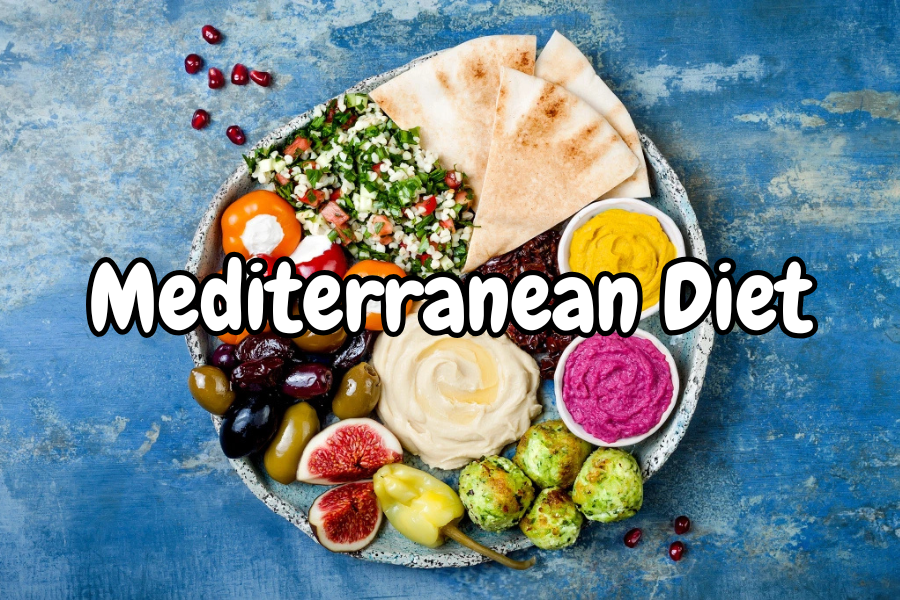
The Mediterranean diet is built around whole, minimally processed foods. You center your meals on vegetables, fruits, whole grains, legumes, nuts, seeds, and plenty of extra virgin olive oil, with seafood and modest amounts of poultry, eggs, and dairy for protein. This pattern is based on traditional eating habits from Mediterranean countries such as Spain, Morocco, and Italy, and it emphasizes healthy fats and plant-based foods over heavy meats and sweets (Franciscan Health).
Health organizations highlight this way of eating for heart health and overall wellness. The Cleveland Clinic notes that a Mediterranean diet grocery list should lean heavily on vegetables, fruits, and whole grains, with extra virgin olive oil as your primary fat source (Cleveland Clinic). Instead of thinking of it as a short term diet, you treat it as a flexible lifestyle you can adapt to your preferences and culture.
Stock your pantry with core staples
Your pantry is where the Mediterranean diet truly becomes convenient. With a few basics always on hand, you can put together a meal quickly even when your fridge is close to empty.
Aim to keep these categories stocked:
- Whole grains, such as oats, brown rice, and whole wheat pasta
- Beans and lentils
- Canned tomatoes and tomato paste
- Extra virgin olive oil
- Nuts and seeds
- Dried herbs and spices
Extra virgin olive oil deserves a permanent place on your list. It has a higher antioxidant content and a healthier fat profile than regular olive oil, which supports heart and brain health (Cleveland Clinic). Use it for sautéing, roasting, salad dressings, and drizzling over finished dishes for extra flavor.
Beans and lentils are another pantry workhorse. They are affordable, filling, and make it easy to rely less on red meat. You can toss them into salads, soups, and grain bowls, or blend them into dips like hummus.
Fill your cart with vegetables and fruits
On a Mediterranean diet, vegetables are not just a side. They take up roughly half your plate at most meals. This does not have to be complicated. You can lean on a small set of favorites to simplify your shopping and prep.
Fresh vegetables to prioritize include leafy greens, tomatoes, cucumbers, bell peppers, onions, carrots, broccoli, and zucchini. Frozen vegetables also fit well into your Mediterranean diet grocery list. They are picked at peak ripeness, last longer, and work well in soups, stews, and quick sautés.
Fruits provide natural sweetness and fiber without relying on desserts and processed snacks. Stock up on apples, oranges, berries, grapes, and seasonal fruits. Fresh fruit can be your default dessert, which helps you limit added sugar without feeling deprived.
The Mediterranean pattern focuses on plant-heavy meals that use fresh herbs and good fats for flavor rather than heavy creams or sugary sauces (The Mediterranean Dish). A bowl of ripe tomatoes with olive oil, basil, and a sprinkle of salt is a perfect example of how simple that can be.
Choose smart protein sources
Protein is important for muscle maintenance, appetite control, and steady energy, especially if you are trying to lose weight. The Mediterranean diet focuses on fish, seafood, and plant-based proteins, with moderate poultry, eggs, and dairy and limited red meat.
Fish such as salmon, shrimp, tuna, and halibut are recommended often and should appear regularly on your grocery list (Franciscan Health). Aim to include seafood a couple of times per week. Canned tuna or salmon can also be a budget friendly option for quick meals.
You can still include meat, but you keep portions smaller and choose leaner cuts. The Mediterranean diet encourages you to limit red meat to no more than once a week and to avoid fatty cuts and fried preparations (Franciscan Health). Poultry, lamb, and lean beef in moderation can fit when you balance them with plenty of vegetables and whole grains (The Mediterranean Dish).
Do not forget plant-based proteins like beans, chickpeas, lentils, and tofu. They are nutrient dense, versatile, and help you shift your plate away from animal products without feeling like you are missing anything.
Focus on heart healthy fats
A Mediterranean diet grocery list looks different from a typical low fat diet, because you do not avoid all fat. Instead, you focus on the right kinds. Olive oil, nuts, seeds, and fatty fish provide monounsaturated and polyunsaturated fats that support heart health and satiety.
Extra virgin olive oil should replace butter and margarine in most of your cooking. Both Franciscan Health and the Cleveland Clinic highlight it as the main fat in Mediterranean style eating (Franciscan Health, Cleveland Clinic). You can use smaller amounts than you might expect, especially if weight loss is one of your goals, while still getting flavor and benefits.
Nuts and seeds make excellent snacks and salad toppings. Keep small containers of almonds, walnuts, pistachios, or sunflower seeds on hand. They are calorie dense, so a small handful goes a long way. Paired with a piece of fruit, they create a balanced snack that keeps you full between meals.
Plan for satisfying Mediterranean style snacks
Snacks often derail healthy eating, especially when you rely on vending machines or packaged sweets. You can set yourself up for success by adding simple Mediterranean friendly snacks to your list.
Good snack options include:
- Fresh fruit with a small handful of nuts
- Carrot sticks, cucumber slices, or bell pepper strips with hummus
- Plain yogurt with berries and a drizzle of honey
- Whole grain crackers with a bit of cheese or tuna
This approach aligns with the Mediterranean diet focus on nutrient dense foods like nuts, beans, and seafood, while limiting sweets and ultra processed choices (Cleveland Clinic). You get fiber, protein, and healthy fats rather than a quick sugar spike and crash.
If you enjoy a glass of wine, you can also plan for moderate red wine consumption, such as a 5 ounce glass per day with dinner, as part of traditional Mediterranean eating patterns (Franciscan Health). If you do not drink, there is no need to start. You can get the benefits of this way of eating without alcohol.
Use a sample shopping list for your next trip
To make this more concrete, here is a simple example of how your Mediterranean diet grocery list might look for a week of meals. You can adjust quantities based on your household size and appetite.
Think of this as a template rather than a rulebook. Swap in foods you prefer within each category.
Produce
- Spinach or mixed greens
- Tomatoes (fresh or cherry)
- Cucumbers
- Bell peppers
- Onions and garlic
- Carrots
- Zucchini or eggplant
- Broccoli or cauliflower
- Apples and oranges
- Berries or grapes
- Lemons
Pantry
- Extra virgin olive oil
- Brown rice or quinoa
- Whole wheat pasta
- Old fashioned oats
- Canned chickpeas and black beans
- Canned lentils or dried lentils
- Canned tomatoes and tomato paste
- Whole grain crackers
- Nuts such as almonds or walnuts
- Seeds such as sunflower or chia
- Dried herbs like oregano, basil, thyme, and spices like cumin and paprika
Protein and dairy
- Salmon fillets or another fatty fish
- Shrimp or canned tuna
- Chicken breast or thighs
- Eggs
- Plain Greek yogurt
- A small block of cheese, such as feta or Parmesan
With these basics, you can create grain bowls, salads, pasta dishes, sheet pan dinners, and simple breakfasts without feeling like you are eating the same thing every day.
Adapt your list to your goals and preferences
The Mediterranean diet is flexible, which makes it easier to sustain. You can follow it as an omnivore, vegetarian, or even gluten free eater. The Cleveland Clinic notes that you can adapt the grocery list to fit your needs while keeping the core focus on whole grains, vegetables, fruits, nuts, beans, and seafood, and on limiting red meat and sweets (Cleveland Clinic).
If weight loss is your priority, you can keep the same foods but pay closer attention to portion sizes, especially with calorie dense items like oils, nuts, and cheese. Fill half your plate with vegetables, one quarter with lean protein, and one quarter with whole grains. This simple pattern helps you feel full with fewer calories because of the fiber and volume from the vegetables.
If you have specific health conditions, allergies, or questions about how to tailor the Mediterranean diet to your situation, it is a good idea to speak with a registered dietitian. Experts recommend working with a dietitian to customize your grocery list and meal plans so they match your personal health needs and preferences (Cleveland Clinic).
Put your Mediterranean grocery list into action
Once you have your Mediterranean diet grocery list ready, the next step is to turn those ingredients into everyday habits. Start by picking two or three simple meals to repeat this week, such as oatmeal with fruit and nuts for breakfast, a big salad with beans and olive oil for lunch, and fish with roasted vegetables and brown rice for dinner.
Keep your pantry stocked with staples like extra virgin olive oil, beans, grains, and herbs so you always have the building blocks of a meal. Over time, shopping and cooking this way will feel natural, and you will have a flexible, flavorful routine that supports better health and sustainable weight loss, not a short lived diet.
About the Author