A keto diet can sound complicated, but small, practical tweaks often matter more than perfection. With a few simple keto diet hacks, you can make low carb eating easier to stick with and more effective for weight loss and better health.
Below, you will learn how keto works, how to set up your plate, and the everyday strategies that help you stay consistent without feeling deprived.
Understand what the keto diet actually does
Before you start hacking your keto diet, it helps to understand what is happening in your body.
On a traditional diet, carbohydrates are your main fuel source. When you follow a ketogenic diet, you drastically lower carbs and increase fat so your body shifts into a metabolic state called ketosis. In ketosis, you burn fat for energy instead of carbs and produce ketones, which your brain can use as fuel (Healthline).
Many people lose weight on a keto diet because:
- You naturally eat fewer calories when you cut most refined carbs and added sugars
- Fat and protein keep you full, so you are less likely to snack
- Your body taps into stored fat for energy in ketosis
Research suggests that keto can be as effective as, and sometimes slightly more effective than, low fat diets for weight loss, with one review showing around 2 pounds more lost on keto on average (Healthline).
Keto can also improve insulin sensitivity and lower A1C in people with type 2 diabetes, although it is not appropriate for everyone and should be monitored by a healthcare provider if you have medical conditions (Healthline).
Start with simple keto plate rules
You do not need complicated tracking apps to get started. A few visual rules of thumb can guide your daily meals.
On a basic keto diet, about 70 to 75 percent of your calories come from fat, 20 to 25 percent from protein, and about 5 to 10 percent from carbohydrates. In practice, that usually means limiting carbs to around 20 to 50 grams per day so that you can stay in ketosis (University of Chicago Medicine).
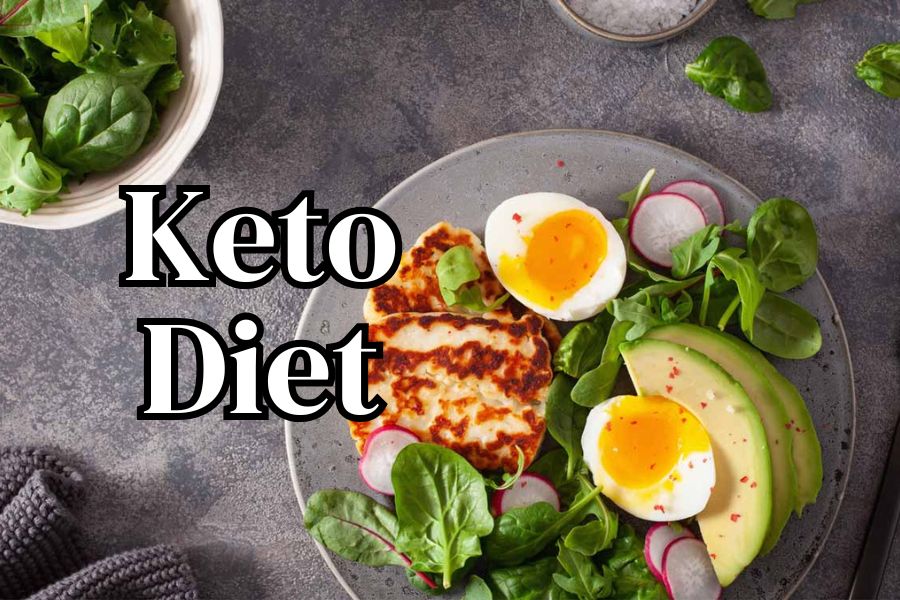
For most of your meals, you can picture your plate in three parts:
- Half nonstarchy vegetables, such as leafy greens, broccoli, zucchini or peppers
- One quarter protein, such as chicken, eggs, tofu, beef or fish
- One quarter healthy fats like avocado, olive oil, nuts, seeds or a full fat dressing
Vegetables like spinach, kale, cauliflower, spaghetti squash, green beans and salad greens help you add bulk and nutrients without a lot of carbs (Healthline). Keeping your plate colorful with low carb vegetables makes keto feel more like a real way of eating and less like a short term crash diet.
Stock your kitchen with “default” keto foods
One of the easiest keto diet hacks is to make your default choice a keto friendly one. When your fridge and pantry are set up for success, you do not need as much willpower.
Build a small kit of go to basics:
- Protein: eggs, canned tuna, salmon, chicken thighs, ground beef or turkey, tofu
- Fats: olive oil, avocado oil, butter, ghee, full fat Greek yogurt, cheese, avocado, olives
- Vegetables: salad mixes, cucumbers, zucchini, cauliflower rice, frozen broccoli, peppers
- Snacks: nuts, seeds, nut butters, a small amount of berries like raspberries or strawberries (Healthline)
Seafood, meat, poultry and eggs are virtually carb free and provide high quality protein and nutrients like B vitamins and omega 3s (Healthline). Nuts, seeds and some berries give you fiber and antioxidants along with healthy fats, which help you stay full on fewer carbs.
Once you have these staples, you can throw together quick meals without needing a recipe.
Use one pan and batch cooking shortcuts
If planning and cooking are what usually derails your diet, focus on making food prep as effortless as possible. Keto does not have to mean gourmet meals.
You might try these time saving habits:
- Roast a full sheet pan of low carb veggies with olive oil and salt once or twice a week
- Cook several portions of a simple protein, like chicken thighs or ground beef, in advance
- Store cooked components separately so you can mix and match for bowls, salads or wraps
For example, you could combine pre cooked ground beef, cauliflower rice, shredded cheese and salsa for a fast keto bowl. Or layer roasted zucchini, tomato, mozzarella and pesto for a quick low carb bake.
Batch cooking like this gives you instant meals on busy days so you are less tempted by high carb takeout.
Make smart swaps for high carb favorites
You do not have to give up every food you enjoy. The trick is to swap the highest carb part of the meal while keeping the flavors you like.
You could:
- Replace rice with cauliflower rice in stir fries and burrito bowls
- Use lettuce leaves or low carb wraps instead of buns or tortillas
- Swap pasta for zucchini noodles or spaghetti squash
- Build burgers on a bed of salad instead of a bun
These small changes lower your carb intake while keeping meals familiar. Over time, your taste buds adapt and these versions begin to feel normal instead of like “diet food”.
Focus on healthy fats, not just any fats
Keto is high fat, but the type of fat you eat still matters, especially for heart and kidney health. It is easy to rely heavily on bacon, butter and processed meats, but that can increase saturated fat and LDL cholesterol beyond what is considered healthy (Northwestern Medicine).
A simple rule you can follow is to make most of your added fats come from unsaturated sources:
- Olive oil or avocado oil for cooking and dressings
- Avocado slices on salads and eggs
- Nuts and seeds like almonds, walnuts, chia and flax
You can still enjoy cheese, butter and fattier cuts of meat, but let them share the stage with these heart friendly options. Health experts often recommend focusing on monounsaturated and polyunsaturated fats from olive oil, avocados and fatty fish to help support cholesterol and blood pressure (Northwestern Medicine).
Prevent keto flu with hydration and minerals
When you first start a keto diet, you might feel tired, foggy or a bit flu like. This is often called the “keto flu”. It usually shows up in the first few days as your body adjusts to using fat and ketones for fuel and your kidneys flush out more water and electrolytes (Healthline).
Symptoms can include headache, fatigue, nausea, constipation and dizziness (Healthline). While this phase is normally temporary, you can make it easier.
These simple habits help:
- Drink plenty of water throughout the day
- Add a pinch of salt to your meals or sip broth to replace sodium
- Include potassium and magnesium rich keto friendly foods, such as leafy greens, nuts and seeds
- Ease into keto by gradually lowering carbs instead of dropping to 20 grams overnight
Because keto increases sodium loss, many people need slightly more salt than usual, especially in the first weeks of the diet (UC Davis Health).
If symptoms feel severe or do not improve, it is important to check in with a healthcare provider, since dehydration or electrolyte imbalance can be serious.
Keto flu is usually a sign that your body is transitioning, not that you have failed. With enough fluids, minerals and rest, most people feel better within a few days.
Watch for fiber gaps to protect digestion
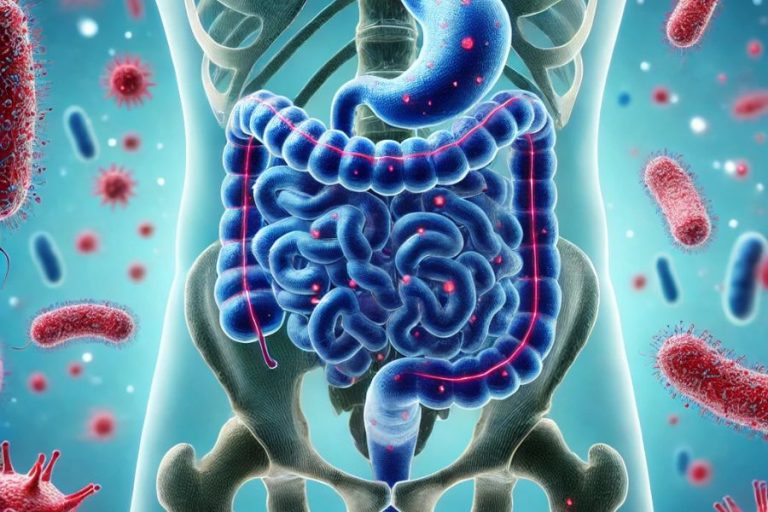
One common downside of a strict keto diet is low fiber intake. Since many high fiber foods like whole grains, beans and some fruits are limited, constipation is very common and your gut bacteria can be affected (Healthline).
You can protect your digestion by being intentional about the fiber you do eat. Make nonstarchy vegetables a large part of your meals, include small servings of lower carb berries and use nuts and seeds to boost fiber and healthy fats.
If you still struggle with constipation, you can talk with a dietitian or doctor about a suitable fiber supplement that fits your carb limit.
Respect the risks and know when keto is not for you
Although keto can support weight loss and better blood sugar for some people, it is not risk free and it is not the best choice for everyone.
Potential issues include:
- Nutrient deficiencies, especially if you cut many food groups and do not supplement appropriately (Northwestern Medicine)
- Increased LDL cholesterol and strain on the heart if you eat too much saturated fat (Northwestern Medicine)
- Higher risk of kidney stones and problems in people with existing kidney disease, particularly when the diet is heavy in animal foods (Healthline)
- Social isolation and difficulty maintaining the diet long term (University of Chicago Medicine)
Experts note that keto is usually unsafe for people with certain pancreas, liver, thyroid or gallbladder conditions and it requires close monitoring if you are on medications, especially those for diabetes that can cause low blood sugar (University of Chicago Medicine).
If you have any underlying health issues, it is important to talk with your doctor or a registered dietitian before starting. They can help you customize your approach or suggest a different style of low carb eating that is easier to sustain.
Think “sustainable low carb,” not “perfect keto”
Perhaps the most important keto diet hack is to think about sustainability from the beginning. Rapid weight loss from water and glycogen can feel motivating at first, but keeping fat off requires habits you can live with long term (Northwestern Medicine).
You might find that strict keto, like the classic clinical version used to manage epilepsy, is too rigid for daily life without professional support (UC Davis Health). In that case, it is reasonable to loosen your carb limit slightly while keeping added sugars and refined starches low.
Over time, you can adjust:
- How low your carbs need to be for you to feel well and continue losing or maintaining weight
- Which foods are worth including occasionally because they make the way you eat feel enjoyable
You are far more likely to reach your goals with a version of keto or low carb that fits your lifestyle and health needs, instead of chasing a perfect number of grams every day.
Start with one or two of these hacks this week. Maybe you stock your kitchen with a few keto staples, cook a batch of sheet pan vegetables, or swap rice for cauliflower rice in one dinner. Small, consistent changes can quietly add up to real progress in your weight and health.
About the Author