A keto diet can absolutely support weight loss, but only if you use it strategically. Many of the frustrations you might hear about, like rapid regain or feeling awful for weeks, usually come from a handful of common mistakes, not from the keto diet itself.
Below, you will learn the keto diet weight loss mistakes you do not want to make, plus what to do instead so you can lose weight in a way that feels manageable and supports your long term health.
Ignoring the basics of how keto works
If you want keto to work for weight loss, you need a basic understanding of what is happening in your body.
A standard ketogenic diet is very high in fat, very low in carbohydrates, and moderate in protein. Most classic versions provide about 70 to 80 percent of calories from fat, 5 to 10 percent from carbohydrates, and 10 to 20 percent from protein (Harvard T.H. Chan School of Public Health). That shift in macros is designed to push you into ketosis.
In ketosis, your body uses fat derived ketones as its main fuel instead of glucose. This metabolic switch is what often supports fat loss, better appetite control, and sometimes improved blood sugar and triglycerides (Harvard T.H. Chan School of Public Health).
If you try to “do keto” without keeping carbs genuinely low, or if you treat it as simply “cutting bread most days,” you never consistently enter ketosis. At that point you are mostly just eating high fat and you may not see the weight changes you expected.
Expecting unrealistic weight loss timelines
In the first week or two, you may see the scale drop quickly, sometimes by 2 to 10 pounds (Healthline). It is natural to think you have suddenly found a miracle fix. The important thing to remember is that most of that early loss is water, not body fat.
When you cut carbs sharply, your body burns through glycogen, which is the stored form of carbohydrate in your liver and muscles. Each gram of glycogen can hold about three grams of water, so as your glycogen stores drop, that water is released and you see a fast change on the scale (Healthline).
Once you settle into ketosis, weight loss slows to a more normal pace, usually in the range of about 1 to 1.5 pounds per week if you are in a modest calorie deficit (Healthline). Over a few weeks to a few months, many people average about 1 to 2 pounds of fat loss per week (KetoKeto).
If you expect the big, early water drop to continue forever, you may feel discouraged and give up right when the more meaningful fat loss is finally starting. Setting realistic expectations from the start makes you more likely to stay consistent.
Forgetting that calories still matter
Keto is not a free license to eat unlimited amounts of butter, bacon, and cheese. The diet often helps you feel full on smaller portions, which automatically lowers your calorie intake, but it does not erase the basic math of energy balance.
Long term fat loss still depends on taking in fewer calories than you burn over time. Research on ketogenic diets shows that their long term weight loss results are not dramatically better than other calorie controlled diets once you look beyond the first year (Harvard T.H. Chan School of Public Health).
If you feel stuck, you can:
- Track your food for a week to see what you are really eating
- Check your portions of energy dense foods like nuts, oils, and cheese
- Make small, sustainable reductions, such as trimming a tablespoon of oil here or a handful of nuts there
The goal is not to starve yourself, it is to find a calorie level that supports slow and steady loss, usually around a 500 to 750 calorie deficit per day for many adults (Healthline).
Eating too many or too few carbs
To get into and stay in ketosis, you typically need to keep your daily carbohydrates under 50 grams, and for some people closer to 20 to 30 grams (Cleveland Clinic). That is roughly the carbs in one cup of cooked pasta or two bananas (Cleveland Clinic).
If you regularly drift above this level with “just one more” piece of fruit, an extra serving of low carb snacks, or hidden sugars in sauces, you might be popping yourself out of ketosis without realizing it.
On the other hand, cutting carbs extremely low without planning vegetables and fiber can leave you constipated, low on certain nutrients, and feeling worse than you need to. Keto already restricts many fiber rich foods like grains, beans, and most fruits, so you need to be deliberate about including low carb vegetables and other sources of fiber (EatingWell).
A simple approach is to:
- Prioritize non starchy vegetables like leafy greens, broccoli, cauliflower, zucchini, and peppers
- Use small amounts of lower sugar fruits such as raspberries when they fit your carb budget (UC Davis Health)
- Watch for carbs in dressings, condiments, and dairy
This balance helps you stay in ketosis without feeling like your diet is nothing but meat and oil.
Relying on unhealthy fats instead of smart ones
You can technically stay in ketosis on a steady stream of processed meats, heavy cream, and butter. The problem is that your heart, kidneys, and overall health might not appreciate that pattern over time.
Experts recommend focusing on healthier fats like olive oil, avocado, nuts, seeds, and fatty fish when you build your keto meals (Northwestern Medicine). Coconut oil and other sources of medium chain triglycerides can also help increase ketone production and may slightly boost your metabolic rate (EatingWell).
Protein quality matters as well. Eggs, Greek yogurt, cottage cheese, and fish provide protein with beneficial nutrients and have been shown to help increase fullness and reduce appetite, which supports weight loss on keto (Healthline).
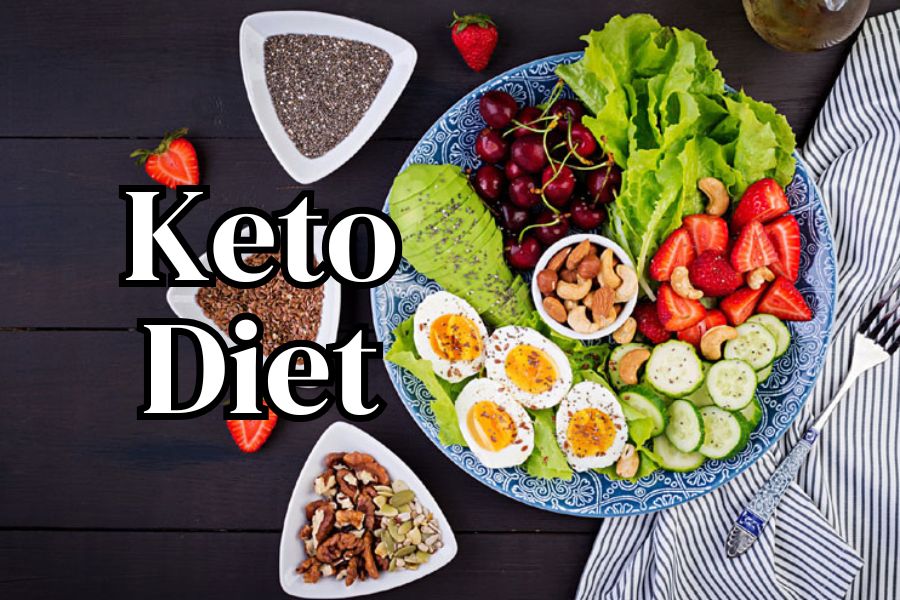
A smarter plate might include salmon with olive oil roasted broccoli, half an avocado, and a small serving of berries instead of a double cheeseburger without the bun and little else.
Ignoring the “keto flu” and other side effects
When you first shift into ketosis, you might feel a cluster of symptoms that people often call the “keto flu.” This can include fatigue, irritability, headaches, nausea, constipation, and brain fog (Harvard T.H. Chan School of Public Health). Similar side effects are also reported by clinicians, along with changes in digestion and general discomfort during the adjustment period (Northwestern Medicine).
These symptoms are usually temporary and often ease after a few days to a couple of weeks as your body adapts (UC Davis Health). You are more likely to quit if you assume something is terribly wrong rather than recognizing you are going through a transition.
You can soften the impact by:
- Drinking plenty of water to replace the fluid lost as glycogen stores deplete (Healthline)
- Making sure you get enough electrolytes, especially sodium, potassium, and magnesium
- Gradually lowering carbs over a week or two instead of cutting them overnight
- Including fiber rich, low carb vegetables to protect your digestion
If symptoms are intense, or if you have any underlying health conditions, check in with your healthcare provider instead of trying to push through alone.
If you are using keto for more than a brief experiment, it is worth talking with a physician and a registered dietitian so you can monitor labs and adjust your plan as needed (Harvard T.H. Chan School of Public Health).
Overlooking nutrient gaps and long term health
Keto limits or removes entire food groups like most fruits, legumes, grains, and starchy vegetables. Over time, this can make it difficult for you to meet your needs for certain vitamins, minerals, and fiber.
Researchers and clinicians note that long term ketogenic diets can increase the risk for issues such as kidney stones, nutrient deficiencies, changes in cholesterol, and bone health concerns if you do not manage your food choices carefully (Harvard T.H. Chan School of Public Health, UC Davis Health).
You can lower these risks by:
- Eating a wide variety of low carb vegetables every day, not just the same one or two
- Including nuts, seeds, and fermented dairy for extra nutrients and beneficial fats (Healthline)
- Considering supplements based on lab testing and professional guidance
- Getting regular blood work to watch cholesterol, kidney function, and other markers (UC Davis Health)
You want keto to support your health, not simply chase a number on the scale at any cost.
Treating keto like a short crash diet
The biggest mistake for long term results is treating keto as a brief, all or nothing project. Studies suggest that when people go on very restrictive diets and then return to their old eating habits, they often regain at least half of the lost weight, and sometimes more (Northwestern Medicine).
This pattern is not unique to keto, but the restrictive nature of the diet can make it harder to maintain and easier to rebound from once you stop.
Instead of viewing keto as a strict 30 day challenge, think about:
- How you will transition off keto if you do not plan to stay on it indefinitely
- Which habits from keto you want to keep, such as more protein, fewer sweets, or more whole foods
- How you can reintroduce carbohydrates slowly and thoughtfully, rather than in one giant jump
For some people, a modified version such as a lower carbohydrate or modified Atkins style plan feels more sustainable. Options like the classic ketogenic diet, modified keto, and modified Atkins each offer different balances of carbs and protein, and they can influence how easy the diet is for you to follow (UC Davis Health).
Skipping medical and professional guidance
Finally, you do not want to start or stay on a keto diet in isolation, especially if you have conditions like diabetes, kidney disease, high blood pressure, or a history of disordered eating.
Keto was originally developed in the 1920s as a medical diet to treat pediatric epilepsy, and it is still used today under medical supervision when medications do not fully control seizures (UC Davis Health). That medical origin is a reminder that it is a powerful intervention, not just a casual trend.
Experts recommend working with your physician and a dietitian to:
- Decide whether a ketogenic or modified low carb plan fits your health status
- Monitor changes in cholesterol, kidney function, and medications
- Adjust your macros so you can lose weight without compromising nutrition or safety (Harvard T.H. Chan School of Public Health)
Your genetics, body composition, and health history all affect how you respond. Professional input can help you troubleshoot stalls, manage side effects, and maintain results.
Key takeaways for smart keto weight loss
To make a keto diet work for weight loss and wellbeing, focus less on being perfect and more on avoiding the big, preventable mistakes.
- Understand how ketosis works so your macros actually match your goals
- Set realistic expectations about the pace of change beyond the first quick water loss
- Remember that calories still count, even when your carbs are low
- Choose healthier fats and high quality protein, and keep low carb vegetables in the mix
- Plan for side effects, nutrient gaps, and regular health check ins
- Treat keto as part of a longer journey, not a one time crash diet
If you start with clear expectations and a plan, you give yourself a much better chance of using keto as a tool for gradual, sustainable weight loss instead of another frustrating experiment.
About the Author