A keto diet can feel confusing when you are first figuring out what to eat. The good news is that a wide range of keto diet foods can help you lose weight, steady your energy, and support better health without feeling deprived. Once you know which ingredients belong on your plate, building satisfying meals becomes much simpler.
Below, you will learn how keto works, which foods to focus on, and what to limit so you can stay in ketosis and see lasting results.
Understand how keto diet foods work
The ketogenic diet is built around high fat, moderate protein, and very low carbohydrates. By keeping carbs low, usually around 20 to 50 grams per day, you encourage your body to enter ketosis, a metabolic state where you burn fat for fuel instead of glucose from carbs (UC Davis Health, Healthline).
Most of your calories will come from fat, with protein supporting your muscles and very few calories coming from carbs. Fiber is not digested as energy, so it is usually not counted toward your daily carb limit (Healthline).
When you choose the right keto diet foods, you are more likely to:
- Feel full between meals
- Avoid big blood sugar swings
- Lose body fat while keeping muscle
- Stick with the plan longer because you enjoy what you are eating
Build your plate around healthy fats
Fat is the backbone of a ketogenic diet, but not all fats are equal. You want to prioritize fats that support heart health and reduce inflammation, while avoiding artificial trans fats that can work against your goals.
Smart fat sources to use daily
Avocados and avocado oil are standout options. They provide heart healthy monounsaturated fats, fiber, and key vitamins and minerals, and may support balanced blood sugar and healthy aging (Healthline). You can add sliced avocado to salads, mash it into egg salad, or use avocado oil for roasting vegetables.
Nuts and seeds are another easy way to get quality fats, along with protein and fiber. Pistachios, walnuts, almonds, pecans, cashews, and Brazil nuts have been linked to a lower risk of heart disease and deaths from cancer, diabetes, and respiratory illnesses (Healthline). Flax seeds are especially rich in omega 3 fats and fiber. A quarter cup provides about 11 grams of fiber, 7 grams of protein, and 18 grams of fat, roughly half from omega 3s, and may help protect against heart disease, cancer, diabetes, and degenerative brain diseases (Healthline).
You might sprinkle ground flax on full fat yogurt, blend it into smoothies, or stir it into low carb baking recipes. Other helpful fats include olive oil, coconut oil, and butter in moderation.
Fats to limit or avoid
Artificial trans fats, often listed as partially hydrogenated oils or shortening, increase the risk of heart disease and should be avoided on a keto diet. They are common in highly refined oils and many processed baked goods and snacks, although many countries have restricted or banned them (Healthline).
If you rely on packaged foods, scan ingredient labels and choose options made with natural fats instead.
Choose protein that supports ketosis
Protein is important for muscle maintenance, appetite control, and overall health, but eating too much protein can sometimes interfere with ketosis. A moderate intake from high quality sources pairs best with your keto diet foods.
Best animal protein options
Seafood is almost always a safe and beneficial choice. Salmon, sardines, and mackerel are naturally very low in carbs and high in omega 3 fats, which may help manage blood sugar and insulin levels. Adults are generally encouraged to eat 8 to 10 ounces of seafood per week (Healthline).
Eggs are a keto staple for good reason. Each large egg provides about 6 grams of protein and less than 1 gram of carbs. Eating the whole egg is important because the yolk contains most of the nutrients, including antioxidants that support eye health (Healthline). You can hard boil them for snacks, make omelets with leafy greens, or bake frittatas for easy meal prep.
You can also include poultry, beef, pork, and other meats, ideally in minimally processed forms. The Modified Atkins Diet, one flexible version of keto, even allows unlimited protein but you still need to keep carbs low (UC Davis Health).
Keto friendly dairy choices
Full fat Greek yogurt can fit into your plan if you watch the portion size. A 150 gram serving has about 6 grams of fat, 13 grams of protein, 6 grams of carbs, and roughly 15 percent of your daily calcium, and it supplies probiotics that support digestion (Healthline). Stick to unsweetened varieties and add low carb toppings like chia seeds or a few berries.
Cheese, heavy cream, and other full fat dairy products can also work for many people, as long as you count the carbs and stay within your daily limit.
Load up on low carb vegetables
Vegetables help you cover your nutrient and fiber needs on a keto diet. The key is choosing low carb varieties and paying attention to serving sizes for starchier options.
Best keto vegetables to enjoy often
Leafy greens are some of the most keto friendly vegetables. Spinach, kale, swiss chard, collard greens, romaine lettuce, and arugula are low in net carbs and provide fiber, antioxidants, and essential nutrients (Ketogenic.com). Other good choices include peppers, zucchini and other summer squashes, cucumbers, and non starchy cruciferous vegetables like broccoli and cauliflower (Healthline).
These vegetables can fill most of your plate, especially when you dress them with healthy fats like olive oil or avocado.
Vegetables to limit
Higher carb vegetables such as sweet potatoes, yams, and butternut squash are easy to overeat and can quickly use up your daily carb allowance. It is usually recommended to limit or avoid them on strict keto. Moderate amounts of vegetables like rutabaga and cooked carrots may fit if you track your macros carefully (Ketogenic.com).
If a vegetable grows underground, such as potatoes or parsnips, assume it is starchy and check the carb count before making it a regular part of your diet.
Pick fruits that support ketosis
Fruit can be tricky on keto because many varieties are high in sugar, especially fructose. That sugar can increase blood sugar and net carbs enough to push you out of ketosis if you are not careful (Ketogenic.com).
Fruits to enjoy in small portions
Avocados are technically a fruit and are one of the best keto diet foods available. They are very low in net carbs and rich in healthy fats, fiber, and nutrients, and they may help support cholesterol management on a ketogenic diet (Ketogenic.com, Healthline).
Berries, such as strawberries, raspberries, and blackberries, are among the most keto friendly fruits. They contain fiber, vitamins, and anti inflammatory compounds and can usually be enjoyed in small servings without exceeding your carb goals (Ketogenic.com, Healthline). Raspberries, in particular, are sometimes included even on stricter versions of keto because of their high fiber content (UC Davis Health).
Fruits to limit or avoid
On a ketogenic diet you generally need to skip high carb fruits like bananas, apples, grapes, and mango. These fruits can contain more sugar and net carbs than your entire daily target in just one serving (Healthline).
If you want fruit flavor without the carbs, consider using a small amount of lemon or lime juice to brighten water, salads, or seafood dishes instead.
Learn which carbs do not fit keto
When you think about keto diet foods, it helps to be clear about what is off the table. In general, you are aiming to cut out starches and added sugars while keeping your focus on whole, nutrient dense foods.
High carb foods to skip
According to UC Davis Health, foods to eat on the keto diet generally exclude all starchy staples such as pasta, rice, potatoes, bread, corn, peas, beans, and legumes, as well as desserts and other high carb foods (UC Davis Health). Healthline also suggests avoiding or limiting grains like quinoa and millet, sweetened dairy, and many packaged snacks made with refined flour and sugar (Healthline).
Certain condiments and sweeteners add hidden carbs. Honey has around 17 grams of carbs per tablespoon and maple syrup has about 13 grams per tablespoon, and sauces like ketchup, barbecue sauce, and sweet chili sauce often contain significant amounts of sugar (Healthline).
Drinks that can derail progress
Beverages can quietly use up your carb limit for the day. Beer, liqueurs, mixed drinks with juice or soda, sweetened fruit juices, and regular sodas are all high in sugar. For example, a 12 ounce can of Coca Cola contains about 39 grams of carbs, which is more than many keto plans allow in an entire day (Healthline).
Your best bets are water, sparkling water, unsweetened tea, and coffee without added sugar. If you include alcohol at all, choose extremely low carb options and track them carefully.
Use ready made meal ideas for busy days
Knowing which keto diet foods are allowed is one thing. Turning them into meals you actually want to eat every day is another. Looking at sample meal plans can give you ideas for simple, flavorful combinations.
Whole Foods Market offers a 7 day keto friendly meal plan that highlights low carb, higher fat meals like prime rib, sea bass, and snacks such as celery, cucumber, and carrots with chipotle dipping sauce. The aim is to maintain a keto diet that still feels varied and satisfying (Whole Foods Market).
Across the week, breakfast options often center on eggs and full fat dairy. Examples include Egg White Omelet Bites, keto friendly yogurt topped with chia seeds or ground almonds, and Egg Boats made using avocados as the base (Whole Foods Market).
Dinner ideas in the plan include Herbed Prime Rib Roast with riced cauliflower and steamed broccoli, Pizza Style Stuffed Portobellos, No Cook Zucchini Noodle Salad with sausage, and Roasted Salmon Stuffed with Spinach, Feta, and Ricotta. Each meal combines low carb vegetables, quality protein, and healthy fats so you stay full and nourished (Whole Foods Market).
Snacks and desserts might feature veggies with dips, Blistered Shishito Peppers, a small bar of keto friendly chocolate, cheese boards, Parmesan crisps, pork rinds, and keto friendly meats like Applegate Savory Turkey Breakfast Sausage Patties (Whole Foods Market).
A simple way to stay consistent is to cook a bit extra for dinner and plan to use leftovers for lunch the next day, or rely on grab and go options like rotisserie chicken and sashimi. Prep ahead strategies can make your keto lifestyle much easier to maintain during a busy week (Whole Foods Market).
Take care of your health while on keto
Keto can support weight loss and better blood sugar control, and some research suggests it may help protect against certain cancers and neurodegenerative disorders (Healthline). At the same time, it affects how your body handles fluids, electrolytes, and fats, so it is worth planning for those changes.
People on keto tend to lose more salt and may need slightly more sodium than someone eating a higher carb diet. Many individuals on strict keto also benefit from a daily multivitamin with minerals to meet their nutrient needs (UC Davis Health).
Before starting keto, UC Davis Health recommends getting a blood test to check your lipid levels and then repeating the test after three to six months. The diet may raise LDL cholesterol to unhealthy levels in some people, although others see improvements in HDL and triglycerides (UC Davis Health). Working with your healthcare provider can help you spot any issues early and adjust your approach if needed.
Put it into practice
To start seeing results, you do not have to overhaul your entire pantry overnight. Begin by:
- Filling half your plate with low carb vegetables like leafy greens, broccoli, and zucchini.
- Adding a palm sized portion of protein such as eggs, salmon, chicken, or beef.
- Including one or two servings of healthy fats like avocado, olive oil, nuts, or seeds.
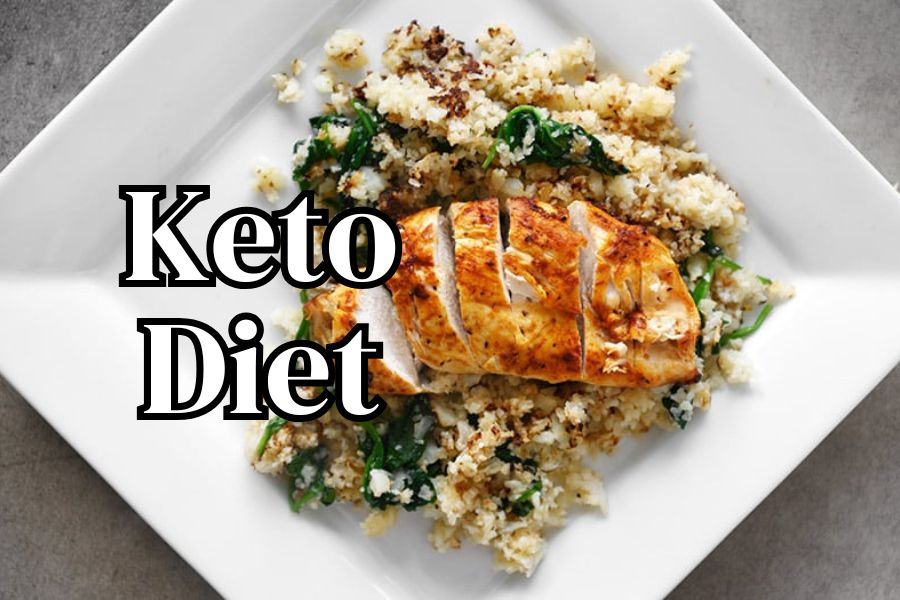
- Swapping high carb sides like bread and rice for cauliflower rice, salads, or roasted non starchy vegetables.
Each small shift toward keto friendly foods moves you closer to ketosis and the benefits that come with it. Try adjusting one meal today, pay attention to how you feel, and use that feedback to shape your next step.
About the Author