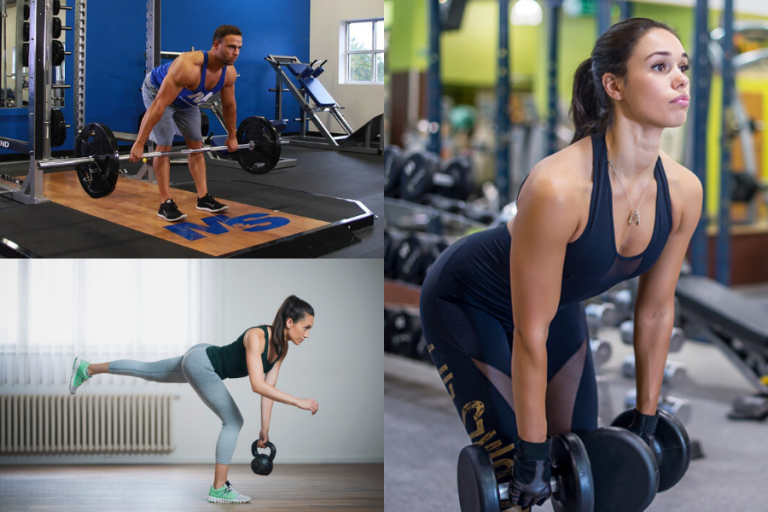
Understand your quadriceps
Your quadriceps, or “quads,” are a group of four muscles at the front of each thigh. They play a key role in helping you walk, run, squat, and jump, and they support and stabilize your knees. When these muscles are strong, your entire lower body feels more powerful and steady. Perhaps best of all, you can build that strength through quadricep exercises at home, no gym membership required.
By focusing on bodyweight movements or using simple household items for resistance, you give your quads the attention they deserve. You also keep your routine convenient—instead of driving to a facility, you can simply roll out a yoga mat in your living room. Strong quads benefit everyday activities more than you might realize, creating a sturdy foundation that helps you climb stairs easily or carry groceries with less strain.
Prepare for safe movement
Before you begin a home quad workout, spend a few minutes warming up and checking your surroundings for enough space. Even a short warm-up improves blood flow and helps loosen tight muscles. A few dynamic stretches—like leg swings, hip circles, or calf raises—makes your body more responsive to the exercises that follow.
Look around your chosen workout spot. Make sure your floor is free of clutter or slippery surfaces, especially if you’re attempting moves like lunges or step-ups. Having good traction reduces your risk of knee tweaks and keeps your workout smooth. You might also want to keep a sturdy chair or wall nearby, in case you need a little balance support.
Try these top exercises
Building strong quadriceps doesn’t mean you have to master complex moves. Simple, consistent exercises with proper form are often the most effective. Below are some of the best quadricep exercises at home to help you transform your legs. Feel free to pick and choose or try them all—just listen to your body and adapt as needed.
-
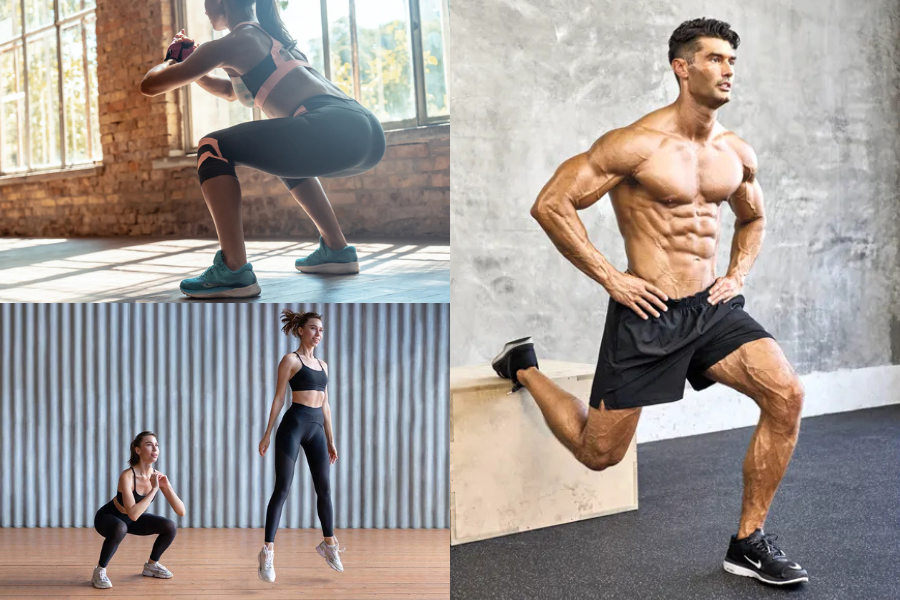
Bodyweight squats
• Stand with feet hip-width apart and toes pointing slightly outward.
• Inhale as you bend your knees and lower your hips, aiming for at least a 90-degree bend.
• Keep your chest up and your weight in your heels.
• Exhale as you push back up to the starting position.Bodyweight squats build fundamental leg strength. If you find them challenging, reduce your range of motion at first, then gradually go lower as you gain strength.
-
Static lunges
• Begin with feet together.
• Step one foot forward, keeping the other foot planted behind you.
• Bend both knees to roughly 90 degrees, lowering your torso in a controlled manner.
• Push through your front heel to rise back up, and repeat for several reps before switching legs.Lunges strengthen each leg independently, which helps fix minor strength imbalances between sides. If you have trouble balancing, hold on to a wall or chair to stabilize.
-
Step-ups
• Find a low, sturdy step or bench.
• Place one foot on the step, driving through your heel as you stand.
• Bring your other foot up, then step back down one leg at a time.
• Repeat for your desired number of reps, switching the leading leg after each set.Step-ups are fantastic if you want to target your quads while also engaging your glutes and core. Choose a stable surface and adjust the height for a suitable challenge.
-
Wall sits
• Stand with your back against a wall, feet about two feet from the baseboard.
• Shift downward into a “seated” position, keeping your thighs parallel to the floor and knees at a 90-degree angle.
• Press your lower back evenly against the wall.
• Hold this position for 20 to 30 seconds or more, breathing steadily.Wall sits test your muscle endurance, forcing the quads to maintain tension. Focus on keeping your legs still—watch for any shift in foot placement or arching of your back.
-
Glute bridge with heel dig
• Lie on your back with knees bent and heels pressing into the floor.
• Engage your core, then lift your hips until your body forms a straight line from shoulders to knees.
• Push your heels into the ground to activate your quads along with your hamstrings and glutes.
• Lower your hips slowly and repeat for multiple reps.Although called a “glute” bridge, this variation emphasizes the front of your legs. The key is firmly digging your heels in, which transfers more work to the quads.
Progress and vary your routine
After a few weeks of consistent training, your quadricep exercises at home may start to feel too easy. That’s your cue to add variations or extra challenges so you continue to build strength. Slight modifications keep these exercises interesting and encourage muscles to adapt.
• Add pauses in the bottom phase of a squat or lunge to increase time under tension.
• Slow down your movements, counting to three on the way up or down.
• Incorporate single-leg squats or lunges if you need more advanced balance work.
• Introduce light resistance bands or hold household objects like a heavy book or water jug for added weight.
If you’re noticing knee discomfort, check your form first. Sometimes a small tweak—like pressing your hips back a bit more, or aligning your knees squarely above your toes—can reduce unwanted strain. Remember that mild muscle soreness is normal, but sharp pain is a signal to stop and reassess.
Stay consistent for lasting results
Consistency is what ultimately shapes your body and strengthens your quads over the long term. A short workout two to three times a week is often more effective than an intense session once every few weeks. By sticking with a manageable schedule, you make each workout a habit rather than a chore.
As you see progress, pay attention to your posture in daily life. Do your knees feel steadier? Are stairs becoming easier? When you notice these real-life benefits, you’ll feel more motivated to continue. Revisit your routine every month or so to add new moves or increase difficulty, preventing plateaus.
Below is a simple snapshot of how you might structure two weekly workouts at home. You can build on this or adapt it based on your skills and schedule:
| Day | Exercises | Notes |
|---|---|---|
| Quadricep Day 1 | Bodyweight squats, Static lunges, Wall sits | Warm up first and aim for 2–3 sets each |
| Quadricep Day 2 | Step-ups, Glute bridge with heel dig, Lightweight squats | Increase reps or add slight resistance |
Giving yourself rest days in between prevents overuse and helps your muscles recover properly. If your quads feel overly tight or fatigued, consider light stretching or foam rolling, and give yourself an extra rest day if needed. This balanced approach leads to better strength gains and avoids burnout.
Embrace continual improvement
Keep your eyes on the long-term benefits rather than hurrying through quick-fix programs. Building strong quads is a gradual process, but each workout primes you for more stability, better balance, and a body that handles everyday tasks with less effort.
You have the power to transform your legs from the comfort of your own home. Start small, stay safe, and track your gains over time. With dedication, your quadriceps will become a major asset for all your lower-body needs, whether that’s climbing mountains, chasing after kids, or simply navigating life with confidence. Ultimately, every repetition counts toward making your legs leaner, stronger, and more capable than ever before.
About the Author