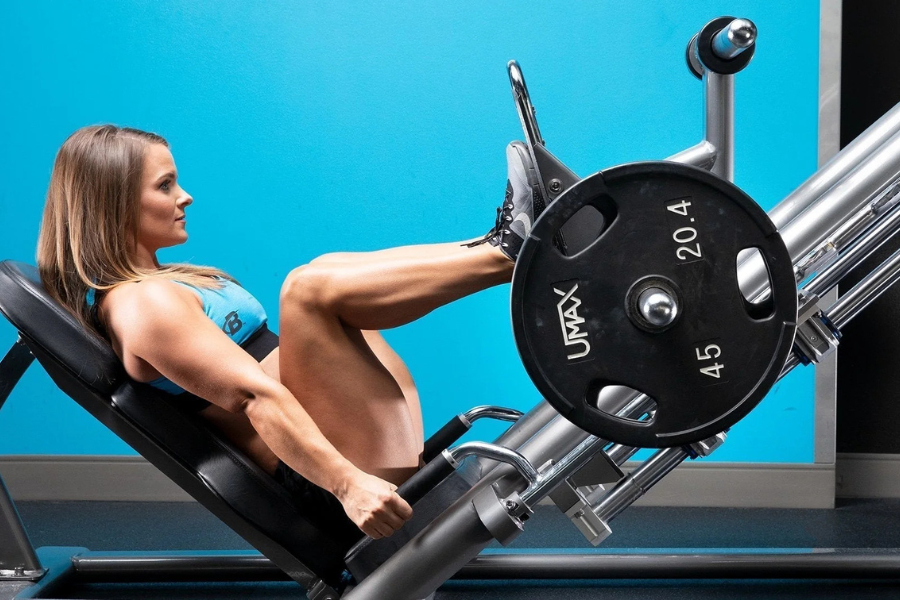
When you want a stable and powerful lower body, focusing on quadriceps strengthening exercises can make all the difference. Your quadriceps, located on the front of your thighs, help you stand, walk, run, and even climb stairs with ease. These muscles also support proper knee alignment, reducing the likelihood of injuries. Whether you’re new to fitness or seeking to take your workouts up a notch, here’s how you can train your quads for optimal strength and stability.
Meet your quadriceps
The quadriceps group consists of four muscles: the rectus femoris, vastus lateralis, vastus medialis, and vastus intermedius. Together, they work to extend your knees and stabilize your hips. You’ll notice their importance any time you straighten your leg or push off the ground to stand or jump.
Strong quads also ensure better posture and reduced stress on your lower back. When your thigh muscles are well-developed, your knees stay in healthy alignment during everyday motions like squatting to pick up a box, standing from a seated position, or climbing stairs.
In your workouts, you’ll often hear trainers talk about compound movements. These exercises engage multiple muscle groups at once, which is efficient for overall strength. Squats, lunges, and step-ups all recruit the quadriceps heavily, but how you perform them matters just as much as the exercises themselves.
Begin with bodyweight exercises
If you’re starting your fitness journey, bodyweight quad exercises can get you familiar with proper form before you move on to heavier loads. Mastering these can help you avoid injuries and develop a solid foundation.
Squats
Squats are the go-to move for targeting your quads. Stand with your feet shoulder-width apart, toes pointed slightly out, and lower your hips as though you’re sitting in a chair. Keep your torso upright, engage your core, and press through your heels to return to standing. You’ll feel your quads working most intensely as you push back up. Begin with three sets of 10 to 12 repetitions.
Lunges
Forward lunges and reverse lunges are both excellent quadriceps strengthening exercises. In a forward lunge, step one foot straight ahead, then bend both knees so your front thigh is almost parallel to the floor. For a reverse lunge, step one foot backward, lowering your back knee slightly toward the floor. Both variations place a heavy emphasis on your front quad. Aim for three sets of 8 to 10 lunges per leg.
Step-ups
Step-ups mimic climbing stairs, so they’re very practical for everyday strength. Find a stable bench or a low platform and place one foot firmly on it. Drive through the heel of that foot to stand up on the platform, then step back down with control. You can alternate legs or complete one side at a time. Start with a moderate height to ensure you maintain proper form.
Add free weights gradually
Once you’ve built confidence and have good technique with bodyweight moves, you can add dumbbells or a barbell to boost intensity. Weighted exercises challenge your legs to adapt and grow stronger over time.
Dumbbell squats
Hold a dumbbell in each hand with arms at your sides or rest them on your shoulders. Perform squats just as you did before, but resist leaning forward. It can be tempting to shift your torso to handle the added weight, yet this shift often transfers load away from your quads and onto your lower back. Keep your feet planted and drive up through your quads to return to standing.
Weighted lunges
Dumbbell or barbell lunges are a solid next step if standard lunges start to feel easy. If you’re holding dumbbells, keep them at your sides in a neutral grip. For a barbell lunge, rest the bar on your upper back (not your neck) and step forward or backward as you would in a bodyweight lunge. Maintain a tight core and slow, controlled movements for each repetition.
Split squats
A split squat resembles a stationary lunge. You’ll position your feet in a staggered stance and lower your body straight down before pushing back up. Holding any form of weight will increase tension on your quads, making them work harder to stabilize your body. Aim for three or four sets at a weight that challenges you but still allows for proper form in each rep.
Refine your exercise technique
Even if you’ve been working out for a while, small tweaks and consistent checks on your form can go a long way toward stronger quads and healthier joints. Mistakes are common when you’re trying to push yourself to the next level, so pay close attention to technique.
- Keep your knees tracking over your toes: Letting your knees cave inward raises the risk of injuries.
- Distribute your weight evenly: Avoid leaning too far forward, which shifts the load away from the quads and onto your back.
- Stay controlled: Quick, jerky moves reduce muscle activation and can strain tendons.
One way to stay consistent with your form is to use a mirror or record your sets on your phone for review. If something looks off, make small adjustments until you find a stable, precise technique that feels comfortable to you.
Build a sustainable routine
Everyone’s fitness goals are different, but for most people, training quadriceps two or three times a week is plenty to see progress. Pair your quad training with exercises targeting the hamstrings, glutes, and calves to maintain balance in your lower body. This prevents muscle imbalances that can lead to joint issues over time.
Your quads recover more efficiently with a mix of rest days and light movement if you’re feeling stiff. Easy walking or gentle stretching on non-lifting days can help your legs stay limber, so you won’t be too sore to continue your routine.
You’ll know you’re progressing when you can do more reps, add heavier weights, or notice improved stability in everyday tasks. Track these small victories in a workout journal to motivate yourself and ensure you’re training effectively.
Enjoy the benefits of strong quads
Quadriceps strengthening exercises aren’t just about muscle size or aesthetics. They also contribute to better knee health, improved balance, and an easier time completing daily tasks like carrying groceries or taking the stairs. Whether you’re training for a specific sport or aiming for an active lifestyle, well-developed quads pay off in the long run.
Be patient with your progress and listen to your body. If you ever feel sharp pain or discomfort, scale back or consult a professional to address potential form issues. With consistent, mindful practice, you’ll build the strong and stable lower body you’ve been looking for.
About the Author