A strong lower body is about more than glutes and quads. Your calves quietly handle a huge amount of work every time you walk, run, jump, or even stand still. When you skip calf strengthening exercises, you miss a key piece of the strength puzzle and increase your risk of nagging injuries.
This guide walks you through why your calves matter, how they support your ankles and posture, and the essential calf strengthening exercises you can start using today at home or in the gym.
Understand your calf muscles
Your calf is not just one muscle. It is a small team working together every time you push off the ground.
The main players are the gastrocnemius and the soleus. The gastrocnemius is the larger, more visible muscle at the top of your calf. It has mostly fast twitch fibers, so it helps with explosive actions like sprinting and jumping. The soleus sits underneath and runs lower into the back of your leg. It is made mostly of slow twitch fibers, which means it works during long walks, standing, and posture support as explained by Sport and Spinal Physiotherapy in Gungahlin, ACT.
Both muscles join into the Achilles tendon above your heel. Together, they point your foot down, stabilize your ankle, help you absorb impact, and support your overall posture with every step.
If either part of this system is weak, other areas like your feet, shins, knees, or hips often pick up the slack, which can lead to overuse and pain.
Why calf strength matters for everyday life
You might think of calf workouts as something only runners and athletes need. In reality, you rely on your calves all day.
Stronger calves help you:
- Walk, climb stairs, and stand for longer without fatigue
- Maintain balance when you change direction or step on uneven ground
- Absorb impact when you land from a small jump or hop off a curb
- Support your ankles so they do not roll in or out as easily
Sport and Spinal Physiotherapy notes that good calf strength helps propel your body forward with each step, absorb impact loads, and support the lower limb and posture. It is important for both injury prevention and rehabilitation of many lower limb conditions.
Neglecting calf strengthening exercises can leave you with weak lower legs that limit your daily activities, reduce balance, and make you more prone to ankle and lower leg injuries. If your goal is simply to move comfortably and confidently, your calves deserve a spot in your routine.
How strong calves protect you from injuries
Calf muscle strain is one of the most common leg injuries in sports that involve sprinting and quick footwork. If you play netball, soccer, basketball, or enjoy interval runs, your calves are under repeated high load.
According to Sport and Spinal Physiotherapy, good calf strength is critical for preventing:
- Calf tears and strains
- Sprained ankles
- Plantar fasciitis
- Medial tibial stress syndrome, often called shin splints
- Patellofemoral pain around the front of the knee
- Tendinopathies of the ankle, foot, and knee
- Stress fractures in the lower leg and foot
Your calves act as shock absorbers for your lower body. When they are strong, they share the load with your feet, shins, and knees instead of letting one area take all the stress. This load sharing is a big reason why calf strengthening exercises are often included in rehab plans and not just in performance programs.
New York Bone and Joint Specialists also highlight that resistance based calf strengthening exercises, such as standing and seated calf raises, build muscle endurance so your calves are more resilient to fatigue and injury.
Warm up and care for your calves
Before you jump into calf strengthening exercises, it helps to think about basic care so your muscles can perform well and recover.
A few simple habits go a long way:
- Stay active throughout the day so your calves do not tighten from long periods of sitting
- Warm up with light movement before workouts to increase blood flow
- Drink enough water so you are less likely to experience cramps and general muscle tightness
A proper warm up for your calves might include a short walk, light marching in place, and a few gentle calf stretches. New York Bone and Joint Specialists note that regular stretching, such as wall calf stretches or foam rolling, keeps your calf muscles supple and helps prevent tightness that can lead to strains.
Also pay attention to footwear. Supportive shoes reduce stress on your calves by providing a stable base, especially during running or high impact sports. Correct form during any lower body strength work is just as important, since poor alignment can shift unnecessary stress into the calves.
Essential calf strengthening exercises
You can train your calves with very little equipment, and the same basic movements can be scaled from beginner to advanced.
Below are key calf strengthening exercises recommended by Sport and Spinal Physiotherapy and other experts, along with ways to make them easier or harder.
Straight knee calf raises
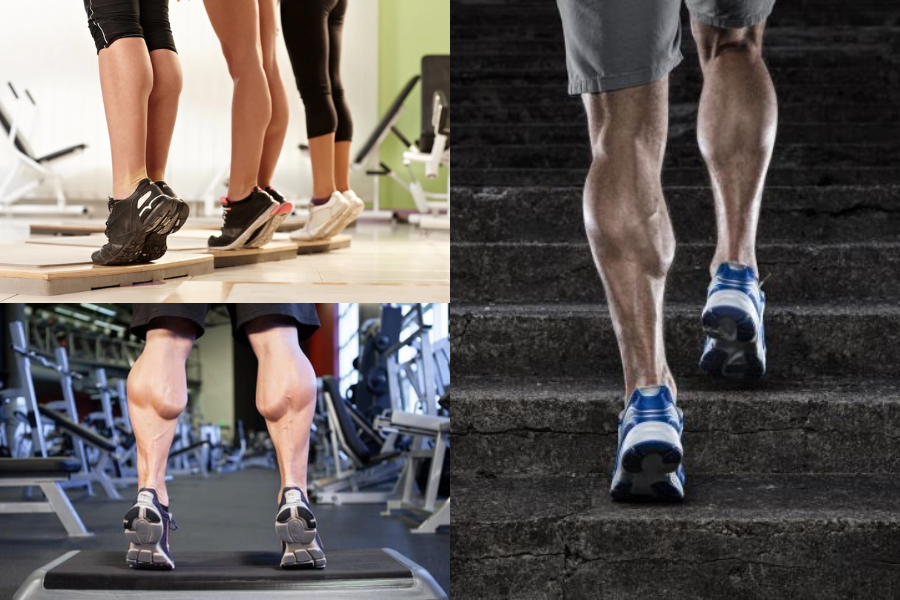
Straight knee calf raises primarily target the gastrocnemius, the upper, more explosive part of your calf.
To do them:
- Stand tall with your feet about hip width apart, near a wall or chair for balance.
- Keep your knees straight but not locked.
- Press through the balls of your feet and lift your heels as high as you comfortably can.
- Pause at the top and squeeze your calves.
- Slowly lower your heels back down with control.
You can start with both legs on the floor, then progress to single leg calf raises where one leg does the work at a time. To make them more challenging, perform the exercise on a step so your heels can drop below the level of your toes, or hold dumbbells for added resistance.
Bent knee and seated calf raises
Bent knee variations shift more load into the soleus, which supports endurance and posture.
For a bent knee calf raise:
- Stand with your knees slightly bent.
- Keep your torso upright and heels on the floor to start.
- Lift your heels while maintaining that knee bend.
- Pause briefly at the top and lower under control.
The seated calf raise is similar but performed sitting:
- Sit on a bench or chair with your feet flat and knees at about 90 degrees.
- Place a weight or heavy object on your thighs above your knees if you have one.
- Lift your heels as high as you can, pause, then slowly lower them back down.
Sport and Spinal Physiotherapy recommend slow, controlled movements with an emphasis on the lowering phase and a strong calf squeeze at the top to maximize strength and muscle growth.
Single leg calf raises
Single leg calf raises are one of the most efficient calf strengthening exercises because all your body weight is focused on one leg.
To perform them:
- Stand on one foot, holding a wall or chair for support if needed.
- Keep your standing leg straight or slightly bent, depending on whether you want to bias the gastrocnemius or soleus.
- Raise your heel slowly, then lower it with control.
You can make this more demanding by:
- Adding dumbbells or a weighted backpack
- Using a step to increase your range of motion
- Reducing balance support over time
These variations build both strength and stability around the ankle joint, which helps with everything from walking on uneven ground to changing direction quickly during sports.
Hopping and functional drills
Once you have a base level of strength, more dynamic movements help your calves handle real world forces like running and jumping.
Sport and Spinal Physiotherapy highlight hopping drills as particularly useful. Hopping combines explosive calf raises with quick ground contact, which closely mimics sprinting and jumping tasks. You can progress hopping by:
- Increasing your jump height
- Reducing the time your feet spend on the ground
- Adding obstacles or lines to hop over
Functional and dynamic exercises such as the One Leg Over the Line and 3 Hurdle Drill also challenge calf strength while improving quickness, lateral movement, and stability. These are especially valuable if you play sports that require cutting, shuffling, and rapid changes in direction.
At home calf exercises without equipment
You do not need machines to train your calves effectively. Stephanie Mansour shares several at home moves that fit easily into a living room workout.
Simple options include:
- Basic calf raises: Stand tall, rise onto your toes, and lower with control
- Single leg calf raises: Perform the same movement on one leg for added challenge
- Isometric calf raises: Lift your heels and hold that position while taking deep breaths
You can also work your calves indirectly through compound lower body moves. Lunges engage the soleus to stabilize your ankles and the gastrocnemius to help stabilize your knees. If you slightly lift the heel of your front foot during a lunge, your calves have to work even harder.
Plié squats, especially with your heels lifted, are another way to blend calf work into leg day. You can alternate heel lifts or raise both heels at once to challenge balance and calf strength.
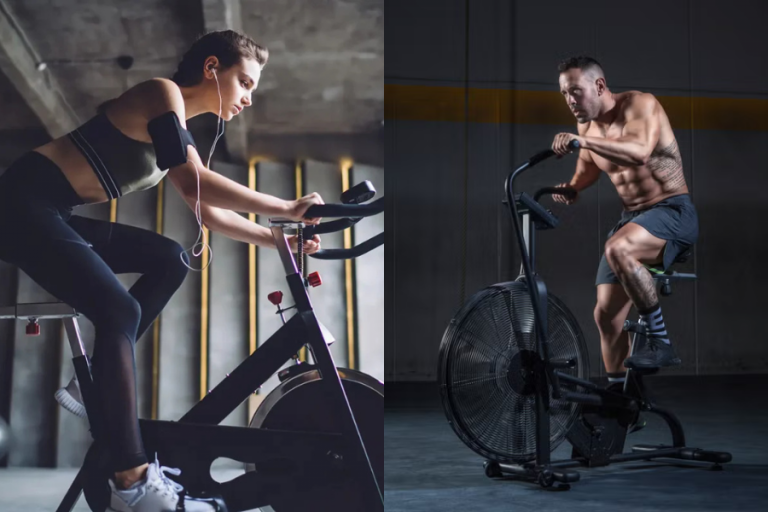
If you prefer cardio, you can increase the incline on a treadmill or choose hilly walking and running routes. Adding resistance to cycling workouts is another practical way to intensify calf engagement and promote strength gains.
Tip: Choose one or two calf focused moves and sprinkle them at the end of your usual leg or cardio sessions so they become part of your regular routine.
Stretching and flexibility for calf health
Calf strengthening exercises work best when you pair them with regular mobility work.
Calf stretches, such as a simple wall calf stretch or a calf and ankle stretch, improve your range of motion and ankle flexibility. This mobility not only helps you build stronger calves but also supports functional movement in squats, lunges, and running.
The 2023 guidance on calf tightness notes that sciatic nerve irritation can also contribute to calf symptoms, including tightness, pain, tingling, or cramping. To address this, it recommends a broader flexibility program that includes stretches for your glutes, piriformis, hamstrings, and lower back, not only the calves themselves. Example stretches are often held for 30 seconds and repeated three times to improve overall function and reduce pain.
Foam rolling the calves can further help release tight spots and keep tissues healthy. Combined with supportive footwear and balanced strength work for your hips and glutes, this creates a more complete lower body care routine.
How to progress safely and avoid overuse
Overuse injuries are one of the most common causes of calf pain and strain. They appear when your calves are asked to work too hard or too often without enough rest and recovery. Instead of getting stronger, the muscle and tendon fibers begin to break down.
To train smart:
- Increase sets, reps, or weight gradually rather than jumping ahead quickly
- Schedule rest days or lighter sessions so your calves can recover
- Mix high impact drills like hopping with lower impact options like seated or bent knee raises
If you have had a previous calf strain or tear, especially in the soleus, proper strengthening is essential. Guidance updated in 2023 notes that only resting, without rebuilding strength, often leads to repetitive calf strains once you return to running or sport. A structured, progressive calf strengthening plan is key to long term recovery.
It is also worth checking for strength imbalances. Weak or inactive glute muscles can force your calves to work harder, contribute to foot over pronation, and increase the risk of lower leg injuries and calf soreness. Addressing hip and glute strength, along with calf work, usually produces better results.
Bringing it all together
Your calves do far more than help you look good in shorts. They drive you forward, cushion every landing, stabilize your ankles, and quietly support your posture all day long.
By adding a mix of straight and bent knee calf raises, single leg variations, and eventually dynamic drills like hopping, you give your lower legs the strength and resilience they need. Pair those exercises with stretching, smart progressions, and supportive shoes, and you reduce your chances of calf strains, shin splints, ankle sprains, and other lower leg issues.
Pick one or two calf strengthening exercises from this guide and add them to your next workout. Once those feel familiar, you can layer in more advanced variations. Your steps, runs, and jumps will feel stronger, and your lower body will thank you every day.
About the Author