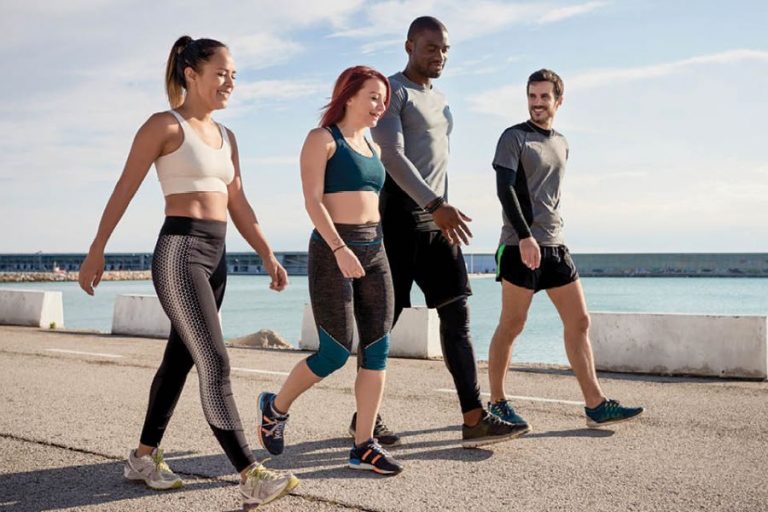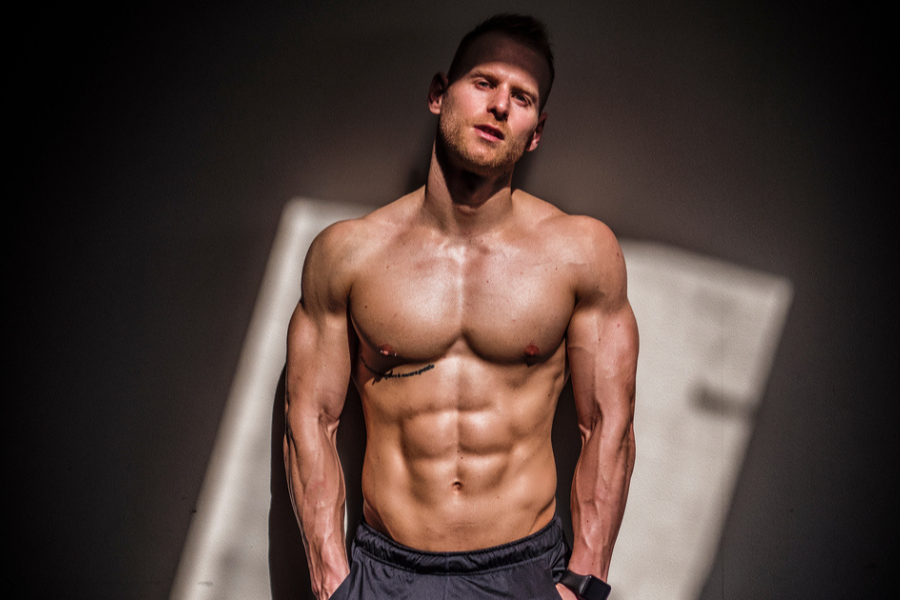
A strong lower ab workout does more than help you feel tighter around your waist. When you train your lower abs and deep core muscles correctly, you improve posture, protect your back, and move more comfortably in everything from walking up stairs to lifting groceries.
Below, you will find practical lower ab workout tips that make a big difference, especially if you have been doing random crunches without seeing results.
Understand what “lower abs” really are
You often hear people talk about “upper” and “lower” abs, but your six pack, the rectus abdominis, is actually one continuous muscle. You cannot fully isolate the lower portion, but you can emphasize those lower fibers by choosing the right movements and technique.
Your core also includes the transverse abdominis, internal and external obliques, and muscles around your pelvis and lower back. When these muscles work together, you get:
- Better balance and stability in daily activities
- Less risk of falls and injuries
- Improved posture and reduced back pain, especially in the lower back
A 2019 study highlighted that a strong core can improve posture, help prevent injuries, and ease back pain, especially in people who sit a lot or have sedentary jobs.
Focus on bottom up movements
To make your lower ab workout actually feel like it hits your lower belly, choose movements that pull your pelvis or legs toward your ribcage. These are often called “bottom up” exercises.
Examples include:
- Leg drops
- Hip lifts
- Reverse crunch variations
- Scissor-style moves, like scissor kicks or Scissor V Ups
In a popular 6 minute lower ab routine, trainer Jeff Cavaliere from ATHLEAN-X uses only bodyweight but focuses heavily on bottom up moves like Figure 8s, Seated Ab Circles, Scissor V Ups, and a “21” Crunch to recruit the lower portion of the rectus abdominis and surrounding core muscles.
When you pick exercises, ask yourself: does this move my hips or legs toward my torso, or am I just lifting my shoulders off the floor? Prioritize the moves that bring the hips or legs in. That is where you will feel more lower ab involvement.
Engage your deep core first
Before you even start a rep, you want your deep core turned on. This is where the transverse abdominis, the “corset” muscle that wraps around your midsection, comes in.
Think of gently pulling your belly button toward your spine or zipping up a snug pair of jeans. You want a light brace, not a full breath hold. Then keep that tension as you move.
This matters because:
- It helps keep the focus on your lower abs instead of letting your hip flexors take over
- It protects your spine by keeping your pelvis stable
- It makes every rep more effective, so you can do fewer sets and still see progress
For example, in a leg drop, you would brace your core first, press your lower back gently toward the floor, then slowly lower your legs. If your back lifts off the ground or you feel strain in your hips, you have lost that deep core engagement.
Choose lower ab exercises that match your level
Not every lower ab workout move is right for every body. Some exercises feel great if you are already strong and mobile, while others are better if your back is sensitive or you are returning to exercise.
Common lower ab focused moves include:
- Ab contractions
- Leg drops
- Hip lifts
- Boat pose
- Mountain climbers
- Rocking plank
- Scissor kicks
- The hundred
- Bicycle crunches
- Flutter kicks
Leg raises, scissor kicks, and mountain climbers in particular are often highlighted as powerful options for lower ab engagement. However, the best choice for you depends on your current mobility, experience, and any pain history.
If you are a beginner, starting with simpler floor exercises like ab contractions, bridges, and supported leg drops can help you build strength without overloading your back or hip flexors.
Prioritize quality of movement over speed
Many lower ab exercises look simple, but they are challenging because your legs are heavy. That added resistance turns leg-based ab moves into a kind of weighted exercise.
To stay safe and make progress, focus on:
- Smooth, controlled movement, especially on the way down
- Smaller ranges of motion if your back starts to arch
- Pausing briefly at the hardest point of the exercise
For instance, mountain climbers for your lower abs should look like a slow, deliberate drive of each knee toward your chest with a solid plank position, not a frantic sprint that makes your hips bounce up and down.
Safety tips from existing lower ab guidelines emphasize smooth control and proper form, and they recommend checking with a doctor before starting a new routine if you have any chronic conditions or previous injuries.
Protect your back and avoid common mistakes
Lower ab workouts sometimes irritate the lower back if you rush progress or use poor form. A few small adjustments make a big difference.
Watch out for these common issues:
- Your lower back arches off the floor during leg drops or flutter kicks
- You feel all the work in your hips instead of your abs
- Your neck strains because you are reaching your chin toward your knees
For better form:
- Keep your lower back gently pressed into the mat for lying exercises, and reduce the leg range of motion if you cannot maintain contact
- Think of curling your hips toward your ribs in moves like hip lifts and hanging knee raises, so your abs, not your hip flexors, drive the motion
- Support your head lightly with your hands if needed, and keep your gaze slightly upward to avoid neck strain
If any exercise causes sharp pain, especially in your back, skip it and choose a more supported alternative, such as bent knee leg drops instead of straight leg raises.
Mix stability and movement based core work
Your lower ab workout will be more effective if you combine exercises that resist movement with those that actively move your legs or hips.
Movement based exercises challenge the lower abs through motion. Stability based exercises train you to keep your torso steady against changing forces.
Good combinations include:
- Mountain climbers with a rocking plank
- Leg drops with the bridge exercise
- Scissor kicks with the hundred
The bridge, where you lie on your back with bent knees and lift your hips until they are roughly in line with your knees and shoulders, is a classic way to strengthen your lower abs and surrounding core muscles. It also recruits your glutes and hamstrings, which help support your lower back.
By pairing these styles, you build both strength and control. That transfers directly to sports, running, and everyday tasks.
Train smart for results, not just fatigue
It is easy to think that more sets or daily ab training will get you results faster. In reality, your abs are muscles like any others. They need time to recover and respond.
Helpful guidelines include:
- Aim for 2 to 4 focused lower ab sessions per week
- Leave at least 1 rest day between intense ab workouts
- Stop your set when your form starts to break down, not when you literally cannot move
Working your abs hard every day does not give them the 2 to 3 days of rest they need to repair and grow. Over time, that can stall progress and increase your risk of pain or injury.
Variety also matters. Adding new angles, tempos, or slightly more resistance over time keeps your muscles challenged. You might start with a 6 minute bodyweight routine and gradually reduce your rest periods or add light ankle weights as your control improves, similar to how progress is tracked in some structured lower ab programs.
Remember you cannot spot reduce belly fat
Lower ab workouts are excellent for strength and core control, but they do not directly burn fat just from your lower stomach. Multiple studies have tested ab only routines and found that they increase muscle strength without significantly reducing belly fat thickness.
Research shows that spot reduction, trying to lose fat from one body part by exercising that area, does not really work. Fat loss tends to occur across your whole body when you are in a consistent calorie deficit through diet and overall movement.
That means:
- Ab exercises strengthen and shape the muscles underneath
- Visible lines or a “six pack” depend mostly on your overall body fat level
- Diet, general resistance training, and cardio have a bigger impact on fat loss than endless crunches
To support fat loss around the midsection, it helps to:
- Maintain a modest calorie deficit with balanced meals
- Reduce highly processed foods and added sugars
- Eat plenty of protein and fiber to support muscle and keep you full
Your lower ab workout makes your core stronger, more stable, and better defined under the skin. Nutrition and full body exercise reveal that definition.
Think of ab training as sculpting clay. The workout shapes the muscle, and your overall lifestyle habits decide how visible that shape becomes.
Avoid overdoing heavy or high volume ab work
If your main goal is a smaller, more streamlined waist, especially if you are a woman, very heavy or extremely high volume ab and oblique training can sometimes work against you.
When you add lots of muscle under existing fat, the midsection can actually look bigger because the muscle pushes outward. Trainers who work with physique and bikini competitors often recommend:
- Avoiding heavy, weighted oblique exercises that thicken the waist
- Using moderate reps, such as 15 to 30 per set, with controlled bodyweight movements
- Training abs a few times per week instead of loading them hard every single workout
Examples from physique coaching show clients losing significant waist circumference more from a combination of smarter, moderate ab training and improved nutrition than from endless heavy core work.
You do want strong abs, but you do not need to crush them with heavy weights for an hour a day to get a leaner appearance.
Put it all together in your routine
When you design your own lower ab workout, keep it short, focused, and consistent. A sample beginner friendly structure could look like this:
- Gentle warm up: 3 to 5 minutes of walking or marching in place
- Activation: 2 sets of 10 to 12 ab contractions and 2 sets of 10 bridges
- Main work, 2 to 3 rounds:
- 10 to 12 bent knee leg drops
- 20 seconds of mountain climbers
- 10 hip lifts
- Cool down: easy stretching for the hips and lower back
As you get stronger, you can extend work intervals, try more advanced moves like scissor kicks or boat pose, or experiment with short 6 minute dedicated lower ab circuits.
Most importantly, listen to your body. If you stay consistent, focus on form, and combine your lower ab workout with overall healthy habits, you will feel stronger around your middle, stand taller, and move with more confidence in everyday life.
About the Author